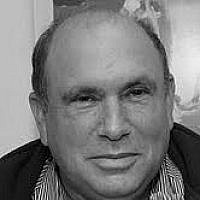
Exclusive: Ariel Horovitz on Archaeology, Identity, and Israel’s Jewish Roots
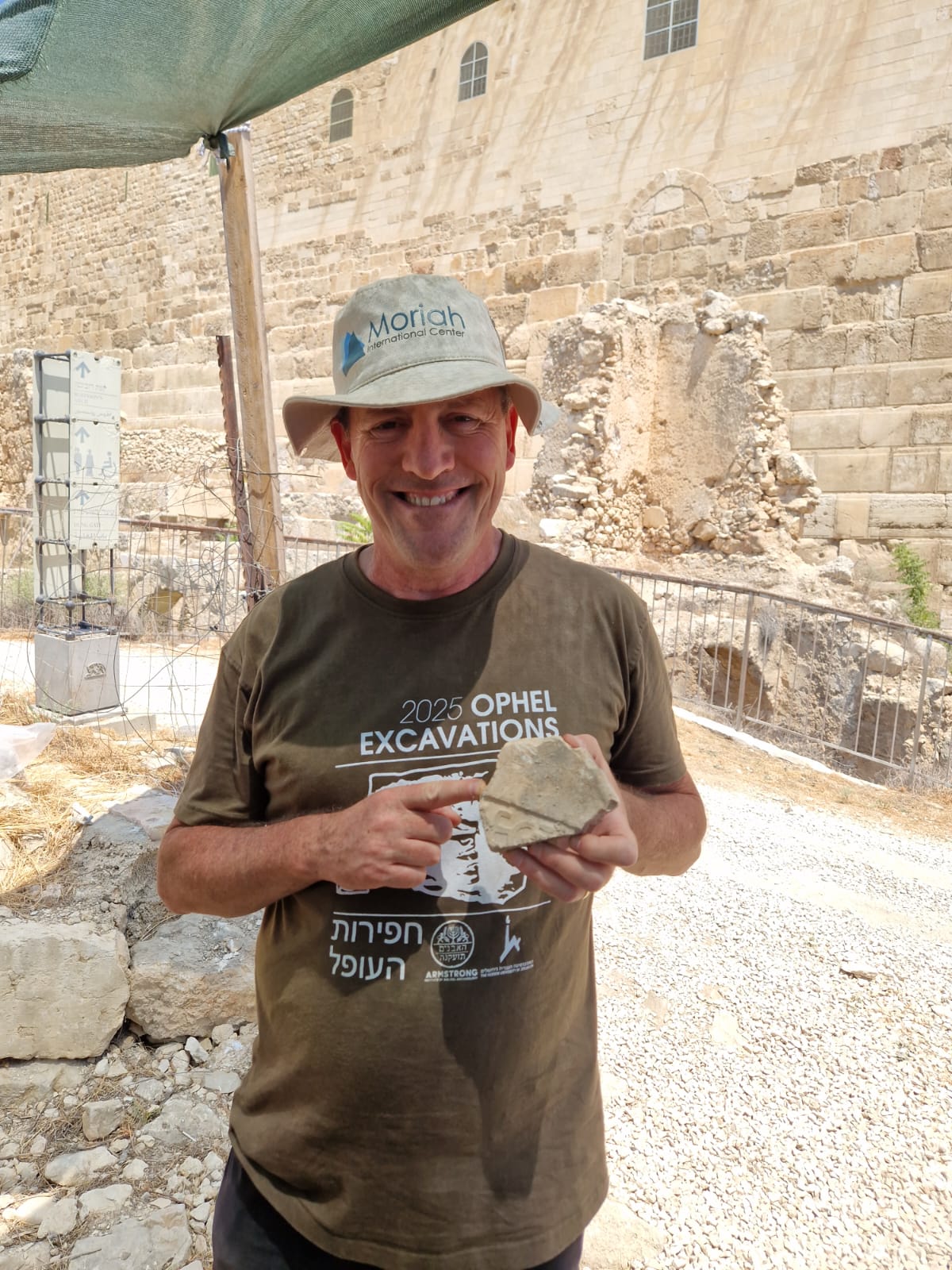
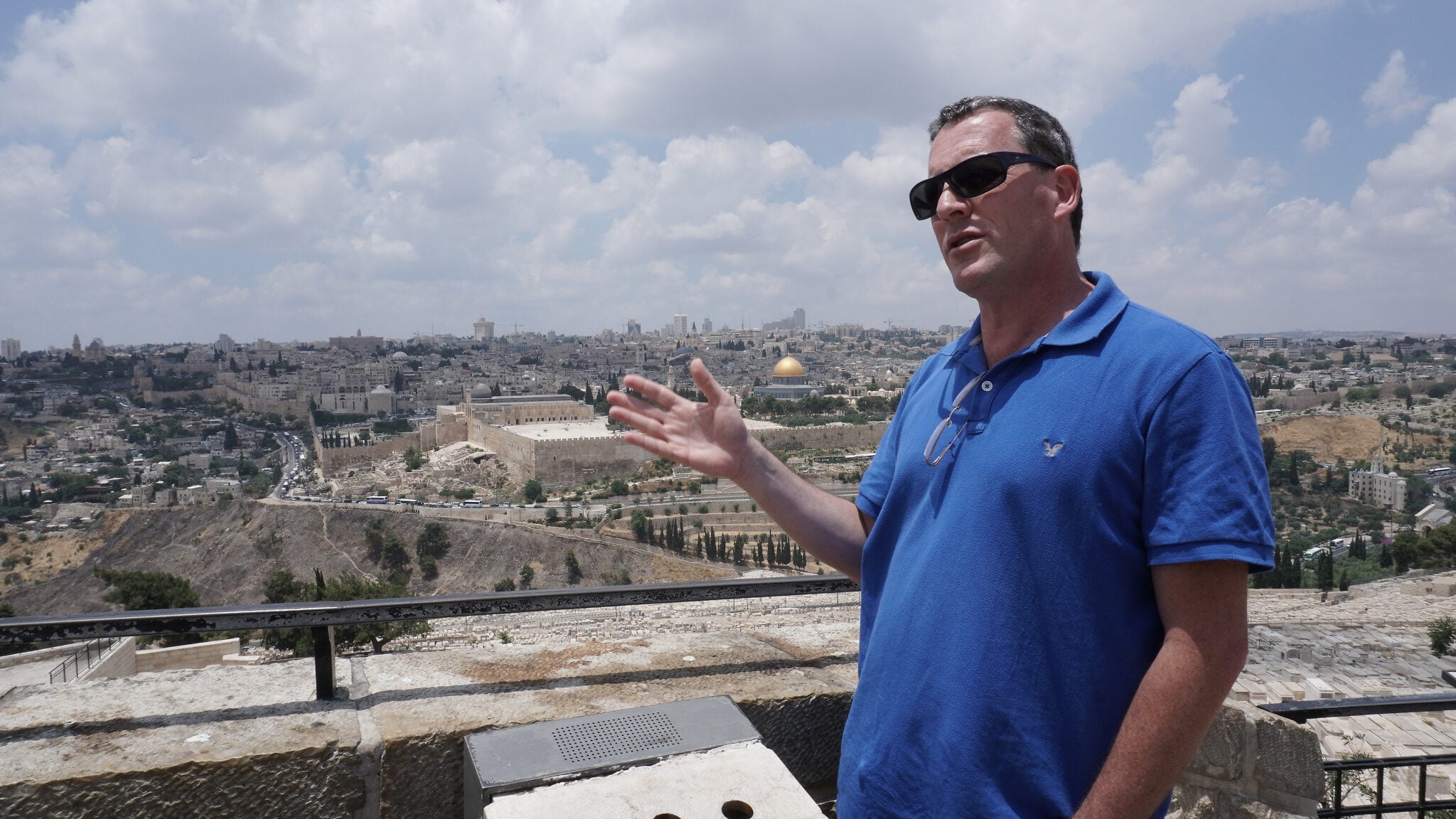
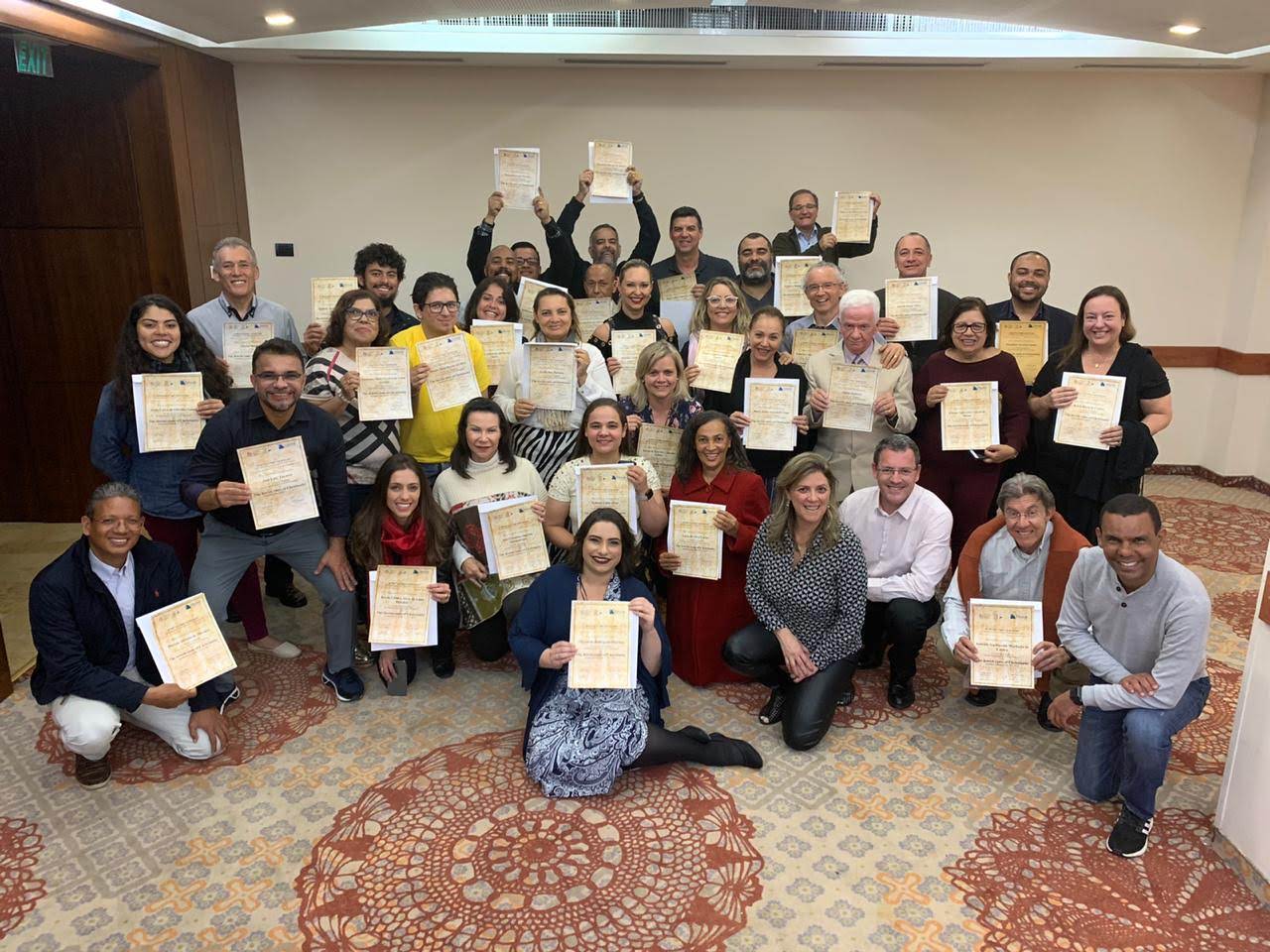
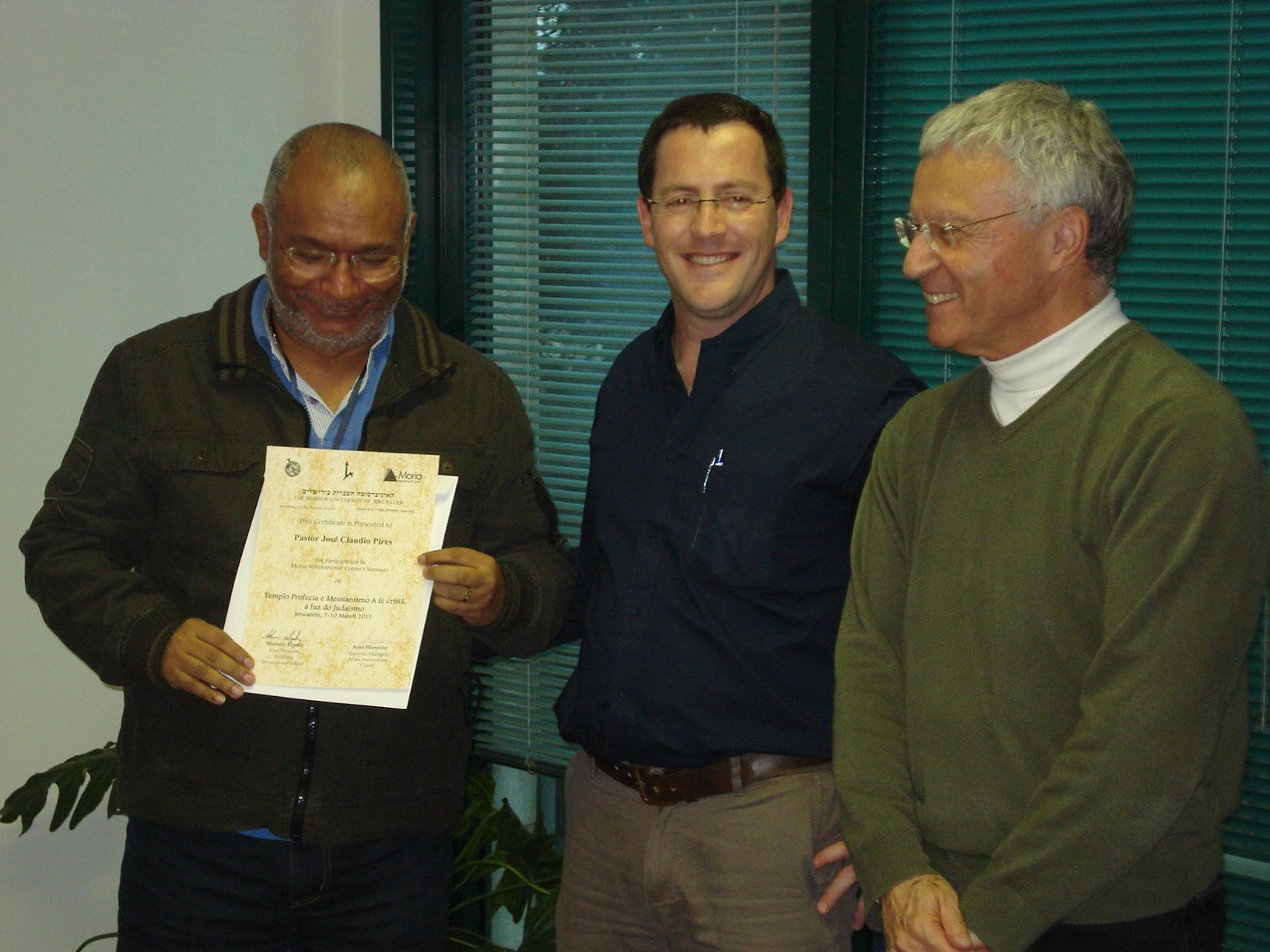
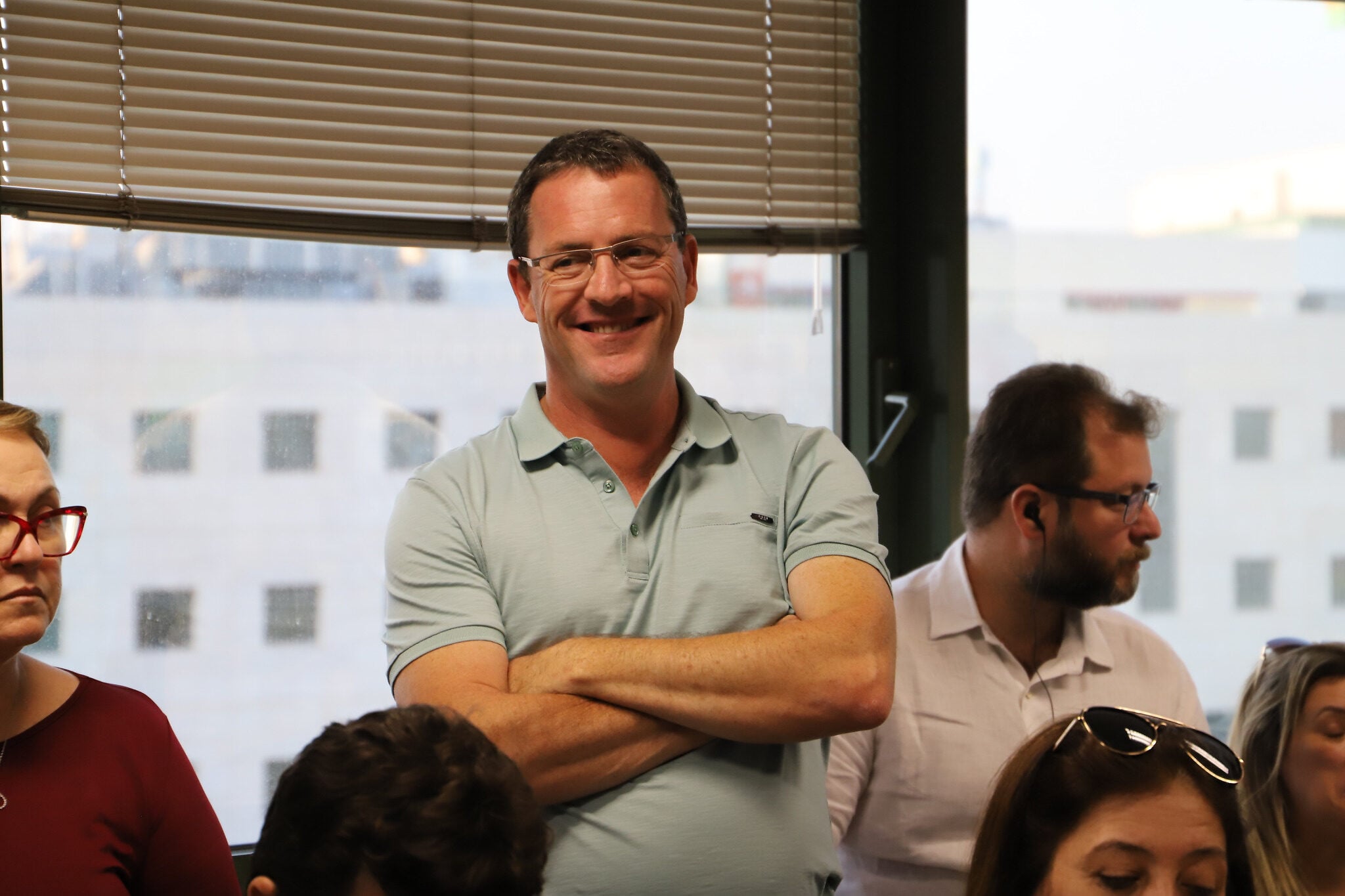
Ariel Horovitz is an Israeli historian and sociologist whose career blends rigorous academic training with cultural education. He holds degrees in Sociology and Jewish History, with a specialization in the History of Israel, and a master’s in Leadership and Management from Bar-Ilan University. Based in Jerusalem, he directs the Moriah International Center, an institution dedicated to connecting the public with archaeological discoveries and biblical history.
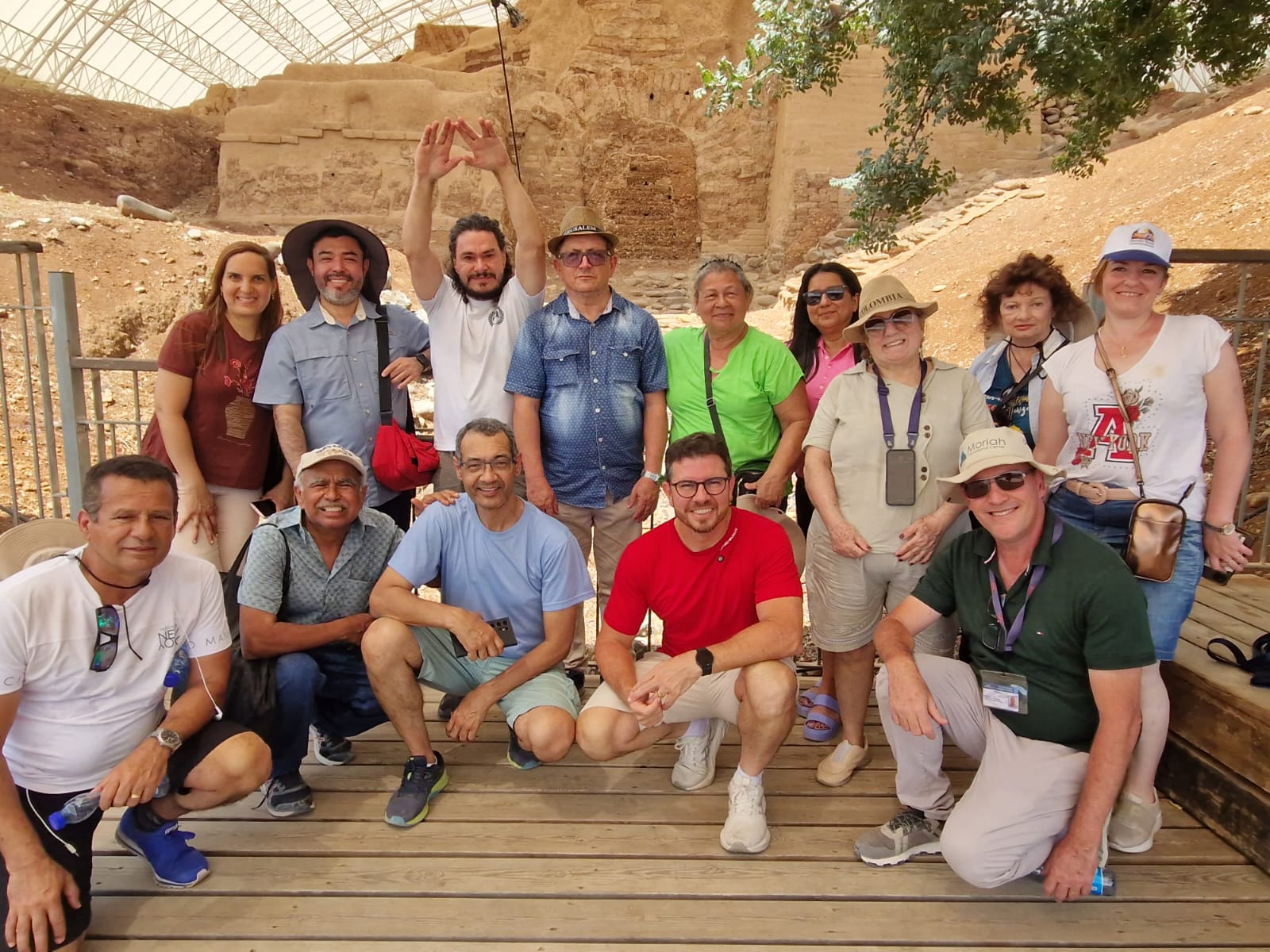
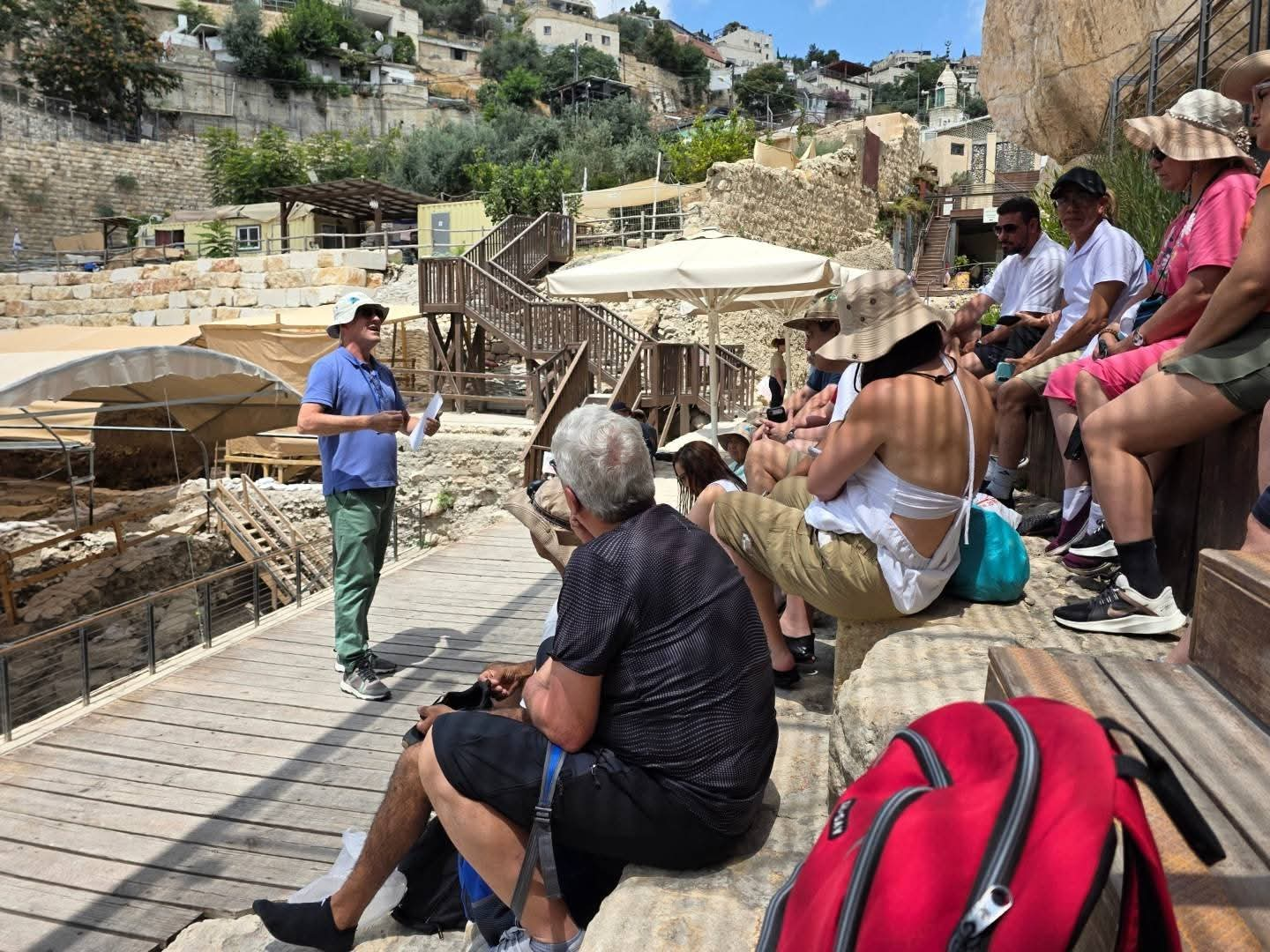
In this role, Horovitz works as both educator and cultural guide, organizing programs that unite archaeology, spirituality, and hands-on experience. He is known for transforming academic findings—such as ancient inscriptions, coins, ceramics, and the Dead Sea Scrolls—into accessible narratives that link biblical texts to the everyday lives of ancient societies.
1. Identity and Career Path
Who is Ariel Horovitz?
I am a historian, sociologist, educator, and founder of the Moriah International Center in Jerusalem, an institute devoted to teaching the Bible from a historical and cultural perspective. My work focuses on bringing people closer to the history of Israel and the context in which biblical texts were written, through courses, study tours, and engagement with archaeological research.
This journey began long before my academic training. Since childhood, I have been passionate about the Bible and archaeology. At age 12, I read And the Bible Was Right, a book that sparked a curiosity that has stayed with me: discovering the places and people behind biblical narratives. In many ways, Moriah was born from that early desire to share with others a discovery that began for me at that age.
2. Life Choices and Vocation
Why did you choose archaeology as a professional path?
My academic background is in the history of the people of Israel, sociology, and anthropology, but archaeology has always been central to my journey. What drew me in was its ability to connect grand narratives with the concrete lives of ordinary people.
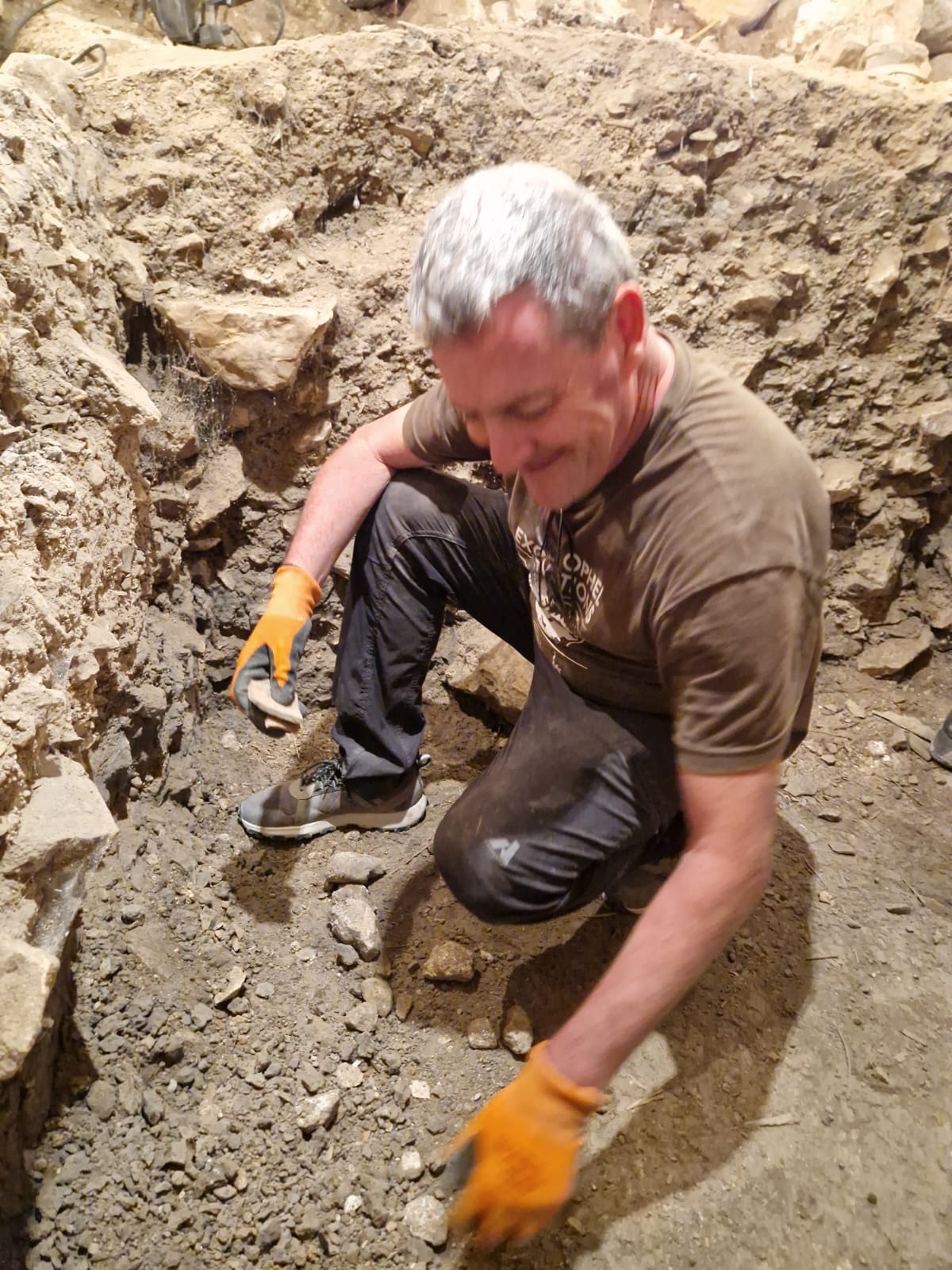
When we read about ancient Jerusalem, we imagine kings, priests, and decisive events. But when we encounter a house, a coin, a ceramic vessel, or a water system, we begin to ask different questions: How did people live? What did they eat? How did they work? What were their concerns? These traces remind us that two or three thousand years ago, this land was inhabited by human beings who loved, suffered, fought, and made choices.
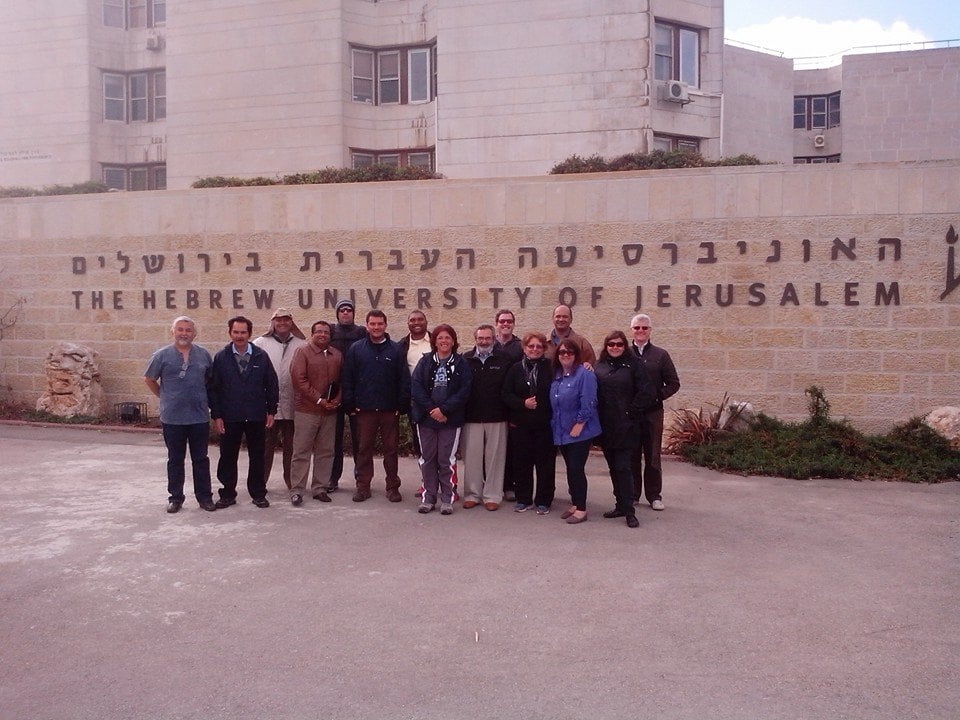
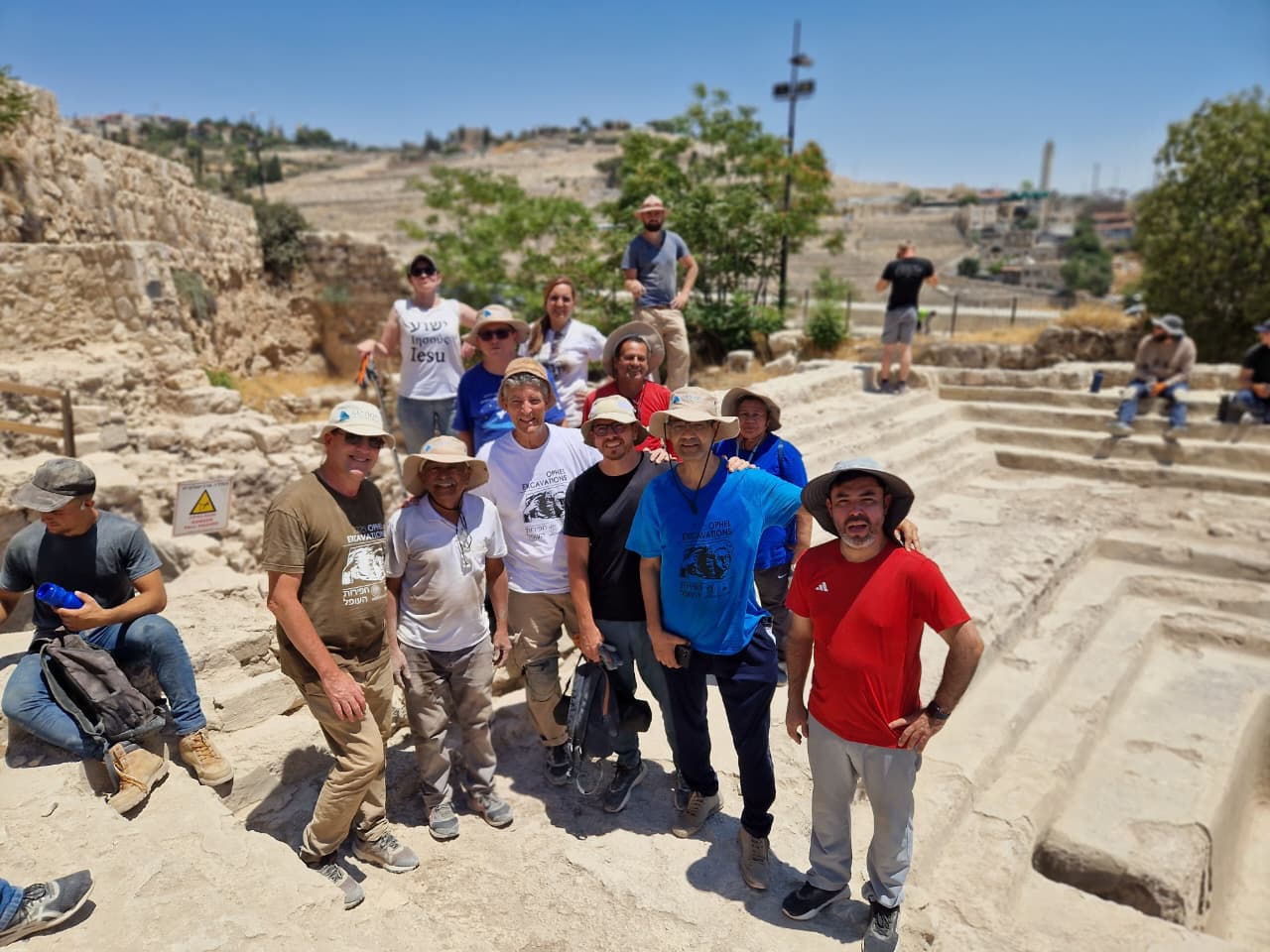
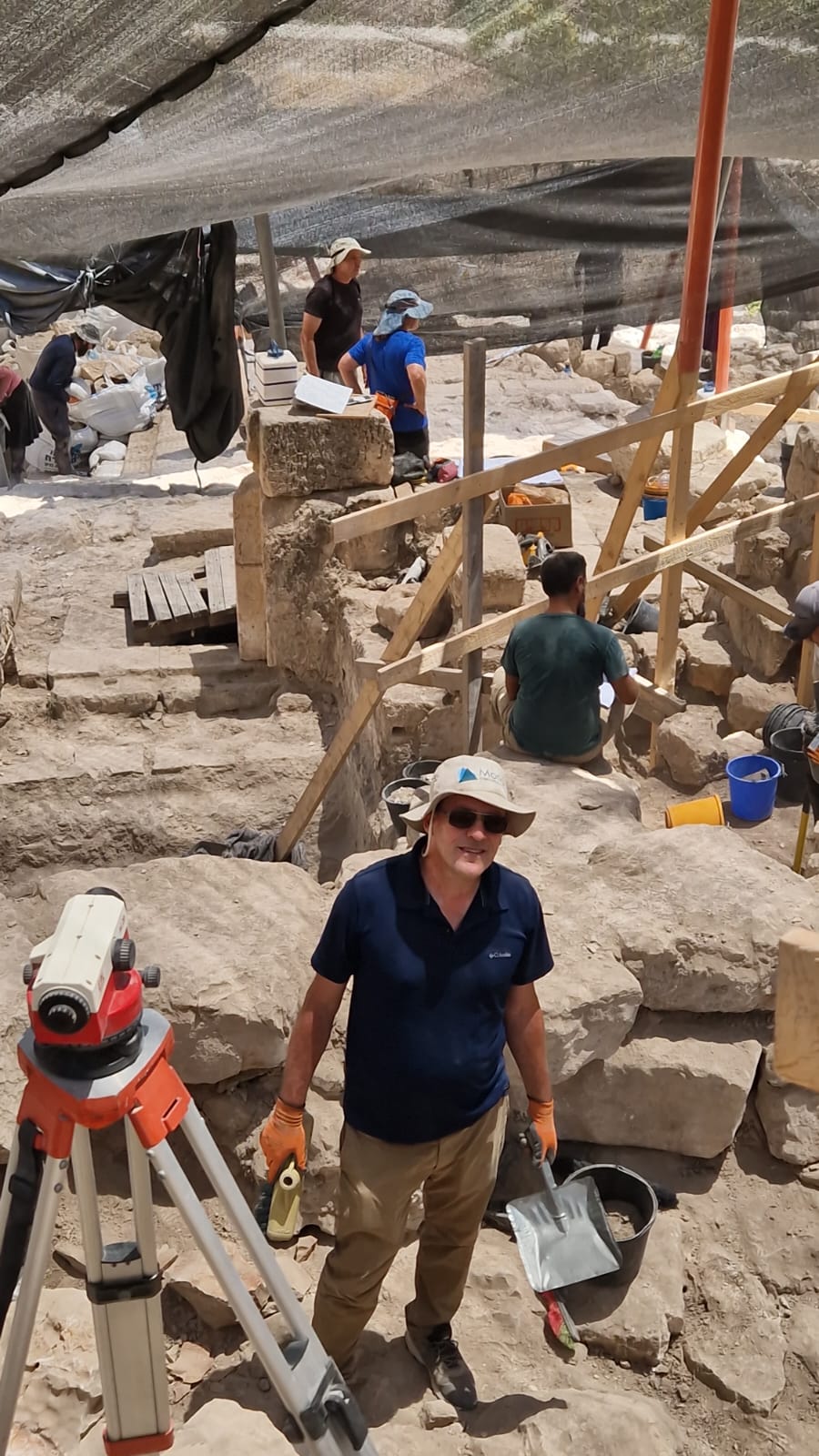
It was this meeting point between the Bible, history, and material remains that defined my path. I studied Jewish history and began working alongside archaeologists and research institutions such as the Hebrew University of Jerusalem and the Israel Antiquities Authority. At Moriah, I strive to make this knowledge accessible without losing rigor: showing what a discovery truly allows us to say, which questions remain open, and how all of this expands our understanding of the biblical world.
3. Transformative Discoveries
Has any archaeological find profoundly shaped your life and worldview?
There are four discoveries that particularly marked me. The Merneptah Stele, for instance, mentions the name “Israel” in an Egyptian inscription from the 13th century BCE. The Mesha Stele recounts, in the voice of a Moabite king, conflicts also described in the Bible—it’s like reading a “Moabite newspaper” of the time. The Tel Dan Stele refers to the “House of David” and sheds light on a crime reported in the Book of Kings. What impresses me most about these inscriptions is seeing Israel’s history recorded by neighboring peoples observing it from the outside.
The Dead Sea Scrolls affect me in a different way. When I look at them, I think of the people who copied, studied, and interpreted those texts two thousand years ago. They bring us closer to the intellectual and religious life of the period when Judaism—and later Christianity—took shape.
These discoveries did not end my questions about the Bible. They did something more interesting: they sparked new questions and helped me see, behind the texts, a real world of peoples, conflicts, beliefs, and individuals who left their mark on history.
4. Israel as a Historical Land
What is it like to work as a historian and archaeologist in Israel, a land marked by disputes and the convergence of Jews, Christians, and Muslims?
Working in Israel means dealing with a past that remains very present in people’s lives. In Jerusalem especially, a single site can evoke belonging, faith, and memory for different communities. This makes the work fascinating but also demands great responsibility: what we say about history can resonate in present-day relationships.
My own connection to this land is profound, and I try to balance that sense of belonging with a commitment to examining evidence seriously. That includes recognizing the different layers of history and understanding their meaning for Jews, Christians, and Muslims alike.
In practice, this work requires listening. I welcome people who arrive with very different expectations and convictions, and I enjoy observing how contact with reality broadens their perspective. There is something deeply meaningful in witnessing someone discover that a place central to their identity is also central to another community’s life. That encounter gives historical education a uniquely human dimension.
5. Historical Evidence and Diplomacy
What, in your view, are the main archaeological and historical proofs confirming the Jewish people’s connection to Israel and Jerusalem before 1948?
The Jewish people’s connection to Israel and Jerusalem is documented across millennia. The discoveries I mentioned earlier are part of this body of evidence, but there are also Hebrew inscriptions, seals bearing officials’ names, coins, and remains from the ancient kingdoms of Israel and Judah.
In Jerusalem specifically, this connection becomes very tangible in remains from the Second Temple period: structures from the Temple complex, ritual baths, inscriptions, and objects tied to Jewish life. Beyond the city, ancient synagogues with mosaics and inscriptions testify to Jewish communities across different regions.
We also have documents that trace this history in later centuries—for example, the many Byzantine-era synagogues found in Galilee and the Golan, or records from the Mamluk and Ottoman periods. Despite wars, expulsions, and shifts in rule, Jewish presence never disappeared; in fact, it grew. At certain times, it was significant—for instance, in Jerusalem and Safed after the expulsion of Jews from the Iberian Peninsula. Meanwhile, diaspora communities kept Jerusalem at the center of their prayers, calendar, and collective memory.
Thus, 1948 represents the creation of the modern State of Israel within a much longer, millennia-old history. To understand this connection, we must consider both the material presence of the Jewish people in this land and the continuity of their relationship with it across generations.
6. Culture, Religion, and Education
Christianity developed cultural perceptions of Jews and Israel that differ from biblical tradition and contemporary Jewish culture. As an educator, how can this cultural gap be bridged?
I would begin with something fundamental: the Gospels are deeply rooted in the Jewish world. Jesus was Jewish, his disciples were Jewish, and his message emerged among people who knew the Scriptures, celebrated Jewish festivals, and participated in the religious life of their people. For this reason, I believe every Christian should know this context to better and more deeply understand Jesus’ message.
This makes a difference in very concrete questions: What was being debated about the Sabbath? How should we understand Jesus’ relationship with the Pharisees? What was the meaning of Passover and Sukkot? What purpose did ritual baths serve? What roles did the Temple in Jerusalem and synagogues play in daily life? When we know this world, many of Jesus’ words and actions gain richer meaning.
The same applies to the parables. Jesus spoke of seeds, vineyards, debts, workers, and family relations—situations familiar to his listeners. Understanding the customs, social conditions, and biblical references in these stories helps us see why they surprised, challenged, and led people to rethink their attitudes.
This is the knowledge we aim to provide at Moriah. Bringing Christian audiences closer to the Jewish world of the Gospels allows for a more attentive reading, one that recognizes references and questions the first listeners of Jesus understood but that modern readers may overlook.
7. Antisemitism and Historical Memory
Great Jewish figures revolutionized science, medicine, art, and technology. How do you view the expansion of antisemitism today, and how did you process the events of October 7?
Antisemitism deeply concerns me, especially when Jews are collectively blamed for political events or must justify their identity to be accepted. We can and should debate the decisions of any government, including Israel’s. But turning that debate into hostility against Jews, threatening communities, or downplaying violence against them goes far beyond politics.
Jewish contributions to science, medicine, art, and technology are extraordinary. Yet the right of a Jew to live in safety and dignity does not depend on their contribution to humanity. That right belongs to every person.
October 7 was, for me, a profound shock. The murder of civilians and the kidnapping of people by Hamas struck something very intimate: the sense of security within one’s own home. As a Jew and as someone living in Israel, it is impossible to see that day merely as an event to be analyzed. There is a human pain that precedes any explanation.
I am still trying to understand everything that day triggered. In my work, it reinforced the responsibility to confront disinformation and dehumanization. Education must help people recognize that behind every headline are lives and families. Acknowledging this humanity must continue to guide our perspective, especially in moments when fear and pain make it harder to do so.
8. Brazil and Biblical Archaeology
Is Brazil fertile ground for deepening biblical, historical, and archaeological study? What is your perception of the country in this context?
Without a doubt. In Brazil, I encounter an audience with a strong connection to the Bible and a great eagerness to learn. This is evident in the questions we receive, the participation in courses and conferences, and the enthusiasm of people when they visit places they have studied for so many years.
What strikes me most is the desire for depth. Many want to understand how a discovery was interpreted, what it adds to the reading of a text, and which questions remain under debate. I see this as an important opportunity to expand access to academic research in Portuguese.
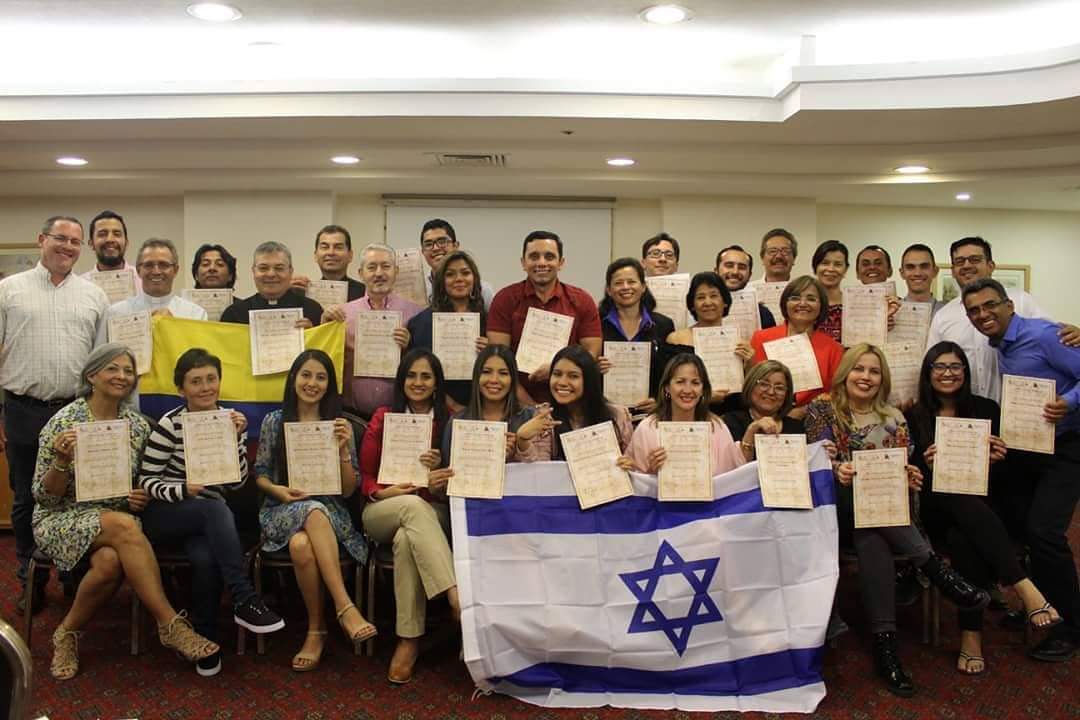
Our experience at Moriah also shows the value of bringing together researchers, educational institutions, religious leaders, and the general public. Each arrives with different questions, and this exchange can create a very rich learning environment. I believe Brazil has the potential to develop an increasingly significant role in this field, producing its own knowledge and engaging in dialogue with international research.
9. Final Reflection
What message would you like to leave directly to the readers of The Times of Israel?
I would like to extend an invitation to deepen our knowledge of Jewish and Christian roots. In times like these, when so many questions of identity, belonging, and values are being debated, knowing this heritage helps us understand who we are and what we wish to pass on to future generations.
For Jews, this means knowing our history, our texts, and the relationship built over centuries with the land of Israel. For Christians, it also means recovering the Jewish world in which Jesus lived and taught. This learning allows us to recognize both the bonds that unite us and the particularities of each community.
I believe identity matures when it is studied, understood, and lived with awareness. The more we know our roots, the better equipped we are to engage in respectful dialogue and face present challenges with discernment. This commitment to knowledge and to transmitting our heritage is what I strive to cultivate through Moriah.