


Quitting the UN Climate Convention threatens Israel’s national security
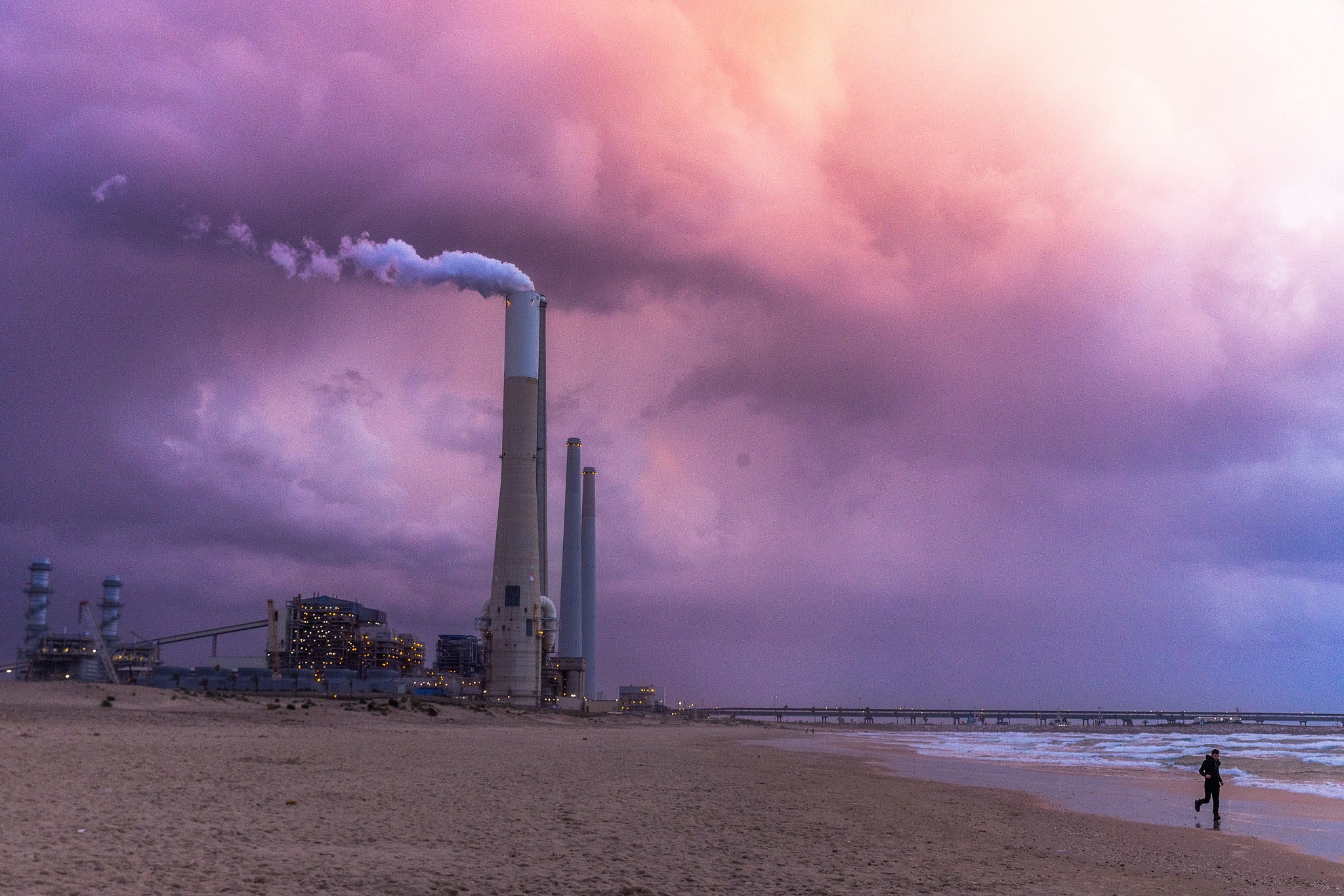
In recent days, discussions have begun within Israel’s Ministry of Foreign Affairs on a possible withdrawal from the UN Climate Convention, including the 2015 Paris agreement that the US left when President Donald Trump came into office.
Minister of Environmental Protection Idit Silman has also instructed her professional team to examine the matter. While some present this as a political or diplomatic step, such a move would have immediate and far-reaching consequences for Israel’s national security, economy, public health, and global standing.
Renewable energy is often framed as an environmental issue. In reality, it is a strategic asset. For Israel, renewable energy is the foundation of energy security, economic resilience, and continuity of essential services in times of crisis. It is true that Israel’s early investments in renewable energy were driven by participation in the climate convention. But today it is clear that what is good for the climate is first and foremost good for Israel itself.
The climate convention provides the international framework that defines norms, standards, and rules in energy, industry, finance, and development. Participation in this framework gives Israel access to markets, partnerships, investment, and influence that far outweigh the obligations involved. As a small, open economy that depends on exports, innovation, and international cooperation, Israel cannot afford to position itself outside this global system.
The most immediate danger of withdrawal is internal. Once Israel exits the convention, the signal to the domestic economy will be clear. There is no longer a binding national commitment — not to long-term targets, not to regulatory certainty, and not to sustained investment. This erosion of commitment would be felt across the entire energy and technology ecosystem.
In practical terms, Israel would no longer be anchored to renewable energy targets that underpin a multi-billion-dollar market. This market includes electricity generation, energy storage, smart grid management, distributed energy solutions, and advanced software for system optimization. These are precisely the areas in which Israel has developed a strong comparative advantage.
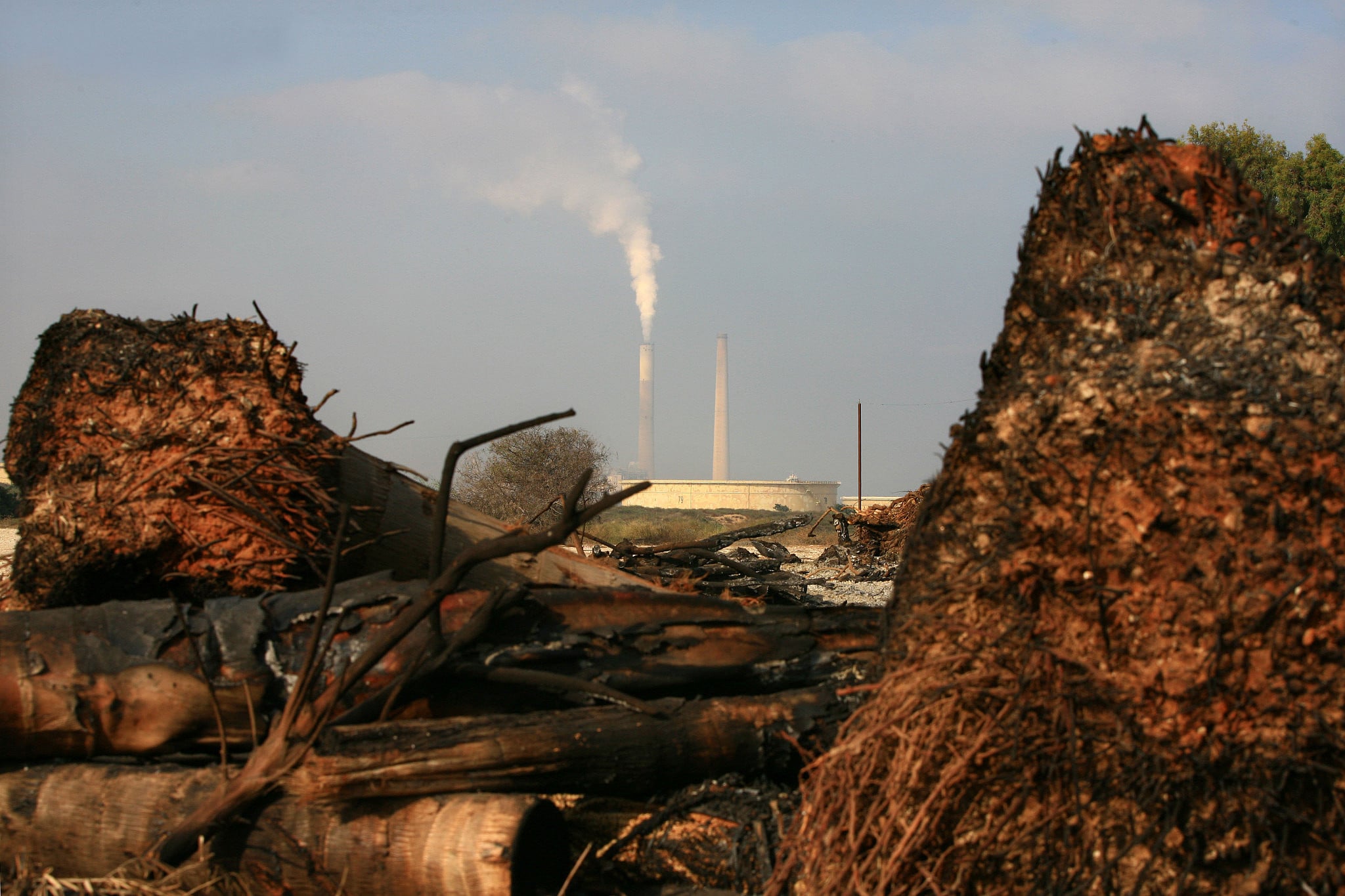
Withdrawal would also weaken efforts to phase out coal-fired power plants, a major source of air pollution. Around 5,000 people die in Israel every year from exposure to air pollution. Reducing greenhouse gas emissions aligns directly with reducing local air pollution, and coal plants are a clear example of this overlap. This is not a theoretical debate but a public health issue with life-and-death consequences.
The same applies to transportation. Road transport is the single largest source of air pollution in Israel’s urban centers, where most Israelis live and where children are exposed at the level of exhaust pipes. Without a firm commitment to electric mobility, meaningful urban renewal and improved quality of life in cities become unattainable.
Withdrawal would also undermine progress on energy efficiency, cooling technologies, waste reduction, and methane mitigation. These measures are not marginal. They reduce household energy costs, protect scarce land, and prevent further damage to air, soil, and water in a country with very limited natural resources.
Green and net-zero construction would also become optional rather than expected. Instead of healthier buildings with lower operating costs, Israel would be left with outdated structures that are expensive to run and harmful to health. Given that people spend about 90 percent of their time indoors, the implications are significant.
From a business perspective, the uncertainty created by withdrawal would be severe. Why should investors continue to fund renewable energy, storage, electric vehicle infrastructure, or smart energy management if national policy no longer provides a stable framework? How will Israel meet the rapidly growing electricity demand from data centers, artificial intelligence, and cloud services without a modern, resilient, and distributed energy system?
This leads directly to another critical issue: digital sovereignty. In an era dominated by artificial intelligence, data centers, and digital infrastructure, electricity is not merely an energy input. It is a sovereign infrastructure. Countries that cannot guarantee stable, reliable, and distributed power supply risk losing control over strategic assets, essential services, and operational continuity in both routine conditions and emergencies. Renewable energy, combined with storage, smart management, and microgrids, is a prerequisite for digital sovereignty.
Israel’s international standing must also be considered. Israel is not the United States, and it cannot absorb unilateral moves that major powers can withstand. Continued participation in global frameworks is essential to maintaining Israel’s position as an innovative, reliable, and competitive economy integrated into global business and technology networks.
Israel has already experienced how close it came to large-scale power outages, and this risk has not disappeared. Preparing for future wars, cyber threats, and climate-related disruptions requires decentralization of the energy system. Such decentralization is impossible without renewable energy and the advanced technologies that accompany it. This is national security in its deepest and most practical sense.
Israel’s progress in these areas did not happen by chance. It was built over years of active participation in the climate convention. Through international dialogue, shared learning, and gradual policy change, Israel translated global experience into local markets for renewable energy, green construction, and smart transportation.
Israel must not withdraw from the climate convention.
Not in the name of economic growth.
Not in the name of security.
And not at the expense of the next generation.