

Faith Meets Facts: The Christian Media Summit’s Mission in a Misled World
By Junaid Qaiser
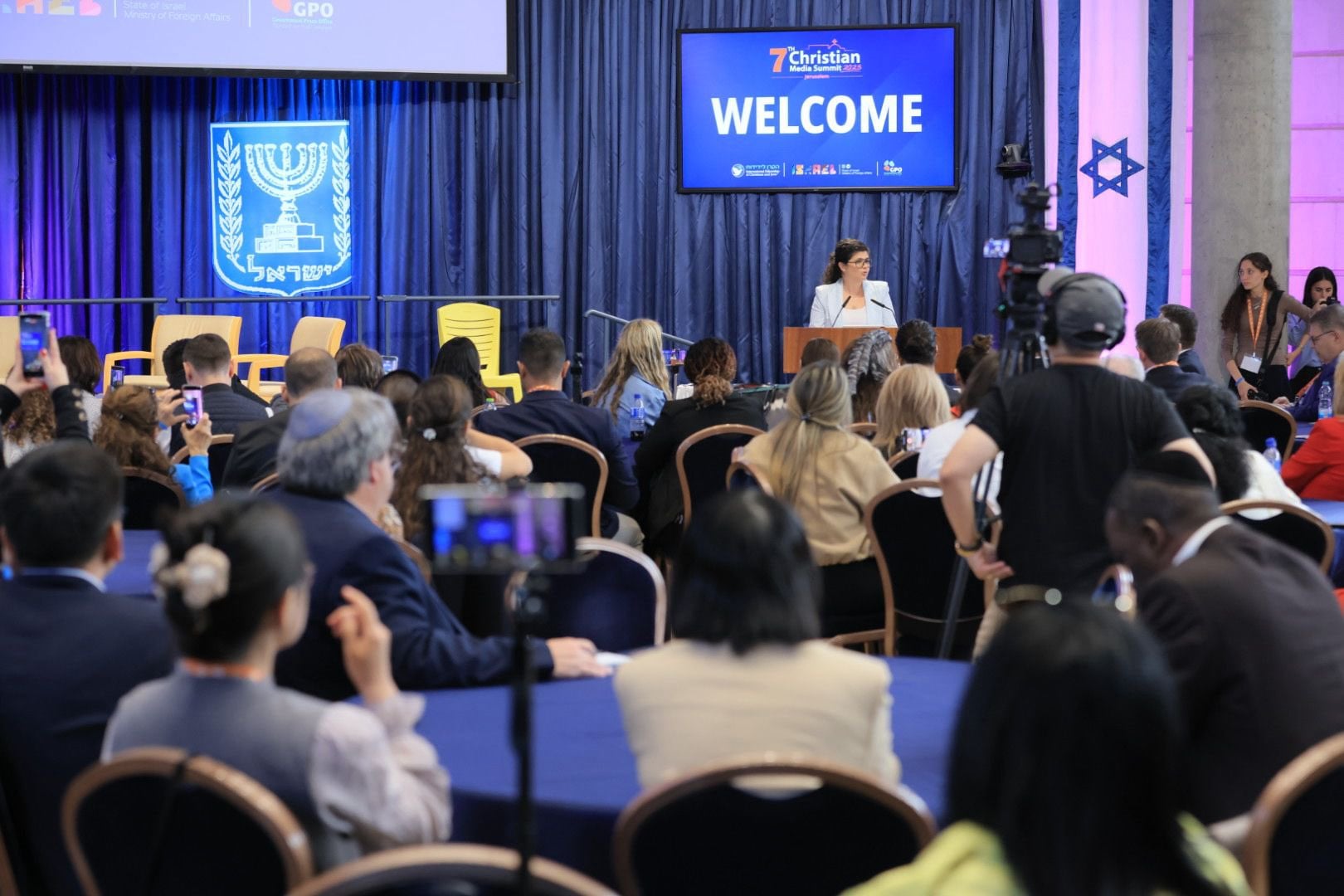
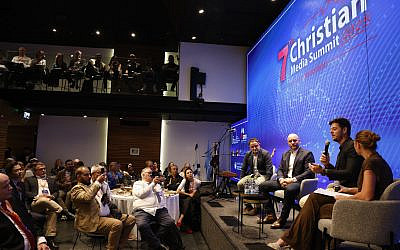
In an age when misinformation travels faster than facts, the struggle for truth has become one of the defining challenges of our time. Nowhere is this more visible than in the narratives surrounding Israel — a country that, for better or worse, remains at the center of global attention. Against this backdrop, the Seventh Christian Media Summit, held in Jerusalem earlier this month, took on renewed significance as faith-based journalists and influencers from across the world sought to reaffirm a commitment to truth in reporting.
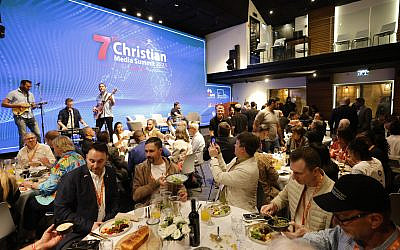
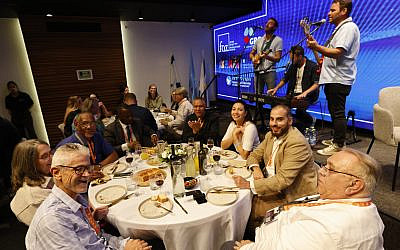
Organized by Israel’s Government Press Office in partnership with the Foreign Ministry and the International Fellowship of Christians and Jews (IFCJ), the summit brought together more than 150 Christian media professionals from over 40 countries. According to various media reports, the summit aimed to equip Christian journalists with firsthand knowledge of Israel’s situation, strengthen interfaith solidarity, and counter the rise of antisemitism and disinformation that has intensified in recent years.
While the summit’s message was spiritual at its core, its implications extended to the broader global conversation about information, morality, and faith. Participants reportedly toured areas in the Western Negev, Judea and Samaria, and key religious sites in Jerusalem — opportunities designed to show them the realities behind headlines that often polarize international opinion.
At a time when antisemitic rhetoric and selective narratives dominate online discourse, the summit served as a reminder that moral clarity and journalistic integrity can coexist. Reports from the event highlighted recurring themes: the responsibility of faith-based media to speak truthfully, the need to resist propaganda, and the importance of upholding Judeo-Christian values as a shared moral framework.
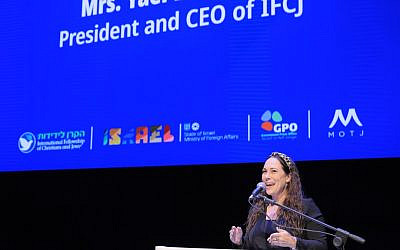
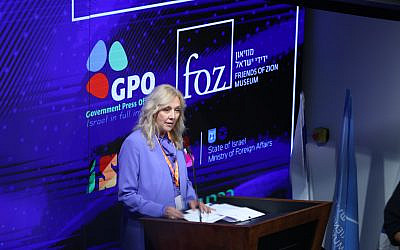
A particularly resonant moment came from Yael Eckstein, President and CEO of the IFCJ, whose speech — widely covered in Israeli and international media — struck both a personal and spiritual chord. Speaking of her daughter’s recent enlistment in the Israel Defense Forces, Eckstein described the experience as a defining “Hineni moment” — a reference to the Hebrew phrase meaning “Here I am.” She urged attendees to embrace their own such moments, choosing truth over comfort and faith over fear.
“There are moments that change history,” she said. “This is one of them. God called you from across the world to stand with Israel — not in comfort, but in courage.”
Her words captured the central purpose of the summit: to empower Christian journalists to stand firm in their moral convictions at a time when telling the truth about Israel often carries social and professional risks.
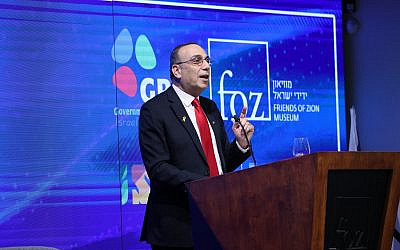
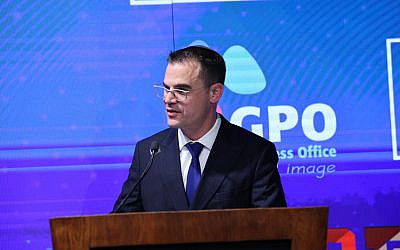
Other speakers, including Minister for Diaspora Affairs Amichai Chikli, underscored the importance of maintaining strong ties with Christian communities worldwide. Chikli was quoted as saying that Israel’s battle against extremism is global in nature, and that faith-based partnerships play a vital role in defending shared values.
Similarly, Deputy Foreign Minister Sharren Haskel emphasized the role of international Christian media in Israel’s public diplomacy efforts. In remarks shared on her social media, she described the journalists who attended as “bearers of truth” and “partners in the fight for justice, freedom, and faith in the righteousness of our path.”
She said: “when truth is under attack, telling Israel’s story matters more than ever. In a world where media shapes hearts and minds, the International Christian Media Conference in Jerusalem is more than just another event – it’s a vital opportunity for truth to be heard. Hundreds of Christian journalists from over 40 countries came to see Israel with their own eyes and share its story with the world. Thank you for telling the truth about my country and standing with us. “
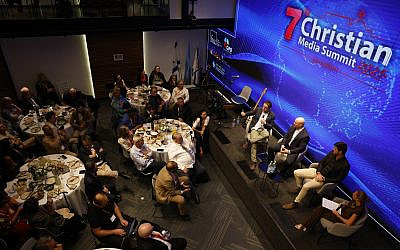
Through discussions, awards, and on-site engagements, the summit highlighted a growing movement within global Christian media to reclaim objectivity through firsthand engagement rather than distant observation. As several participants noted, the goal was not to echo Israel’s official positions but to see, listen, and report with honesty — a principle that remains the foundation of both good journalism and moral witness.
The 2025 summit also drew attention to the ongoing partnership between Israel and faith-based media institutions worldwide. The Pillars of Jerusalem Award recognized leading voices who have used their platforms to counter antisemitism and defend truth in the face of digital manipulation. These acknowledgments serve as a reminder that combating misinformation is not just a professional duty — it is, for many, a calling rooted in faith.


In the end, the Christian Media Summit’s message — as reflected in multiple reports — was not about defending one side or silencing another. It was about reclaiming the moral and factual center in an increasingly polarized world. It called on those who shape public opinion to do so with conviction, humility, and courage.
As one speaker reportedly remarked, truth may be under attack, but it is never without defenders. And in Jerusalem this year, those defenders — armed not with slogans but with stories — found their common cause.
In a world clouded by misinformation, the summit’s enduring message rings clear: when faith meets facts, truth can still prevail.