


Five key factors that lead to a ‘multiplier effect’ for Jewish engagement
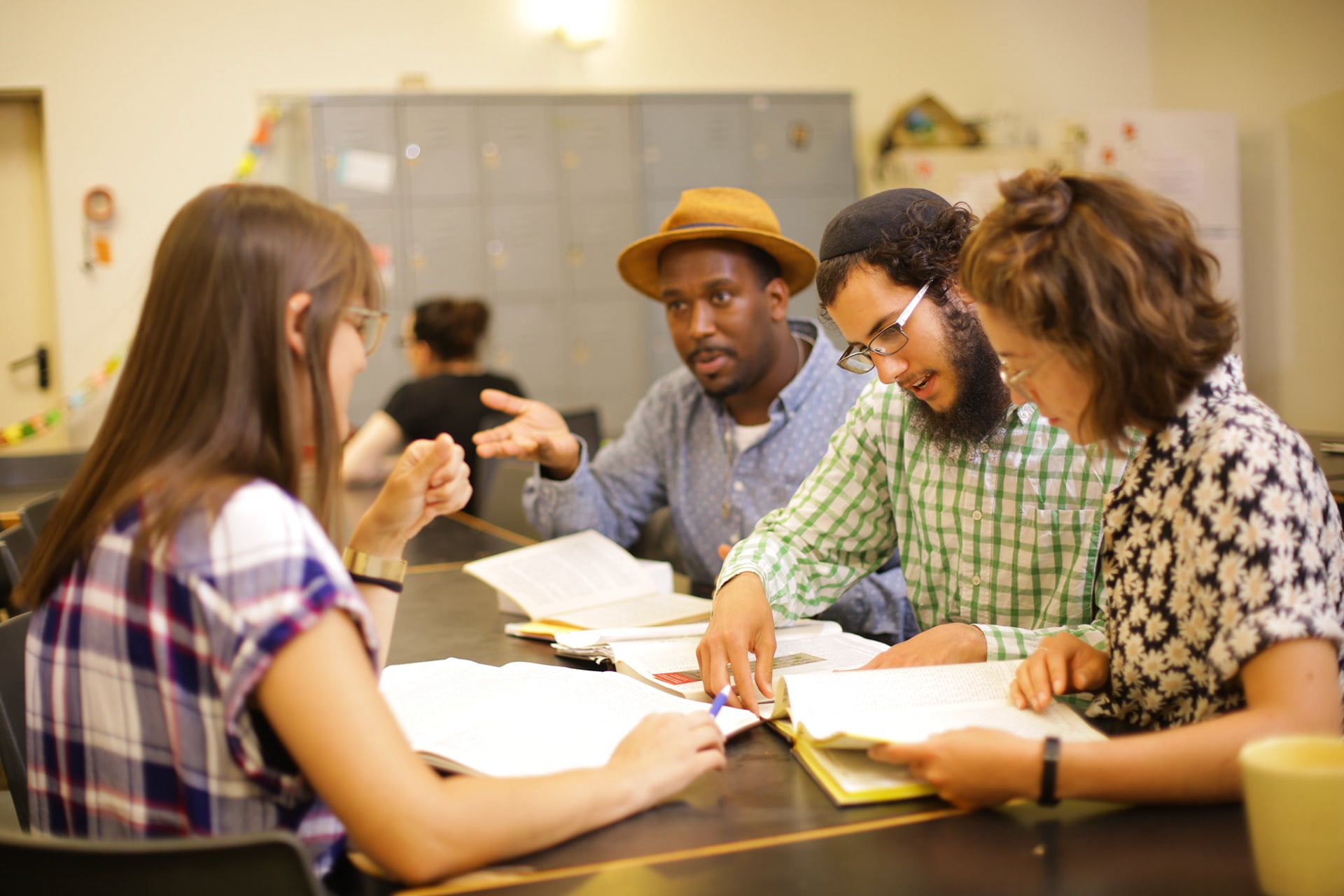
When Rabbi Marc Baker, current CEO of Combined Jewish Philanthropies, arrived at the Pardes Institute of Jewish Studies in the ’90s, he had “never opened a primary Jewish text.” Today, Rabbi Baker says he draws on Jewish texts and concepts when addressing boards about strategy, speaking at the state legislature, and leading fundraising campaigns. He says, “I came into Pardes knowing nothing, and I’m now a modern Orthodox Jew. I became a Jewish educator, rabbi, teacher, and Jewish leader. I see myself as a civic leader who’s deeply grounded in Jewish texts.”
Rabbi Baker’s journey and others are spotlighted in a new report (the first ever) that covers the 54 years of the Pardes Institute, based in Jerusalem, which I’m privileged to lead today. Of course it’s gratifying to read about our impact since 1972; the “multiplier effect” captures the estimated 6.7 million people estimated to have been engaged by Pardes alumni through teaching, mentorship, leadership, institutions, and community life.
But beyond telling the Pardes story, there are important lessons here for anyone who cares about engaging young Jews and of strengthening Jewish life and leadership. When Pardes was founded, no other institution offered serious Torah study in an environment that was as open, as inclusive, and as gender-egalitarian. It’s clear that this model, and its setting in Jerusalem, lit a spark in so many people to build their own sacred places of learning and community.
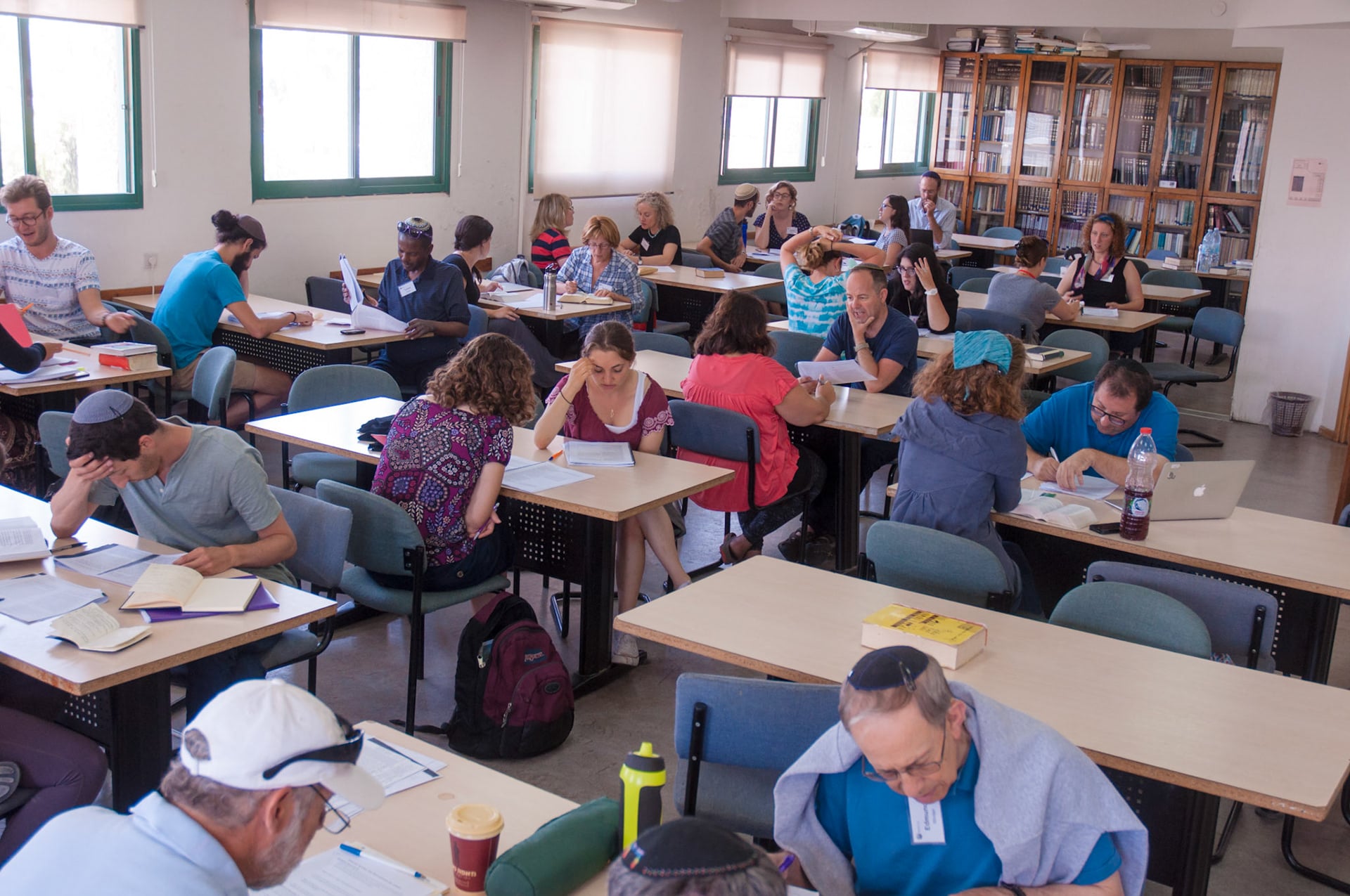
The data show that immersive text study in Israel produces confident and competent Jews whose impact far outweighs their numbers. Five especially key factors are elevated in the report: text and Torah study, the Jerusalem experience, pluralistic engagement, mentorship from inspiring faculty, and lasting alumni networks built first through intensive shared learning. These key factors sparked students’ initial engagement and then compelled them to create new forms of Jewish community and learning:
-
Text and Torah Study. Learning through direct engagement with Torah and Jewish texts developed in alumni the confidence, wisdom, and capability to lead, teach, and shape Jewish life across generations. One alumnus says they gained “a framework for thinking about every major decision in my life. It’s not just that I learned Torah — I learned how to think Jewishly about everything.”
-
The Jerusalem Experience. Alumni describe encountering Israel not as a news headline but as a place where they lived, studied, and formed relationships. That personal grounding shapes how they engage with Israel in their communities decades later. One alumnus describes the experience as encountering “the Torah of Eretz Yisrael,” including how Israelis deal with adversity, elections, the calendar, and the rhythm of Shabbat.
-
Pluralistic Engagement. A powerful connection is formed when students come from across the denominational spectrum, including Conservative, Reform, Modern Orthodox, Reconstructionist, and secular backgrounds. Learning alongside peers from different backgrounds develops the ability to engage respectfully with Jews whose religious commitments differ from their own. One alumnus, an Orthodox rabbi, describes the lasting effect: “I look at texts with multiple lenses though I am an Orthodox rabbi.”
-
Faculty as Mentors and Models. Faculty are viewed as more than just teachers; they are mentors and living models of what committed, intellectually serious, pluralistic Jewish life looks like. For many alumni, these mentorship relationships are ongoing. Alumni consult faculty years later on life decisions, career transitions, and questions of Jewish practice. One alumna describes her teachers as “giants in her head,” continuing to function as internal guides for learning and decision-making long after the program ended.
-
Alumni Networks. Relationships formed during intensive learning persist for decades. Alumni meet spouses, form business partnerships, and build enduring friendships. Personal friendships sustain alumni through transitions and crises, including the aftermath of October 7th. Professional connections create opportunities for serving on boards, finding teaching positions, and building collaborative ventures. 36% of alumni who participated in multiple programs maintain ongoing havruta partnerships.
When society feels as if it’s bursting at the seams, it’s heartening to see some of the basic ways we can push back. Bring people together from different life experiences. Offer meaningful forms of learning with talented teachers and ongoing mentors. Create avenues for relationships and friendships to endure.
And how powerful that the location of Jerusalem, centered around Torah learning, provides the context and starting point for this impact to reverberate.
In places like the Hadar Institute, Adamah (formerly Hazon), Or HaLev, and elsewhere, we see the fruits of labor that began decades ago. Those organizations, founded by Pardes alumni, make Torah learning and pluralistic engagement more accessible to more people than ever before. Still, our community can do more. We need more places where serious learning occurs, more opportunities for people to have their “Jerusalem experience.” The Jewish community is searching for its footing after an unprecedented two-plus years. Together, let’s heed some of the key ingredients that are proven to inspire, support, and connect people at this critical moment.