

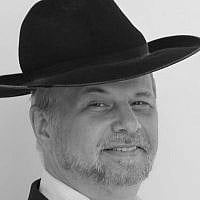
Rabbi, Special Operations Police Officer, Award Winning Filmmaker
Four Women Changing the Face of English-Speaking Likud
Sonia Graham, Oshy Ellman, Sarah Koren, and Chen Harkov: Four English-Speaking Women Bringing New Energy to Political Participation in Israel
Political movements are often identified with their most prominent leaders. Their photographs dominate the headlines, their speeches attract attention, and their decisions shape national debates.
Yet behind the public figures are individuals whose dedication, organizational abilities, and personal commitment help sustain political movements.
Within Israel’s English-speaking Likud community, four women deserve particular attention: Sonia Graham, Oshy Ellman, Sarah Koren, and Chen Harkov.
Their involvement reflects an important dimension of Israeli political life: the participation of English-speaking women in shaping the country’s political conversation.
A New Generation of Political Leadership
For decades, English-speaking immigrants have contributed enormously to Israeli society.
They have served in the military, established businesses, built communities, strengthened educational institutions, and contributed to Israel’s international standing.
Yet political participation presents its own challenges.
Understanding the Israeli political system, navigating party institutions, developing relationships with elected officials, and making one’s voice heard can be difficult even for native Hebrew speakers.
For English-speaking Israelis, the challenges can be greater.
This is why the involvement of Sonia Graham, Oshy Ellman, Sarah Koren, and Chen Harkov deserves attention.
Their participation highlights the importance of connections between English-speaking citizens and the political institutions that shape their lives.
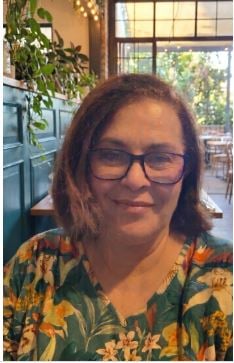
Sonia Graham: Building Political Community
Sonia Graham’s involvement in the English-speaking Likud community highlights an essential dimension of political leadership: organization.
Political participation does not begin and end at the ballot box.
It requires bringing people together, encouraging discussion, creating opportunities for involvement, and ensuring that individuals feel connected to the larger political process.
Sonia’s role in helping lead the English-speaking Likud community reflects the importance of this work.
The strength of any political organization ultimately depends upon its members and their willingness to participate.
Creating a sense of community is therefore not merely an administrative responsibility. It is part of the foundation of political life.
Oshy Ellman: Giving English Speakers a Voice
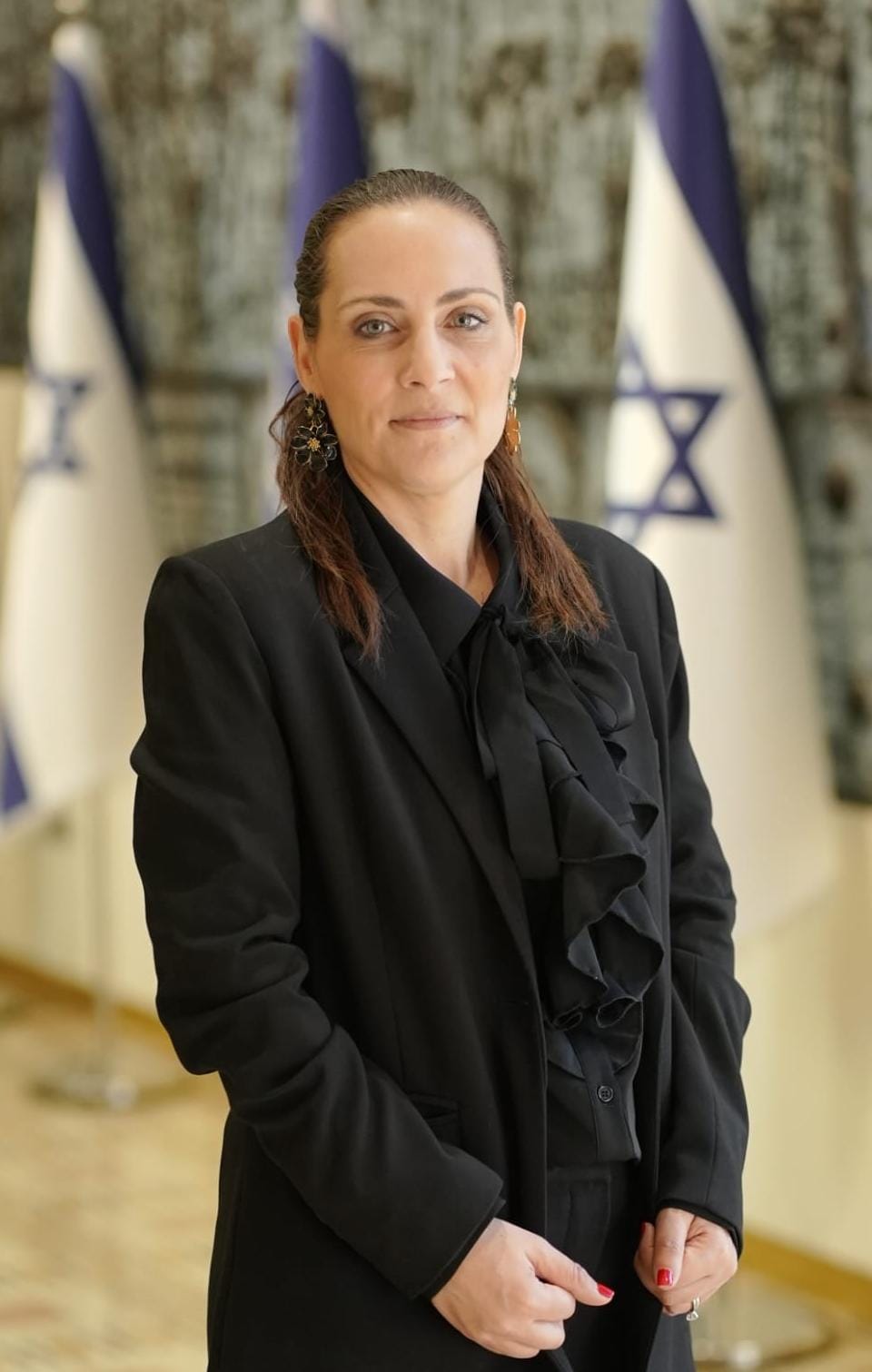
Oshy Ellman brings another dimension to this picture. With experience in communications and writing, Ellman has addressed issues affecting Israeli society and the English-speaking community.
Her familiarity with both Israeli society and the English-speaking world offers a perspective on the challenges of political communication.
Her published commentary demonstrates how English-speaking Israelis can participate directly in national discussions rather than merely observing them through translated news reports.
This is particularly relevant when Israel’s domestic political debates are followed closely by Jewish communities throughout the world.
Sarah Koren: The Importance of Grassroots Participation
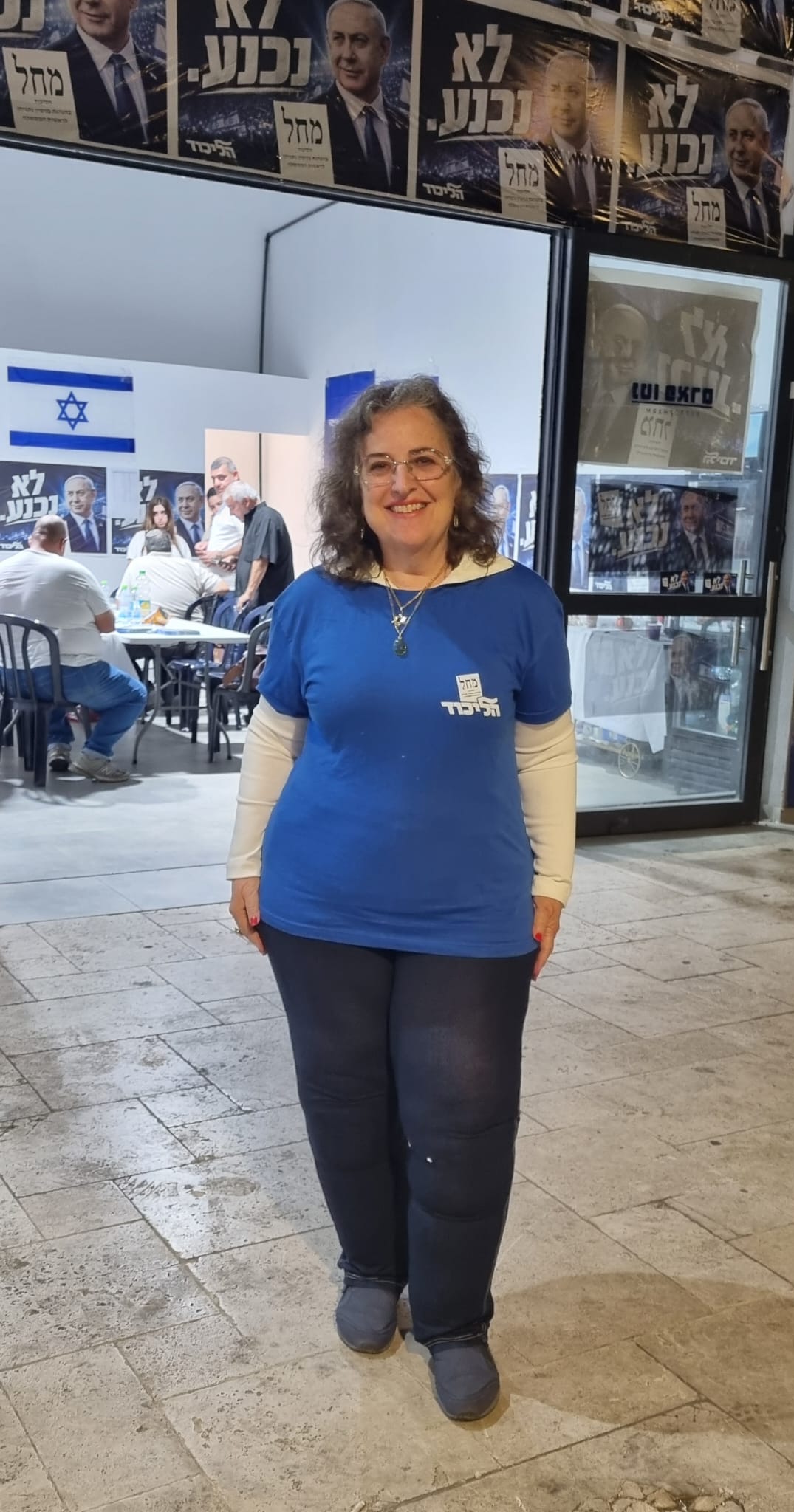
Sarah Koren’s involvement adds another important element to the story of English-speaking participation in Likud.
Political movements require more than recognizable personalities.
They need individuals prepared to devote their time, establish relationships, communicate with members, and participate in the everyday work of political organization.
Grassroots participation is frequently overlooked, yet it is indispensable.
Sarah’s involvement illustrates how political engagement extends beyond the Knesset and into communities throughout Israel.
Her participation, alongside Sonia Graham and Oshy Ellman, reflects the contribution women can make to political organization and community engagement.
Sarah’s commitment to public service extends far beyond politics.
A retired intensive care specialist nurse, Sarah devoted 43 years of her life to nursing, including 11 years in the United States and 32 years in Israel.
During the First Intifada, she served in the Trauma and CPR Room of the Emergency Department at Hadassah Ein Kerem Hospital in Jerusalem, caring for patients during one of Israel’s most challenging periods.
She also participated in the reception of approximately 1,000 Ethiopian immigrants during Operation Solomon, the historic 1991 airlift that brought thousands of Ethiopian Jews home to Israel.
Her distinguished nursing career, spanning numerous wars and national emergencies, concluded at Sheba Medical Center at Tel HaShomer.
But Sarah’s dedication to serving Israel did not end with her medical career.
On a volunteer basis, she brought numerous projects to the Knesset, establishing valuable working relationships with cabinet ministers and Members of Knesset.
Her experience reflects a lifetime of service, combining medical care, humanitarian commitment, volunteerism, and political involvement.
Chen Harkov: Two Decades of Building Likud’s English-Speaking Community
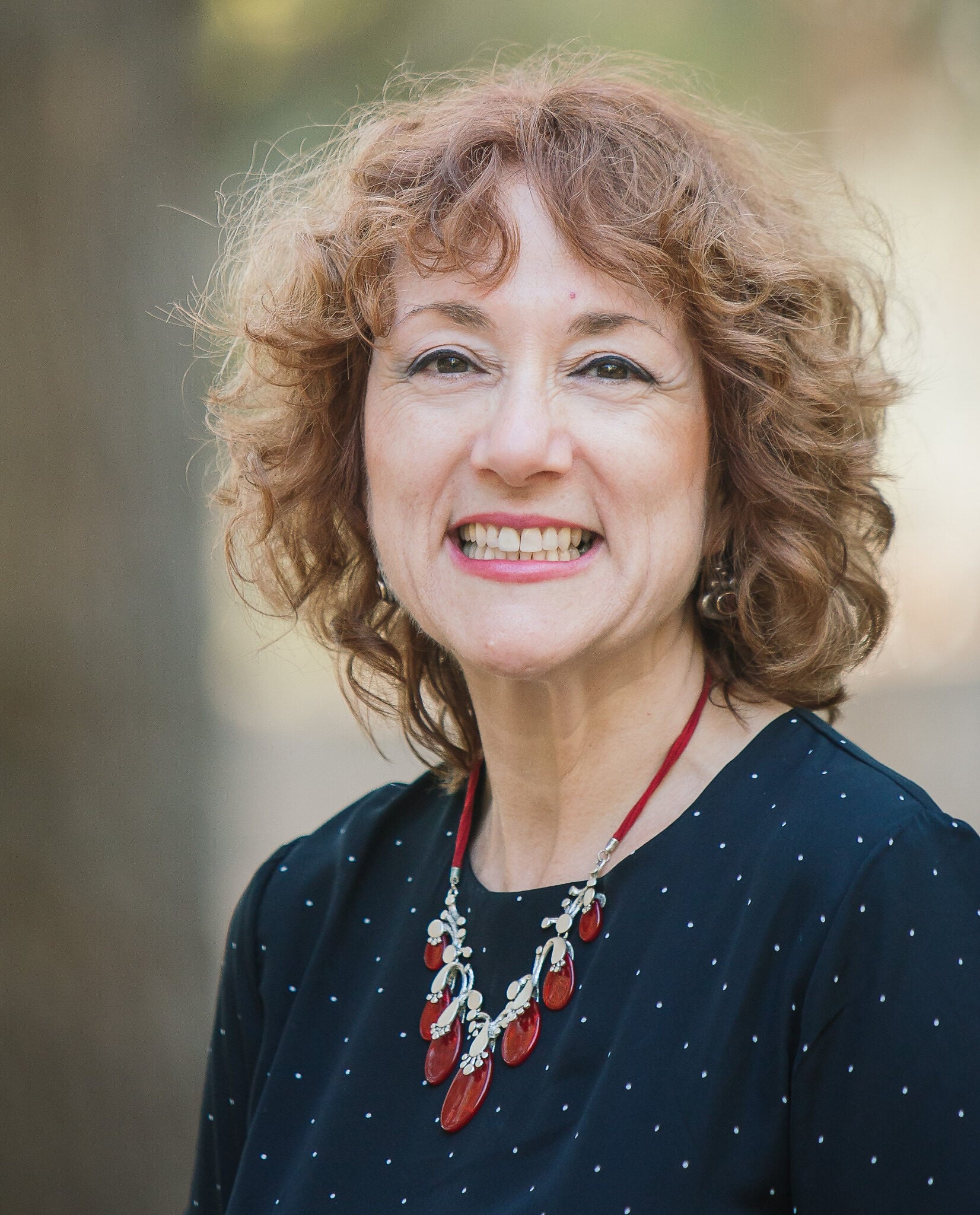
Chen Harkov made Aliyah from the United States with her family and has devoted many years to political involvement at both the national and local levels.
Nationally, she serves on the Likud Central Committee and is active with National Likud English Speakers.
Locally, Chen founded Modiin Likud Anglos and has managed the organization for 20 years.
Her work illustrates the importance of sustained community leadership and the role of local organizations in connecting English-speaking Israelis with national political institutions.
Building and maintaining a political community over two decades requires continuity, organizational commitment, and the ability to engage people across different generations and backgrounds.
Chen’s experience demonstrates how grassroots political involvement can develop into long-term participation within a national political party.
Her involvement at both the local and national levels also reflects the connections between community organization and participation in Israel’s political institutions.
Changing the Political Conversation
The significance of these four women extends beyond their individual activities.
Their involvement raises a broader question: What role should English-speaking Israelis play in the country’s political future?
Political participation among immigrants is sometimes viewed primarily through the lens of election campaigns.
But citizenship involves much more than voting.
It means participating in policy discussions, engaging with elected representatives, joining political institutions, and helping shape the national conversation.
Women have an essential role in that process.
And English-speaking women bring perspectives informed by their experiences in Israel and, in many cases, abroad.
Those perspectives can enrich political discussions and help connect communities that might otherwise remain distant from party institutions.
Leadership Is More Than Holding Office
One of the most important lessons of political history is that influence does not always require an official title.
Political organizations are built through relationships, ideas, communication, and persistence.
The activities of English-speaking Likud members offer an opportunity to recognize the contributions of people whose names may not appear on election ballots but whose participation matters nonetheless.
Sonia Graham, Oshy Ellman, Sarah Koren, and Chen Harkov illustrate the importance of that participation.
Their involvement also reminds us that the future of Israeli politics will be shaped not only by those who occupy positions of national authority, but also by citizens who choose to become actively involved.
Four Women, One Important Message
Israel’s English-speaking community is not simply an audience for political speeches.
It is a community of citizens with experiences, concerns, ideas, and aspirations that deserve representation in the national conversation.
The involvement of Sonia Graham, Oshy Ellman, Sarah Koren, and Chen Harkov reflects the opportunities available when citizens move from observing politics to participating in it.
Their stories are part of a larger story about women, immigration, leadership, and political engagement in the Jewish state.
The face of Israeli politics is shaped not only by those who lead from the podium, but also by those who bring people together, give communities a voice, and encourage others to participate.
Thank you Ladies!