
From Finding Community to Building It
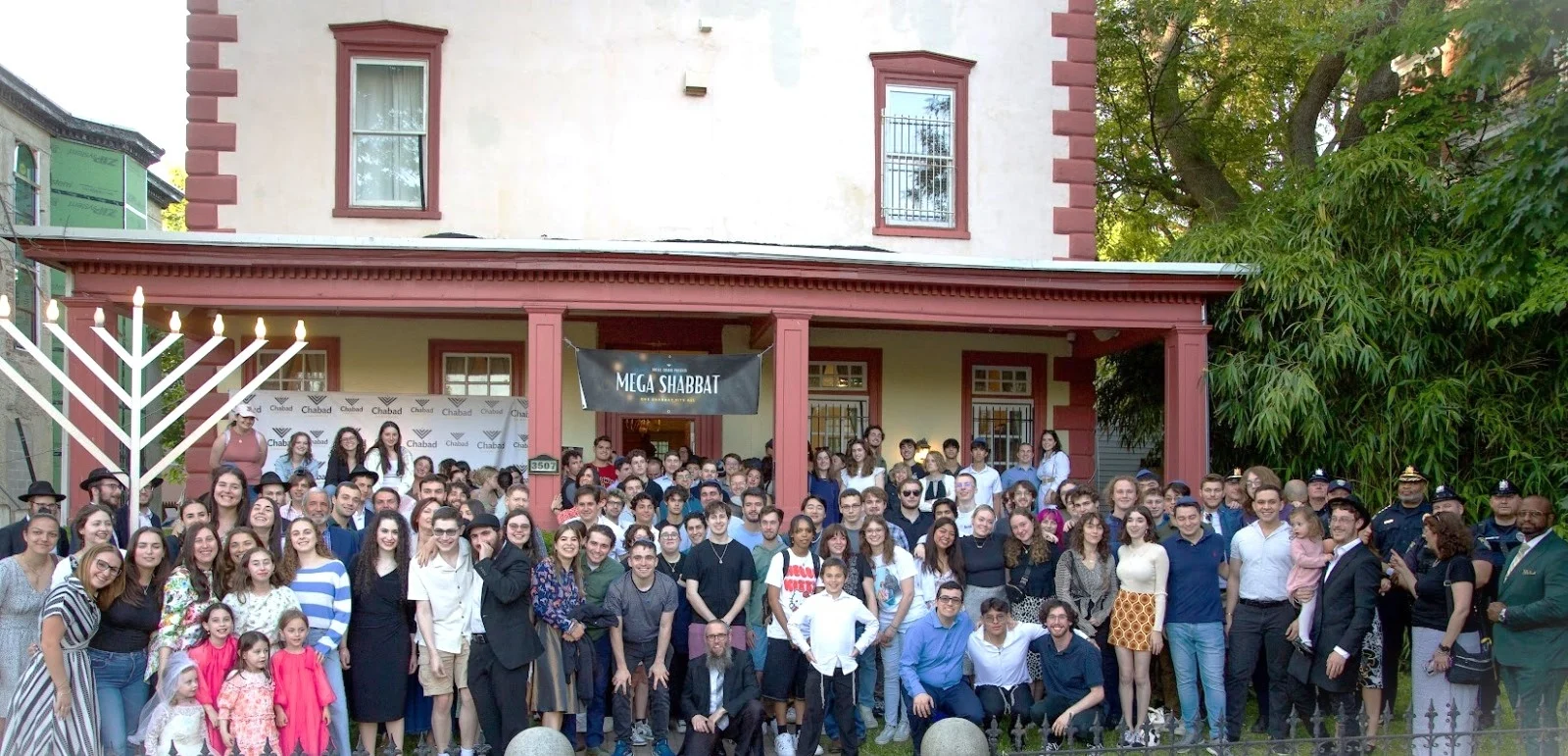
This past weekend, we were at Drexel University for Family Weekend.
While we were there, we had the opportunity to spend Shabbat with both Drexel Chabad and Drexel Hillel.
Both centered around something that I think about constantly
Community.
We had the opportunity to meet students, spend time together and hear about their experiences.
The Shabbat experience was wonderful. However it was what the students shared about building community and what that meant to them.
During our time with Chabad, we heard from two student leaders.
Tal Tzabbar, president of the Chabad Student Board, and my son Yoni, who serves as vice president.
As a parent, it was obviously special to hear Yoni speak.
But what stayed with me was what both of them shared about their journeys.
They talked about arriving at Drexel, meeting new people and finding their place.
A new campus.
New surroundings.
New faces.
For many students, going away to college is the first time they’ve had to build much of their community from scratch.
The friendships, familiar faces and routines they’ve known for years are suddenly somewhere else.
And finding where you belong takes time.
What struck me was how those early experiences were shaping the way Tal and Yoni were leading today.
They remembered what it felt like to be new.
They remembered having to meet people.
They remembered what it meant to find a place where they felt comfortable.
And now, as student leaders, they wanted to create that same opportunity for someone else.
Not simply to organize events.
Not just to get people to show up.
But to make sure the next student walking through the door feels welcome.
I think there’s something pretty powerful about that.
We spend a lot of time talking about the future of Jewish life.
How do we engage the next generation?
How do we keep young people connected?
What programs should we offer?
What will Jewish community look like in the years ahead?
Those are very important questions.
But sitting with these students reminded me that sometimes we make the conversation more complicated than it needs to be.
Someone who once needed a community is now helping build one.
Someone who remembers being the new person is making sure someone else doesn’t feel alone.
And perhaps most importantly, these students understand that belonging doesn’t just happen because an organization exists.
Someone has to create it.
Someone has to introduce themselves.
Invite someone to sit down.
Start a conversation.
Notice the person standing off to the side.
Make the effort.
That’s leadership.
And it doesn’t require a title, a large budget or a complicated strategic plan.
It requires remembering what it felt like to be on the other side.
I appreciate the role that both Chabad and Hillel play in creating these opportunities.
They provide places for students to gather, celebrate Shabbat, learn and connect.
But what I saw was something beyond impressive.
Students taking ownership of the communities they were becoming part of.
Students recognizing that the experience they valued was something they could now help create for others.
That’s how community grows.
And that goes for all communities and organizations.
Think about our synagogues, JCCs, schools and other Jewish organizations.
Every person who feels connected today was new at some point.
Someone welcomed them.
Someone made an introduction.
Someone gave them a reason to come back.
And now they have the opportunity to do the same.
We often measure community through membership, attendance and participation.
Those things matter.
But maybe there’s another measure worth paying attention to.
How many people who once came looking for community are now helping create it for someone else?
I went to Drexel for Family Weekend expecting to spend time with family and experience Shabbat on campus.
I came away thinking about the students who are helping shape Jewish life there.
We spend a lot of time wondering whether the next generation will remain connected to Jewish life.
This weekend, I watched students who weren’t simply staying connected.
They were taking responsibility for connecting others.
And as a parent, that was pretty special to see.
Because the future of Jewish community isn’t just about whether our children find a place to belong.
It’s about whether they help create that sense of belonging for someone else.