

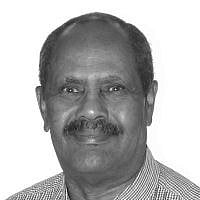
From Isolation to Recognition: Somaliland’s Diplomatic Breakthrough in Jerusalem
The June 2026 state visit of Somaliland’s President, Abdirahman Mohamed Abdullahi (Irro), to Jerusalem marks a significant shift in Horn of Africa diplomacy. Its uniqueness becomes clear when compared with earlier visits by leaders from major Muslim-majority countries—Egypt’s Anwar Sadat (1977), Indonesia’s Abdurrahman Wahid (1999), and Turkey’s Recep Tayyip Erdoğan (2005). While each visit disrupted regional political norms, Somaliland’s case differs fundamentally in motive, stakes, and outcome.
Sovereignty vs. Conflict Resolution
President Abdullahi’s visit represents an existential pursuit of recognition. Since declaring independence from Somalia in 1991, Somaliland has maintained state-like institutions without international acknowledgment. Israel’s decision in December 2025 to formally recognize Somaliland created a historic opening, and Abdullahi’s visit cemented that recognition. His statement— “We asked the world: Do you see us? Israel answered first”—captures the emotional and political significance of this breakthrough.
By contrast, Sadat’s 1977 journey to Jerusalem was not about statehood but conflict resolution. Egypt was already an established state; its goal was to end decades of war with Israel and recover the Sinai Peninsula. The visit led to the 1979 peace treaty and full diplomatic relations.
Similarly, Erdoğan’s 2005 visit and Wahid’s 1999 visit were undertaken by recognized states seeking to balance geopolitical interests. Turkey aimed to strengthen its role as a bridge between the West and the Muslim world, while Indonesia explored interfaith dialogue and economic ties. Neither sought diplomatic recognition or a fundamental shift in sovereign status.
Diplomatic Formality and Embassy Placement
The outcomes of these visits highlight differing approaches to Jerusalem’s sensitive geopolitical status. Egypt and Turkey, while maintaining full relations with Israel, kept their embassies in Tel Aviv in line with broader international consensus. Indonesia never formalized diplomatic ties, and Wahid’s visit remained symbolic.
Somaliland’s approach is markedly different. By inaugurating its embassy directly in Jerusalem’s Har Hotzvim district, it establishes a clear and public diplomatic presence. This step not only reflects Israel’s recognition but also signals Somaliland’s willingness to align openly rather than cautiously navigate international norms.
Strategic Alignment and Regional Impact
The regional implications of Abdullahi’s visit reflect contemporary geopolitical realities. Somaliland’s engagement is anchored in maritime security and the evolving framework of the Abraham Accords. Amid instability in the Red Sea and threats along the Bab al-Mandab Strait, Somaliland positions itself as a strategic partner offering tangible assets such as the Berbera International Airport and coastal access. This represents a pragmatic, security-driven diplomacy grounded in mutual benefit.
The historical cases differ sharply. Sadat’s decision realigned Egypt toward the United States and temporarily isolated it within the Arab world. Turkey’s engagement with Israel in 2005 reflected a period of strong bilateral cooperation and an effort to project itself as a modern, mediating power. Indonesia’s attempt under Wahid was constrained by domestic opposition, preventing any lasting policy shift.
A New Model of State-Building Diplomacy
While earlier leaders used engagement with Israel to manage conflict or expand influence, Somaliland’s visit represents diplomacy as state-building. For Somaliland, international recognition is not a given but an ongoing process. The Jerusalem visit transforms this process into tangible reality, placing Somaliland on the global stage as an emerging sovereign actor.
Tangible Outcomes and National Impact
The visit delivers several key gains for Somaliland. First, it provides sovereign validation. After decades of diplomatic isolation, being received with full state honors—official ceremonies, formal recognition, and embassy inauguration—sets a precedent for Somaliland’s status as a peer state.
Second, it enhances strategic positioning. By leveraging its geographic location, Somaliland elevates itself as a critical player in Red Sea security. Defense cooperation, intelligence sharing, and infrastructure partnerships demonstrate its practical value to global partners.
Third, it brings direct benefits to citizens. Agreements emerging from the visit include technological cooperation for infrastructure protection, water management training to address climate challenges, and medical partnerships such as pediatric cardiac care programs. These initiatives translate diplomatic success into improvements in daily life.
Transforming National Identity
Beyond political and economic gains, the visit reshapes Somaliland’s national narrative. Since 1991, Somalilanders have built a functioning democracy while remaining internationally unrecognized—a paradox that fostered pride but also frustration.
The Jerusalem visit shifts this mindset in four keyways:
- From invisibility to recognition: Official state honors and the raising of Somaliland’s flag alongside Israel’s validate decades of internal state-building efforts.
- From supplication to partnership: Somaliland moves from seeking recognition to offering strategic value, particularly in maritime security.
- From ambiguity to legal reality: The establishment of an embassy creates a permanent and visible symbol of sovereignty.
- From isolation to integration: Participation in international frameworks opens access to technology, investment, and cooperation.
These changes alter how Somaliland’s citizens view their place in the world. The narrative evolves from defending their existence to actively shaping their future as a recognized partner in global affairs.
Conclusion
President Abdullahi’s 2026 visit to Jerusalem represents a turning point not only in diplomacy but in the very identity of Somaliland. Unlike past visits by leaders of established nations, this moment is foundational—it transforms Somaliland from a de facto state into an emerging recognized actor. By combining diplomatic recognition, strategic alignment, and tangible public benefits, the visit marks the transition from decades of isolation to a new era of global engagement and legitimacy.