


Senior Research Fellow, S. Neaman Institute Technion
From Lab to Life: Breast Cancer Vaccine?
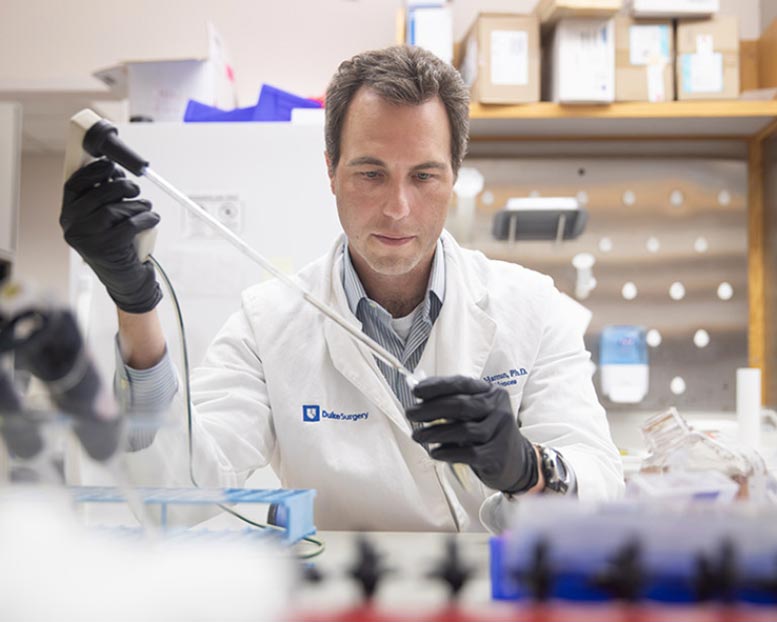
Zachary Hartman (Duke Health)
Breast cancer is the leading cause of cancer death in women globally, with an estimated 670,000 deaths in 2022. It is the most common cancer in women across 157 countries, with about 2.3 million new cases reported annually. While survival rates have risen dramatically (in Israel, 85% of women diagnosed with breast cancer survive it), it remains a major killer.
Could scientists one day develop a breast cancer vaccine and save millions of women’s lives?
In Science Immunology, Dec. 19, 2025, Duke University researchers led by Zachary C. Hartman revisited a study by Prof. Herbert Kim Lyerly, decades earlier, in a clinical trial of a breast cancer vaccine. The women in the original clinical trial all had advanced breast cancer that had metastasized (spread widely). The researchers found, decades later, that all of them are still alive today! Survival this long is extremely rare!
The new analysis revealed that the women continued to carry powerful immune cells that could still recognize their cancer many years later. These cells expressed a marker known as CD27, which plays a key role in helping the immune system remember past threats and respond to them again.
The researchers report that “CD27 could greatly enhance the performance of cancer vaccines”. Hartman said, “We were stunned to see such durable immune responses so many years later. It made us ask, what if we could boost this response even more?”
So, the researchers “tested a stimulatory antibody designed to activate CD27…. Alongside a vaccine targeting a protein on the surface of great cancer cells in several mouse models. Nearly 40% of mice that received the treatment showed complete tumor regression, compared with just 6% of those given the vaccine on its own.”
Someday, there will be a cancer vaccine, and not only for breast cancer.
Postscript: Russia actually has such a vaccine, based on mRNA (messenger RNA) technology, the same technology used by BioNtech to develop the COVID vaccine. Reports say that “Russia is in the process of developing personalized mRNA-based cancer vaccines, with officials announcing that preclinical studies have been completed and human trials are expected to have begun late last year.”