


Senior Research Fellow, S. Neaman Institute Technion
From Lab to Life Cancer Deaths in Decline
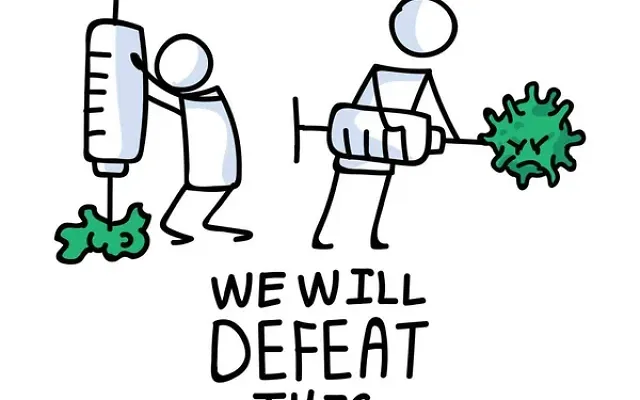
In the struggle of medical science to defeat cancer, there is good news, from the US National Institutes of Health (NIH):
“Age-standardized cancer death rates (the risk of dying from cancer for a person of a given age) have fallen globally and in many major regions over the past decade, even as total absolute deaths have increased”.
“Global age-standardized cancer mortality rates have declined by more than 20% over recent decades and continue to drop by roughly 1% to 1.3% annually in many populations due to better treatment and prevention.”
Writing in the New York Times, October 22, Katrin Bennhold interviews health reporter Nina Agrawal. This is a summary:
Agrawal: “Advances vary by cancer. In lung cancer, for example, a big one is targeted therapy. Many patients have a specific mutation — often in a gene called EGFR — and drugs that target that mutation have improved steadily over the last 20 years. That’s been a real game changer. Targeted therapy, as the name implies, acts specifically on cancer cells and mostly leaves healthy cells alone, whereas traditional chemotherapy is toxic to most cells, including healthy ones.
“Breast cancer is another beneficiary of targeted therapy. This is the most common cancer among women; about one in eight American women get it. But survival rates are now much higher. That’s because screening has gotten better, as have treatments: In addition to targeted therapies, there are also new immunotherapies that activate the patient’s immune system to attack the cancer. Those didn’t exist 15 years ago.”
Bennhold asks, why are we seeing all these breakthroughs now?
Agrawal: “Two big things have happened. One is genetic sequencing. Doctors can sequence an individual tumor, find its mutations and then tailor a treatment that specifically targets those mutations. For certain cancers, like some types of breast cancer, it can also tell you whether a patient is likely to benefit from chemotherapy, which can spare a lot of people that toxicity.”
“The other thing that’s really helped is understanding how the immune system can be harnessed to fight cancer. Researchers have figured out how to better use our own immune system to attack cancer cells. They’ve developed drugs that essentially take the brakes off certain cells in the immune system. Advanced melanoma, for example, used to be almost universally deadly. It’s been totally transformed since this class of immunotherapies was first approved in 2011.”
The NIH reports that “The 5-year survival rate for patients with advanced or distant metastatic melanoma has more than doubled, rising from roughly 15% in the mid-2000s/2015 to around 35% (data spanning 2015–2021).”
According to The Lancet, “Globally, $51.4 billion was invested in cancer research through public and philanthropic organizations between 2016 and 2023.” For a time it seemed that the enormous investments in cancer research were having little impact. Now, the fruits of this difficult, frustrating and often dead-end research are maturing. For our loved ones and ourselves, this is very good news.