


Senior Research Fellow, S. Neaman Institute Technion
From Lab to Life: Gene Editing Can Replace Drugs
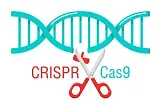
Source: depositphotos.com
What will the medical care of the future look like? Here is a vision, from Sciencedaily.com, November 3.
Gene editing.
For example: I take a statin daily for controlling harmful cholesterol. According to the World Health Organization, statins are a cornerstone of cardiovascular disease prevention and save millions of lives globally.
What if CRISPR (gene edit method) could snip out the high-cholesterol gene (I am certain my father too had this) and replace it with a healthy gene? Bye bye statins forever?
A study by scientists at the University of Michigan reports: “A single gene-editing treatment could someday protect against heart disease, high cholesterol, and other common conditions for decades, potentially replacing lifelong medications.”
“University of Michigan Health Frankel Cardiovascular Center cardiologists Eric D. Smith, M.D., and Venkatesh L. Murthy, M.D., Ph.D., outline how doctors and researchers should weigh the potential benefits of genomic therapies against their risks.”
The downside?
“…. But scientists warn that permanently altering genes introduces risks that could take years to emerge, making long-term safety a critical challenge.”
Science Daily notes that “gene therapy is already being used to treat certain serious illnesses. These treatments can introduce working copies of genes, silence harmful genetic activity, or make changes directly to DNA. Unlike conventional medications that must be taken repeatedly, some genetic treatments are designed to work after just one administration. More than 6,000 rare genetic disorders have been identified, although only a small proportion currently have targets that can be treated. Gene therapies have already achieved important successes against conditions such as spinal muscular atrophy and sickle cell disease.”
Traditional medicines work only as long as patients continue taking them. Big Pharma has a keen interest in this – The industry has global annual revenues of $2.5 trillion and some 160 billion dollars!
Genomic therapies act on genetic material itself. They provide a healthy version of a gene, suppress a gene responsible for harmful effects, or modify a specific DNA sequence.
Will scientific research overcome the vested interest of Big Pharma, achieve adequate funding for gene editing research, and make costly drugs obsolete forever?
Stay tuned. **
** Eric D. Smith, Venkatesh L. Murthy. Clinical Framework for Durable Genomic Interventions. JAMA Internal Medicine, 2026; DOI: 10.1001/jamainternmed.2026.4690