


Senior Research Fellow, S. Neaman Institute Technion
From Lab to Life: Memories as a Two-Part Process
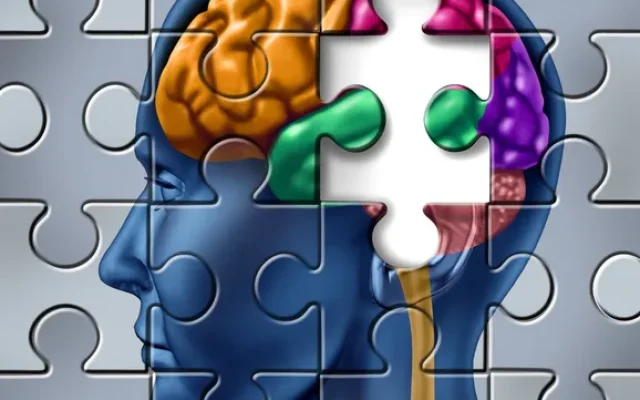
Have you ever recalled something – say, a memorable restaurant meal – but could not quite remember where it was or when it happened? Scientists have now discovered why.
“Our brain separates memories into two parts: First, ‘what’, the substance or content of the memory itself; and second, ‘when and where’, the context of the memory.” A full memory of something involves connecting these two separate memories and reconstructing the full what/when, where, why details. A report in Science Daily observes that “instead of blending both types of information within the same [memory] cells, the brain keeps them apart and links them when needed. *
- Marcel Bausch, Johannes Niediek, Thomas P. Reber, Sina Mackay, Jan Bostrom, Christian E. Elger, Florian Momann. “Distinct neuronal populations in the human brain combine content and context”. NATURE, 2026.
Fully capable memories need to connect these two parts. Dementia appears to disrupt the process, not solely by impairing memory in general but by disrupting the connection between the content and context memory sites in the brain.
Group leader Dr. Marcel Bausch, University of Bonn, observes that in rodents, for instance, individual neurons (brain cells) often combine both types of information. Perhaps human brains map content and context separately, ‘to enable a more flexible memory’.
When I’m in the kitchen cooking up a meal, I mainly need content – a visual memory of food dishes that were tasty and enjoyed by my family. When I am about to meet and interview someone, I need context – who is this person, where did we meet, when did we meet, etc. Perhaps the brain has evolved to specialize the task of recalling memories – searching our ‘hard disk’ brain, depending on the particular need, for content, context or both.