
We cannot see the future, but we can shape it!
Featured Post
Joshua Boone deserved more than a funeral wreath
As long stints of reserve duty blur the line between soldier and civilian, the IDF owes much more to veterans who die by suicide
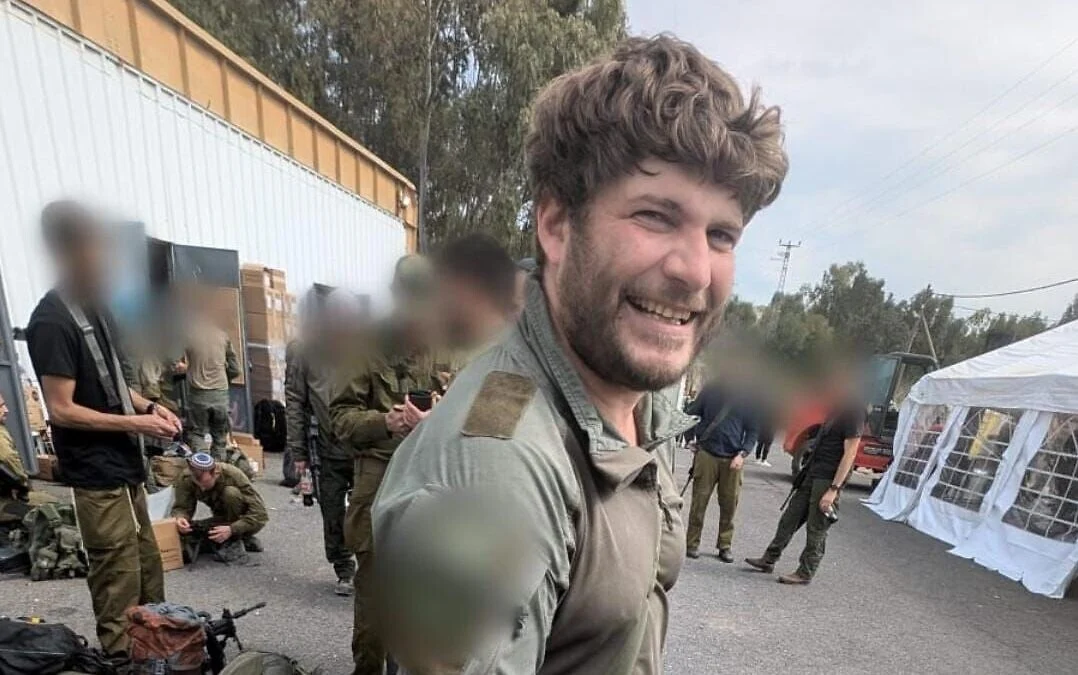
Joshua Boone. (Social media/used in accordance with Clause 27a of the Copyright Law)
As our convoy departed southern Lebanon this week and slowly approached the Israeli border, I began the long and difficult transition from soldier back to civilian, even if only for a few days at home. This time, unlike most others, I did not have the luxury of two days to decompress and reacclimate. Less than 24 hours later, I would be standing in the Supreme Court in support of a petition filed against the Ministry of Defense and the Almoz Committee.
Following multiple suicides connected to PTSD stemming from the current war, the Almoz Committee was established in 2025. Its purpose was to create a new category of recognition for soldiers who die after their service under circumstances connected to their military experiences. In practice, however, the category created by the committee is something more than civilian recognition, yet far less than recognition as a fallen soldier.
The committee’s solution amounts largely to window dressing, a way for the state to pay lip service to veterans whose service and sacrifice ultimately became too heavy to bear. The two primary tangible benefits provided under this new framework are limited military symbolism at the funeral and short-term financial assistance during the shiva period.
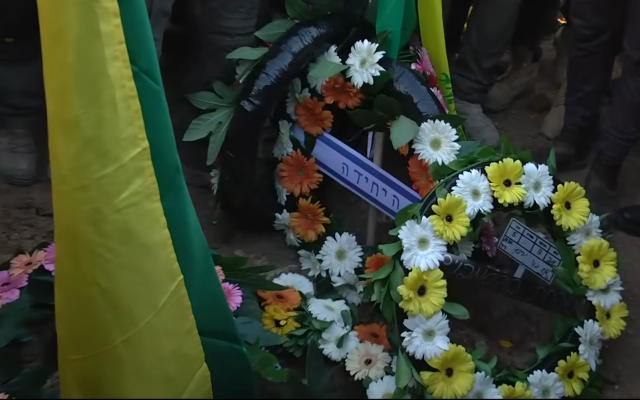
That military symbolism consists of a flower arrangement and a uniformed commander delivering a eulogy. But Am Yisrael and the IDF already know what the right thing to do is. We do not need a commander to instruct us to attend our friends’ funerals in uniform, as was demonstrated at Joshua Boone’s funeral. The financial support provided to grieving families amounts to approximately 5,000 shekels in supermarket vouchers.
The Almoz Committee is the proverbial case of too little, too late.
Since 2006, the military had theoretically been preparing for a prolonged multi-front war. Civilian society built emergency management systems and wartime infrastructure to sustain the country through such a conflict. Yet the legislators failed to prepare the legal framework necessary for the kind of war Israel ultimately found itself fighting.
They failed to enact adequate legislation addressing long-term civilian displacement, business compensation, and sustained economic disruption. More importantly, they failed to recognize that in a long war fought heavily by reservists, the line between soldier and civilian becomes deeply blurred. Combat reservists can spend months at the front, return home briefly, and then immediately reenter combat again and again. The transition is neither clean nor complete.
When the state finally recognized that this reality created a legal and moral problem, it chose not to address the root issue. Instead, it applied a bandage and declared the matter solved. That bandage is already peeling away, reflected in the growing sense that the state is failing to properly honor soldiers who gave everything in defense of Israel and the Jewish people.
After recognizing this major gap in legislation, I decided that instead of merely criticizing the problem, I would attempt to help fix it.
With the support of professionals in the field, I drafted the “Boone Law” legislation designed to establish proper recognition for soldiers who fall after their service under circumstances connected to that service. The law is intentionally simple, but also carefully structured. It separates “recognition” into four distinct categories and assigns the authority for those decisions to different levels of command depending on how much time has passed since the soldier’s last day of active service.
The law recognizes that these decisions must be made quickly and by commanders who actually knew the soldier and understood the circumstances leading up to his death. During the first 30 days after service, the authority would rest with the battalion commander, the lowest senior officer who had personally led those soldiers into battle only weeks earlier. As more time passes, that authority would gradually move higher up the chain of command, eventually returning to the Minister of Defense after one year.
The four categories of recognition include burial location, burial status, national remembrance, and financial compensation. Depending on the circumstances, some or all of these components could be approved on a case-by-case basis.
Israel needs leadership that does not merely react to crises after they emerge, but builds solutions before they are desperately needed. Leadership with vision, foresight, and the ability to steer the country in the right direction.
For Joshua Boone and many others like him, it is already too late for us to save them. But the very least we can do is guarantee them proper remembrance and ensure their rightful place within the national ethos of the State of Israel.
Related Topics
Related Posts