


From Marrakesh to Be’er Lahai Ro’i – Parashat Hayyei Sarah 5786
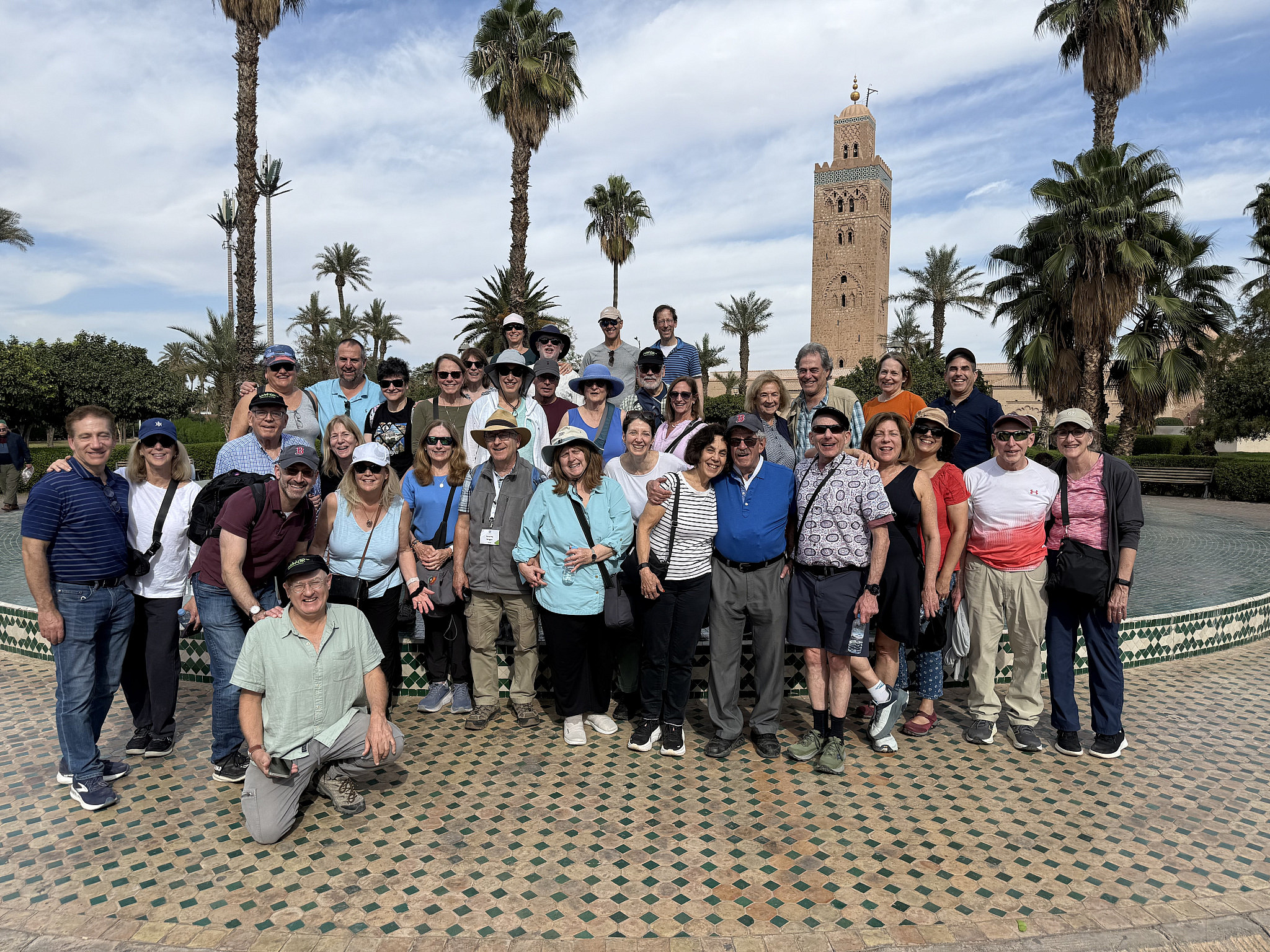
I just returned from an amazing 18-day trip with 42 members of our Emunah family to Portugal, Spain, and Morocco.
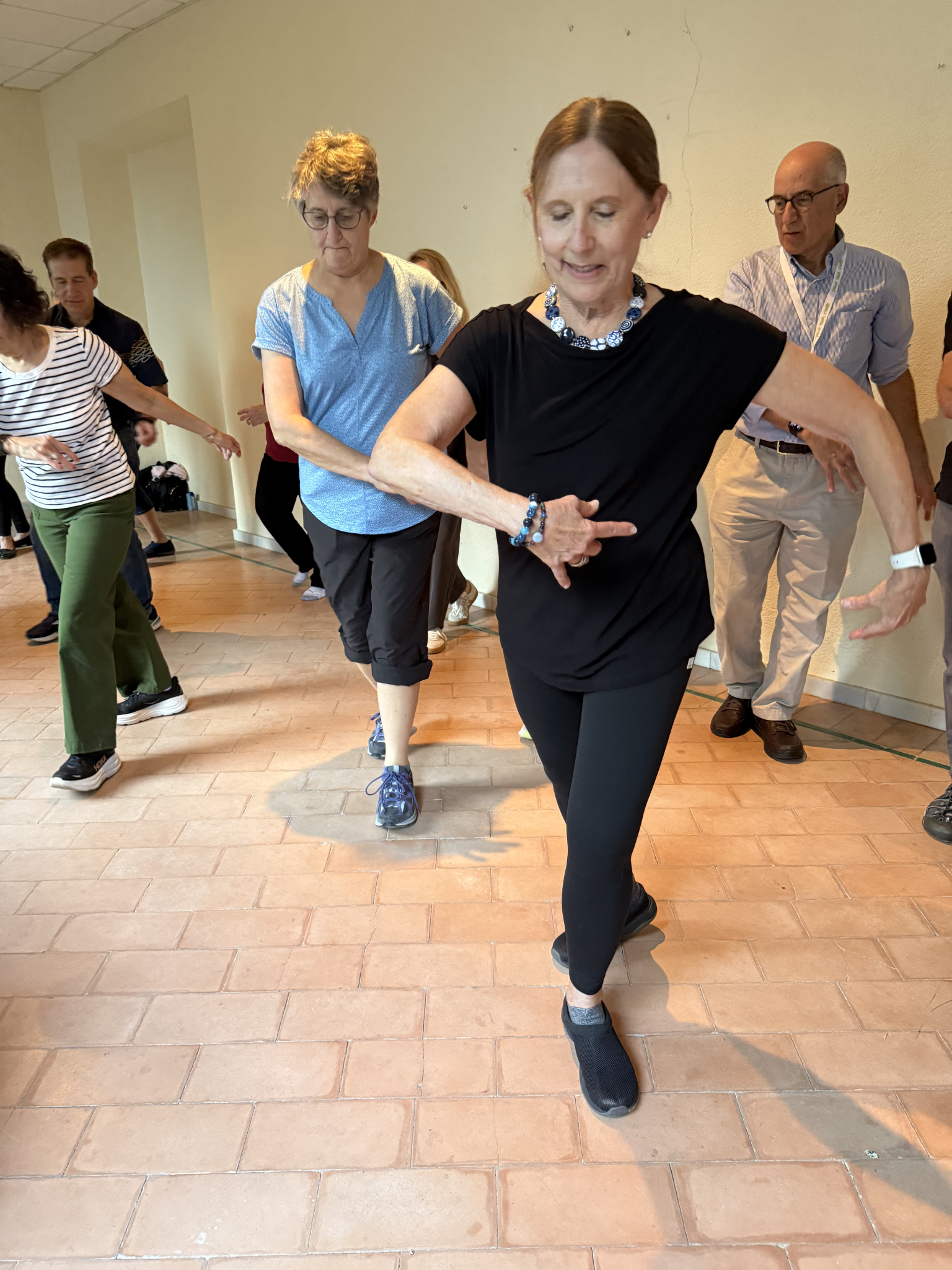
We ate incredible food, visited extraordinary sites, learned together, and had great fun — including a flamenco dance workshop.
And learned how to make an authentic tagine in Marrakesh… and then we were served it across the country another one or two… or maybe more like ten more times!
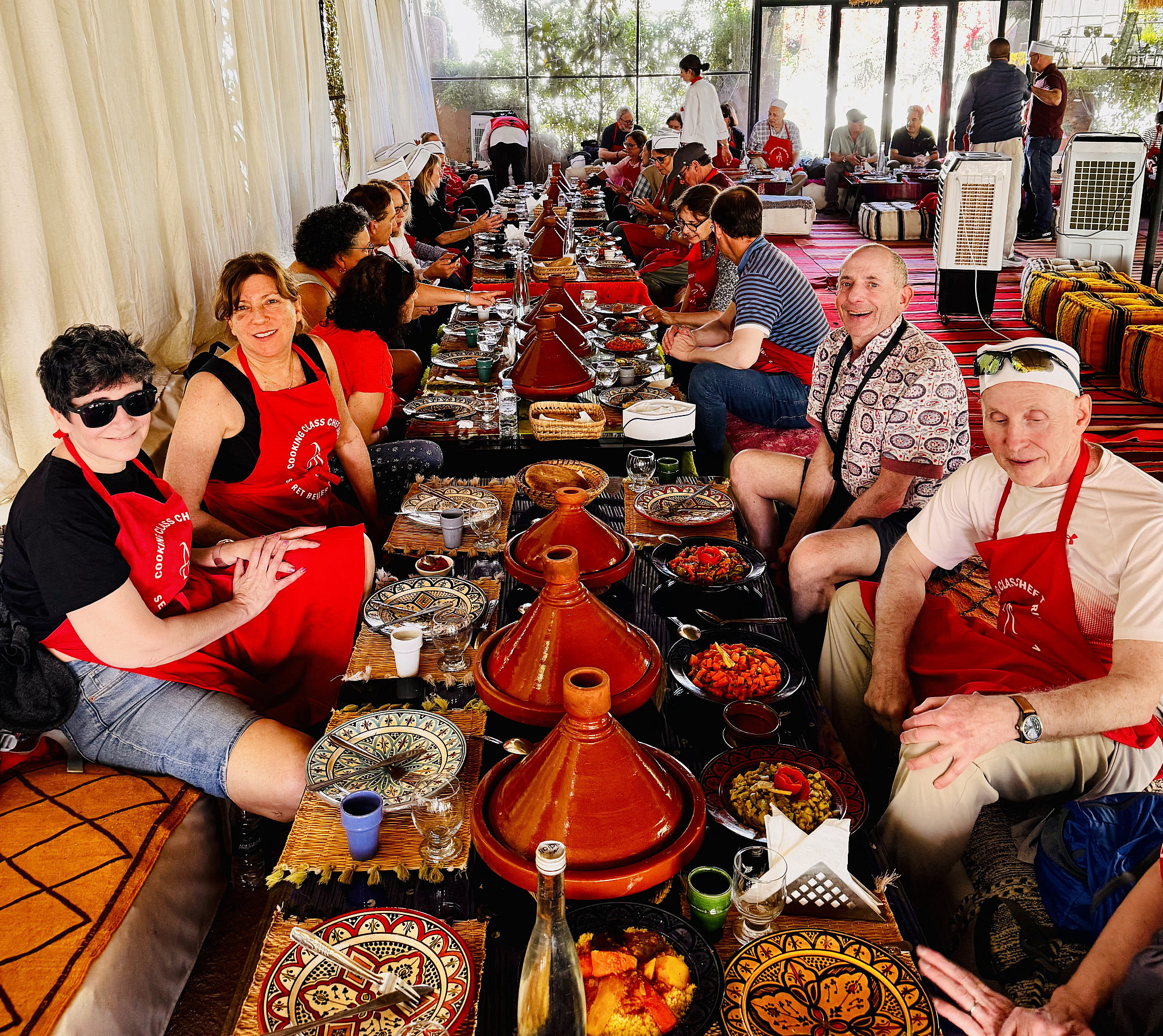
We explored the story of our people in these countries over the last 1,500 years, and we became an even closer community.
People who didn’t even know each other before learned a lot — sometimes maybe too much — about one another.
I’ll save that for another sermon.
***
But I want to open with something that happened a week ago.
After an inspiring Shabbat in Marrakesh — Friday night davening with the local community (a very powerful experience, though less accessible for many of the women in our group), and then an egalitarian service we created the next morning in a synagogue that goes back 500 years to the expulsion from Spain — we spent Saturday night in a riad, a traditional Moroccan home built around a courtyard, now a luxury guesthouse.
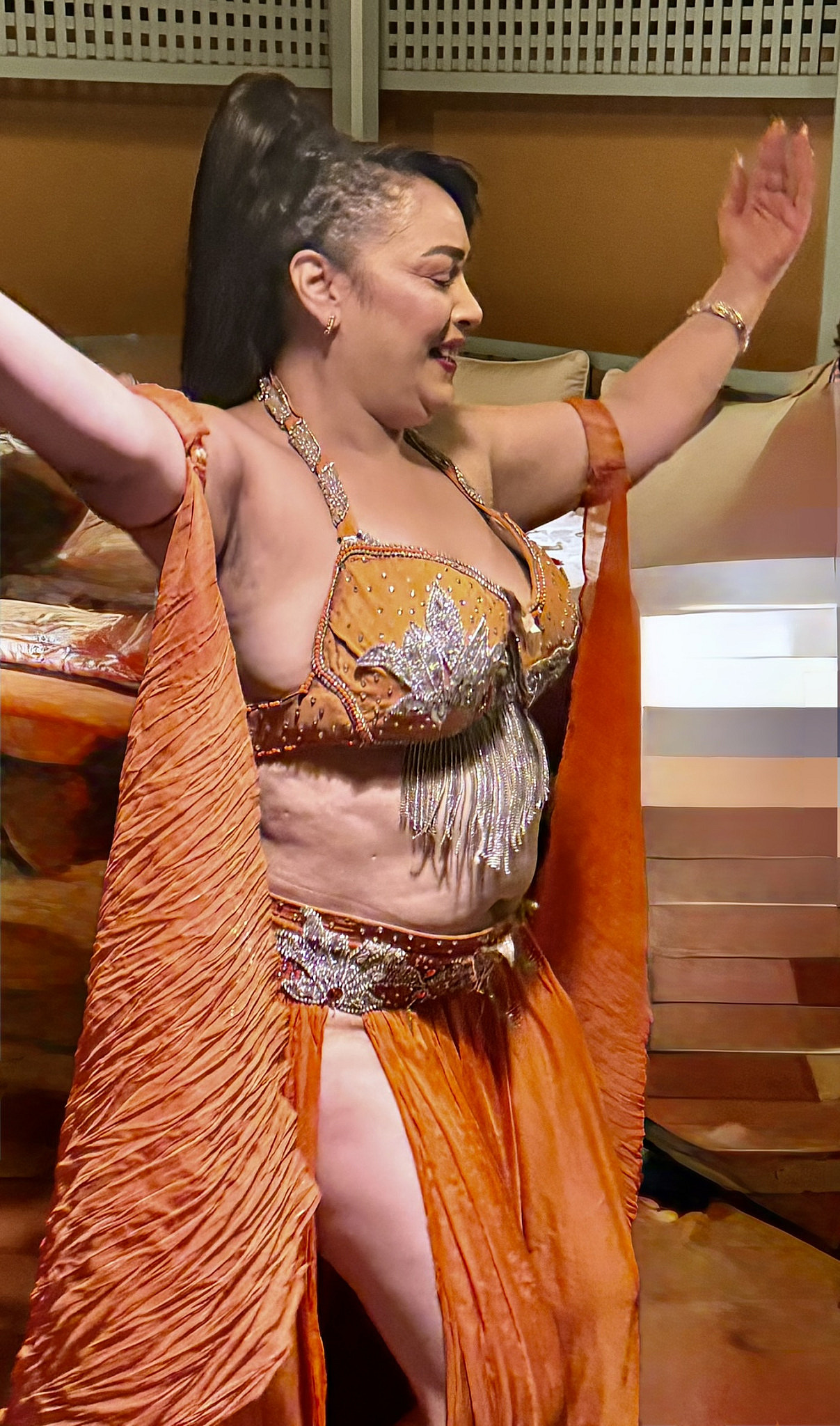
We climbed to the rooftop and were presented with an elegant evening of food, music, and hospitality.
I’m going to make the right call here and leave the belly dancing out of this sermon…
Food on a trip like this can be complicated: we had people with celiac disease, lactose intolerance, food allergies, vegans, and, of course, various approaches to keeping kosher.
So sometimes we ate in vegetarian restaurants; other times we enjoyed home-cooked kosher food or meals at kosher restaurants; other times, fish and vegetarian meals.
That night, I thought we were going to enjoy a catered kosher dinner.
Then I learned it was actually a fish-and-vegetarian meal, so I told the group.
One participant asked what type of fish was being served, and the waiter replied, “monkfish.”
Uh oh.
Perhaps it was a different fish. After all, fish names vary dramatically across countries. Was he really saying monkfish? Between Arabic, French, English, and Hebrew, there were plenty of possibilities — and Google Translate wasn’t exactly helping.
So I turned to an internet search. Was it definitely not kosher?
Monkfish is a bottom-dwelling anglerfish, related to lobster, and therefore not kosher.
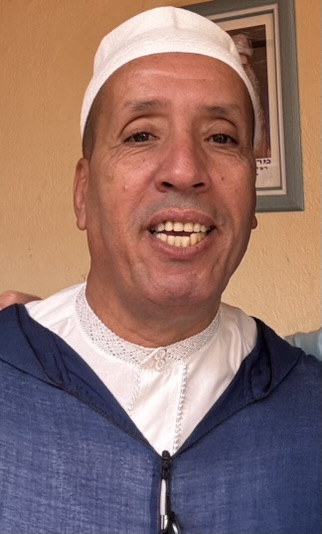
I looked desperately for any rabbinic opinion that might say otherwise.
No luck. And it looked like no dinner.
Our Israeli tour leader, Dahveed, our Moroccan guide, Ahmed, the restaurant owner, and I were now having a somewhat animated conversation.
I think I hid it from the group at that time.
The owner said he had no alternatives; the dish was already being prepared for all 45 of us.
Somewhere along the line, the communication had gone awry.
Meanwhile, 45 hungry people were expecting dinner.
I asked: “Maybe you have something else? Sardines?”
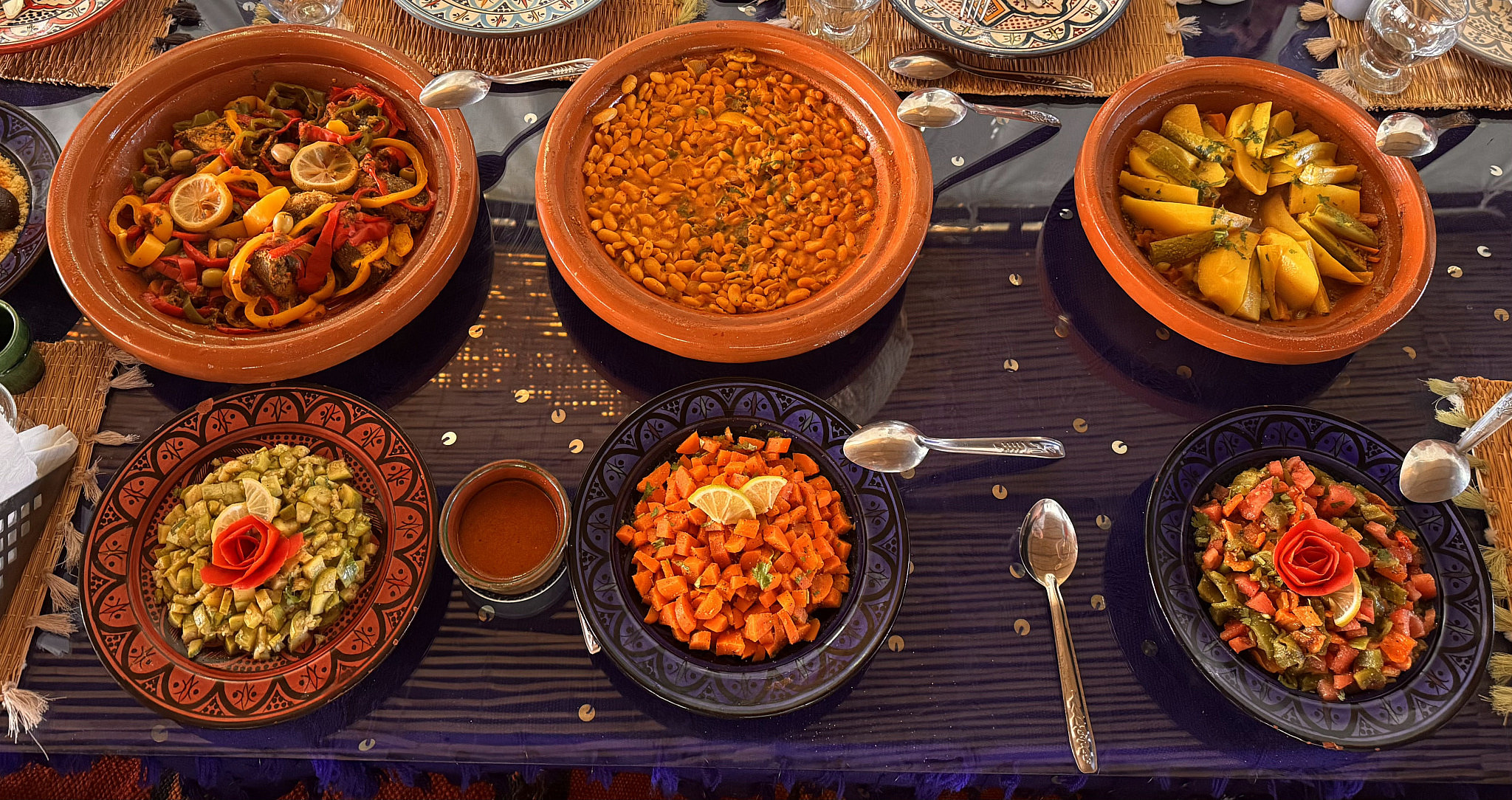
The vegan harira — the classic Moroccan tomato-and-spice soup — was coming out, but time was running out.
How were we going to save this dinner?
*****
Our trip through the Andalusian peninsula of Spain and Portugal and into North Africa was a deep dive into our people’s history.
Jews have been in Spain for likely 2,000 years, and many came to North Africa as early as after the destruction of the First Temple, according to some scholars.
It wasn’t always perfect.
There were moments of great flourishing and moments of deep challenge.
For example, we encountered both while tracing the life of Moses Maimonides — perhaps the greatest Jewish thinker since the first Moses.
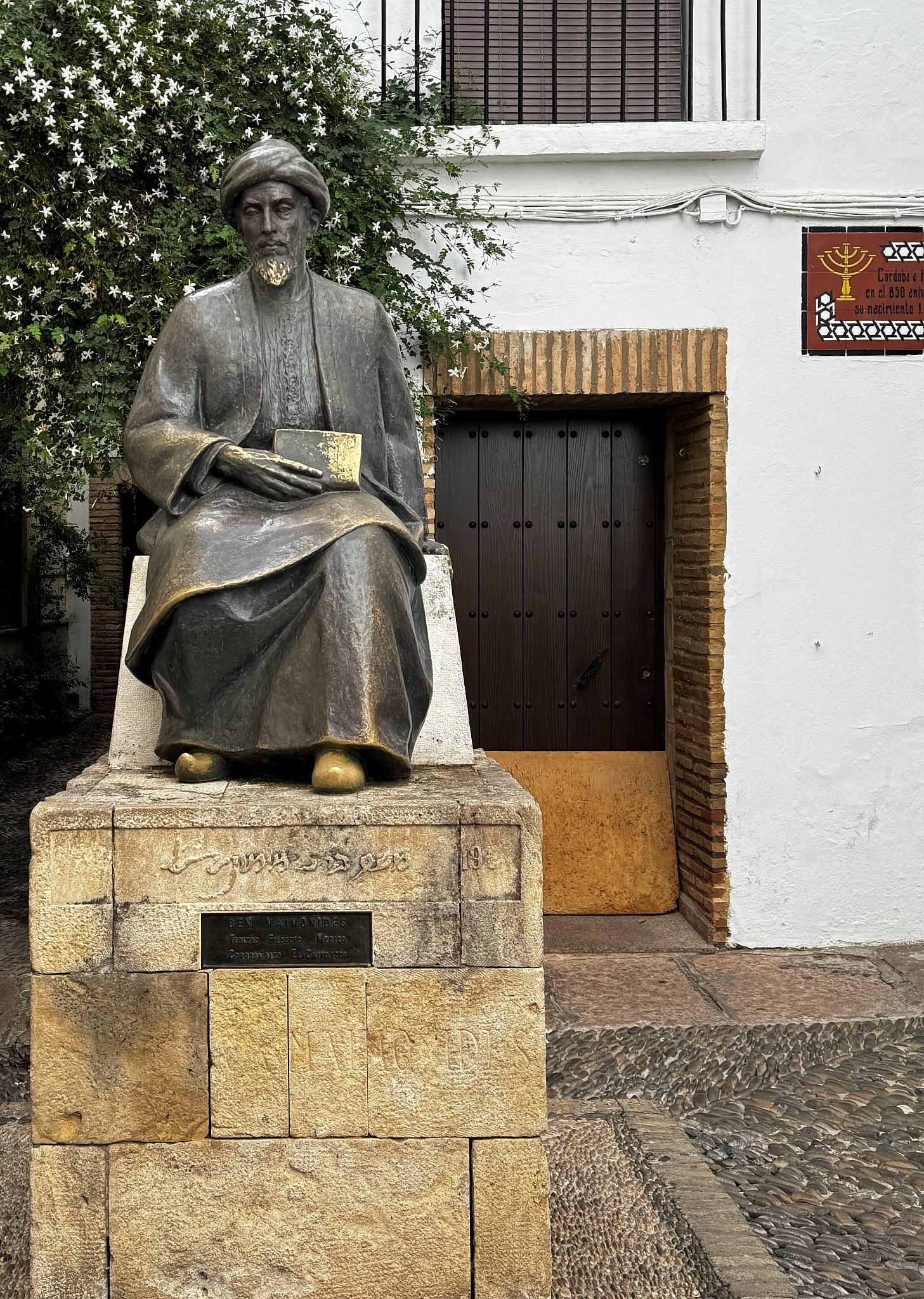
Rambam was a towering philosopher, an extraordinary legal scholar, the author of famous letters to Jewish communities across the world, and a leading physician.
Born in Córdoba in 1138, he grew up in a rich environment of Jewish study and secular culture. We walked the Jewish quarter where he grew up, visited a synagogue named in his honor, and stood where he lived and learned.
But in 1148, the Almohads — a strict and intolerant Muslim dynasty — took over the region and imposed harsh policies on religious minorities. Maimonides’s family fled to Morocco, eventually settling in Fez, where he continued his learning and where we also visited.
His is one of many stories of Jews expelled from Spain and Portugal (1492 for Spain) who spread throughout the Mediterranean and beyond.
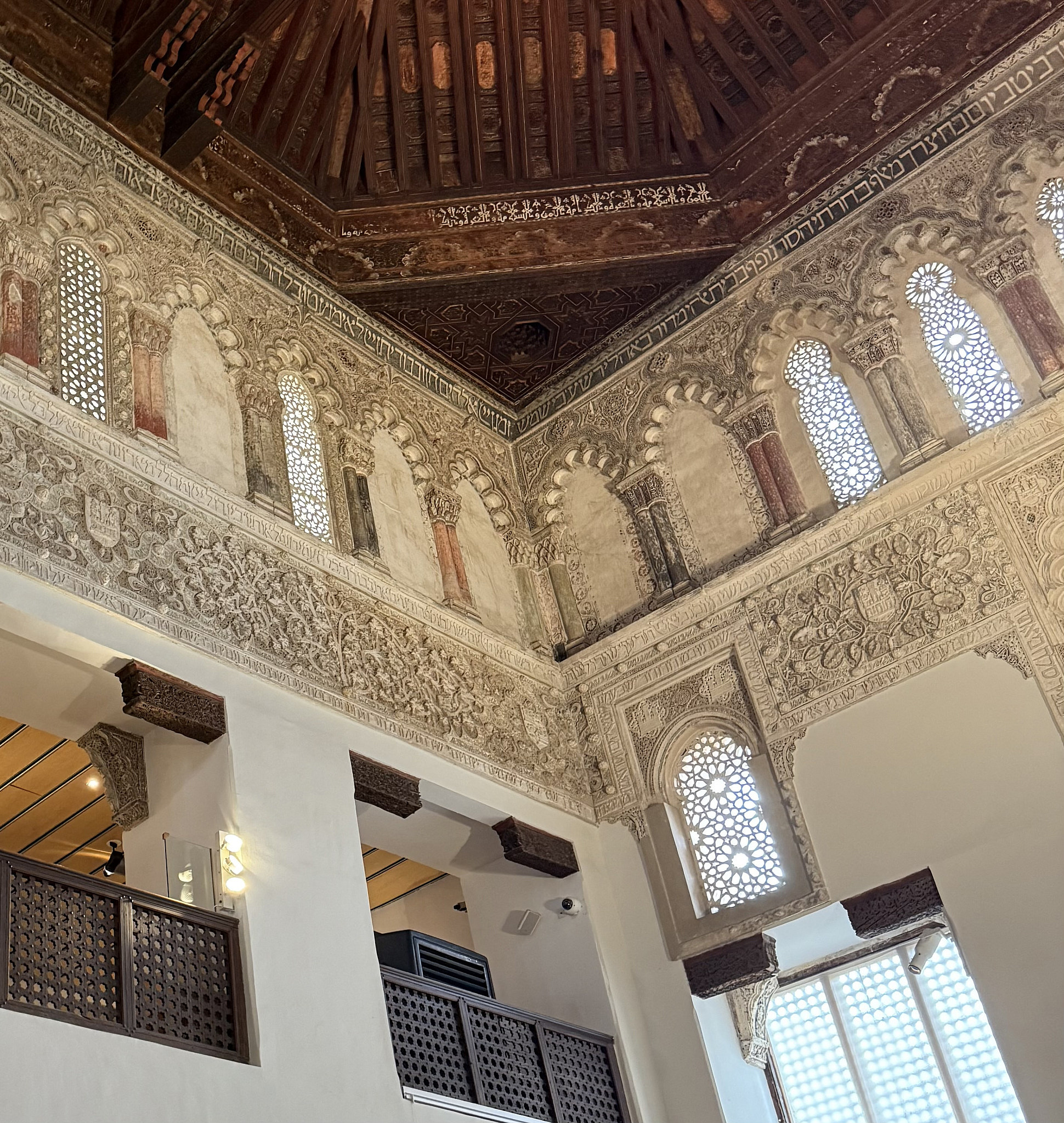
One of our travelers, Allison Cook, traces her ancestry to the Jews of Monastir, who trace their roots back to Toledo and, after the 1492 expulsion, her family ended up in Macedonia.
Our Jewish story is complex and rich — wandering and rooted, fragile and resilient.
During the so-called “Golden Age,” when Jews, Muslims, and Christians coexisted in Spain, Jews not only created vibrant Jewish life but also contributed broadly to society.
Jews served as advisors, shaped culture, wrote poetry, and were leading thinkers in science, medicine, translation, and philosophy.
All that made the later waves of Christian antisemitism — forcing Jews to flee — so devastating.
And similarly, in Muslim lands, though Islam traditionally granted Jews the protected status of dhimmis, tolerance was not always consistent.
In Morocco, we visited neighborhoods called mellaḥs. The word comes from the Arabic melḥ — salt — because Jews were often involved in the salt trade.
These quarters were typically near royal palaces or governorships, and Jews sometimes rose to influential positions.
Although many Jews left Morocco after the birth of the State of Israel, and for other reasons, including significant local tensions, a small but vibrant Jewish community persists.
We experienced that with our own eyes.
Morocco’s 2012 constitution explicitly recognizes the Jewish components of the nation’s heritage — remarkable for a Muslim-majority country.
“The Kingdom of Morocco intends to preserve, in its fullness and diversity, its one and indivisible national identity, forged by the convergence of its Arab-Islamic, Amazigh and Hassani Saharan components, nourished and enriched by its African, Andalusian, Jewish (hébraïque) and Mediterranean influences.”
And the recent Abraham Accords have opened new lines of friendship, which we felt with our guide Ahmed, who led us with love and openness.
What a model — and what a vision — of coexistence.
*****
This week’s Torah reading contains this vision as well — almost 4,000 years old.
The Torah reminds us that Isaac and Ishmael are, at their core, brothers.
Their estrangement is not of their own making; it emerges from the conflict between their mothers, Sarah and Hagar, and the painful decisions of their parents.
Yet when Abraham dies, the Torah says:
“Abraham breathed his last… And his sons Isaac and Ishmael buried him.” (Genesis 25:8–9)
Our sages teach that Ishmael changed — shav b’teshuvah — he came to a place of maturity and returned (B’reisheet Rabbah 30:4).
And Isaac, too, must have grown: he chose to stand beside the brother who once threatened his place.
Their reunion can symbolize coexistence — two siblings walking together without hatred.
Jewish tradition sees Isaac as the ancestor of the Jewish people, and Muslims see Ishmael as their forebear because the Qur’an links Ishmael (Ismā‘īl) with Abraham — Ibrahim — as the son who partners with his father in sacred work.
Two brothers, two peoples, one story.
And then the Torah adds this amazing detail we sometimes miss:
Isaac settles at Be’er Laḥai Ro’i — “the well of the Living One who sees me.”
This is the same well where Hagar, cast out and despairing, encountered God and found water that saved Ishmael.
Where God says: “Do not fear… God has heard the voice of the boy where he is.”
Isaac choosing to live there is profound: he situates his life at the place where his brother was seen, heard, and upheld by God.
I love how the Torah lets their lives touch the same sacred ground – each one of them is in the story.
Coexistence begins with that — making space for another’s story.
*****
Back to the fish-storm: after a tense few minutes, it turned out the owner found some St. Peter’s fish — which can be kosher, depending on the species — and the restaurant, not sure how, procured enough from a local fishmonger in record time.
When the tagine lids were lifted, there was our kosher fish dinner.
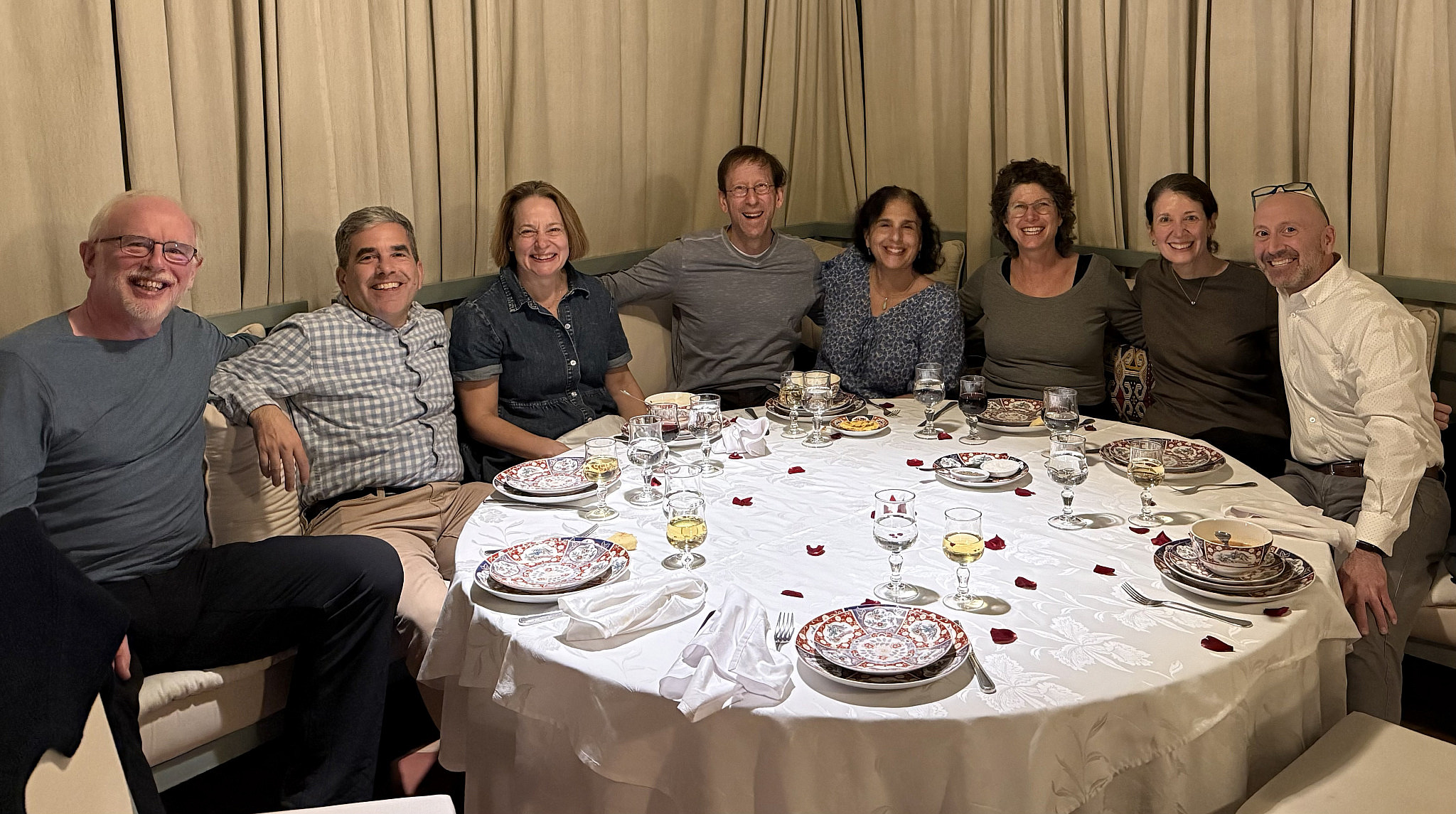
Many people worked behind the scenes — our Israeli staff, our Muslim Moroccan guide, Ahmed, and the restaurant owner.
Sending pic to insert
A simple moment of cooperation — not a grand political reconciliation, but an act of respect and shared purpose.
This is the kind of shared future Jews and Muslims need: coexistence, shared meals, shared respect, shared space.