


Gaza: Turkey’s mistake
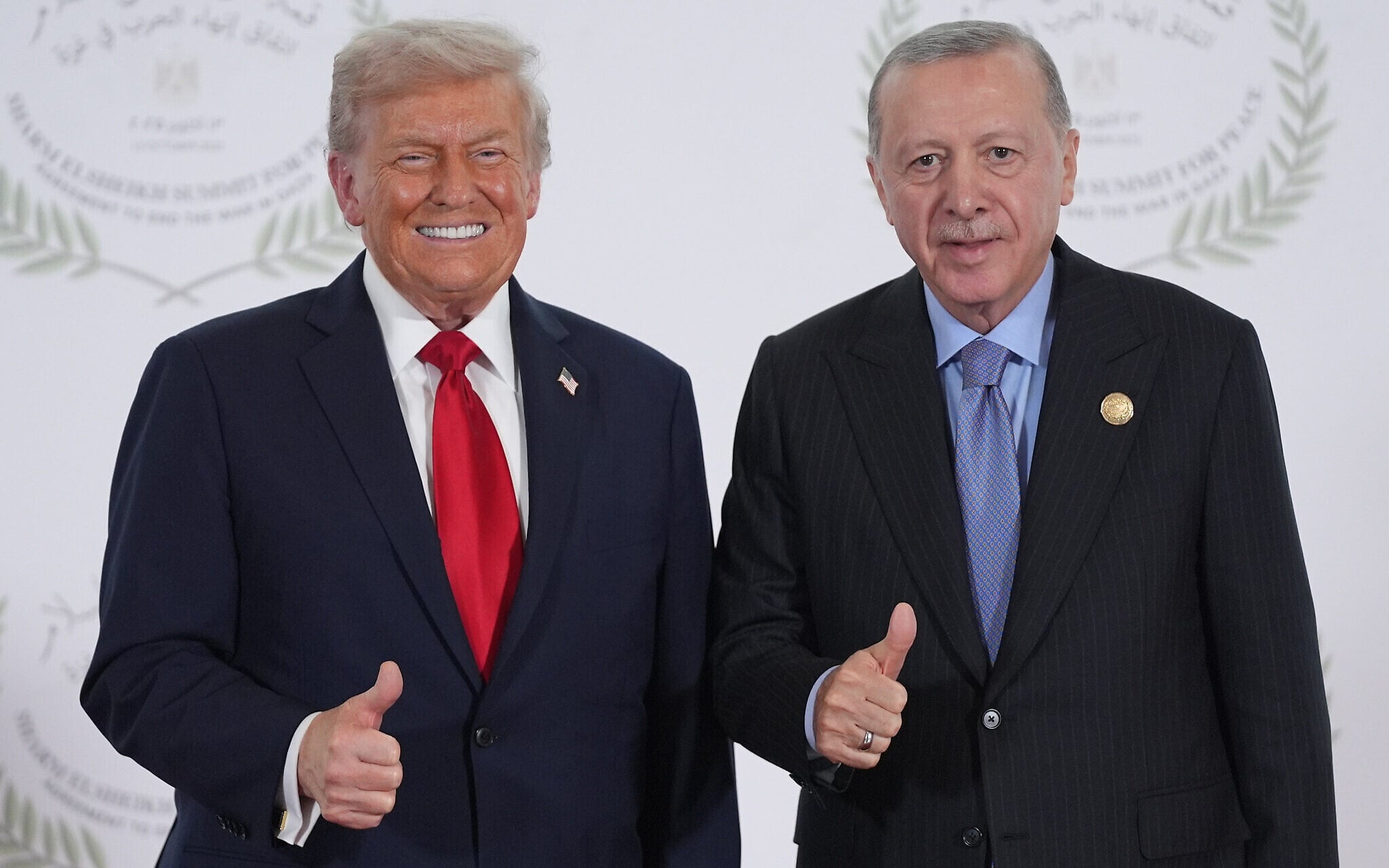
Inviting Turkey to peacekeeping in Gaza: an American strategic mistake
The idea of associating Turkey with a peacekeeping mechanism in Gaza may, initially, look like it fits into the category of political pragmatism. Ankara could be considered a good middleman because it is an important regional power, a member of NATO, and has good relations with many of the main players in this conflict. But when you look more closely, this decision shows a deep strategic inconsistency and poses major risks for any long-term stabilization of Gaza.
The first difficulty lies in the total absence of Turkish neutrality. For many years, Ankara has made it clear that it condemns Israel, both in its political speeches and in the foreign decisions it has made. There is no doubt or ambiguity about the political backing for Hamas. Under these circumstances, entrusting Turkey with the role of peacekeeper would be comparable to choosing an ideologically committed actor as arbiter. However, experience demonstrates that peacekeeping can only succeed if all parties perceive the involved forces as impartial.
Beyond the Israeli-Palestinian conflict, Turkey has a specific regional goal. Under Erdoğan’s presidency, Ankara seeks to establish itself as the central power of the Sunni Middle east , Islamo-political leadership, and strategic affirmation. Gaza, in this context, can become a major political lever. Participating in an international ‘peace’ arrangement would allow Turkey to strengthen its regional status, stand as a defender of the Palestinians, and consolidate its influence in a highly mediatized space. Peace then becomes an instrument for projecting power, not an end.
To this is added the permanent balancing act of Ankara on the international scene. Turkey is both a member of NATO and a strategic partner of Russia, an interlocutor with the West and a critical actor in its decisions, and a formal ally but an unpredictable partner. This “multi-alignment” diplomacy allows Ankara to maximize its room for maneuver, but it weakens any attempt to build a coherent and reliable security framework. In a theater as explosive as Gaza, this ambiguity becomes an additional factor of instability.
The signal sent to Israel is also problematic. Including Turkey in a security mechanism amounts, from an Israeli perspective, to institutionalizing the presence of a player perceived as hostile. This undermines trust, a central element of any post-conflict architecture. Worse still, this can be interpreted as an indirect reward given to a camp that has, through violence, succeeded in imposing a new diplomatic balance. A lasting peace cannot be established on an ongoing sense of insecurity for one of the conflict’s primary protagonists.
Why, then, is the United States considering such an option? The answer lies less in conviction than in management logic. Washington can see in the participation of Turkey a way to contain it, to integrate it into a multilateral framework to avoid even more destabilizing unilateral initiatives. It is also about maintaining an indirect channel with actors that the United States cannot or does not want to contact directly. This approach is a tactical calculation, not a long-term strategic vision.
Finally, inviting Turkey to keep the peace in Gaza confuses influence and neutrality. While Ankara is a major regional player, this does not qualify it as a reliable sponsor of stability. Peace cannot be entrusted to those who see it as a field for strategic expansion. By seeking to manage short-term diplomatic balances, the US risks undermining the very foundations of a lasting peace, already fragile in a region where miscalculations are rarely without consequences.