
Getting up to speed: The Abraham Accords – More relevant than ever
A New-Old Framework for Peace
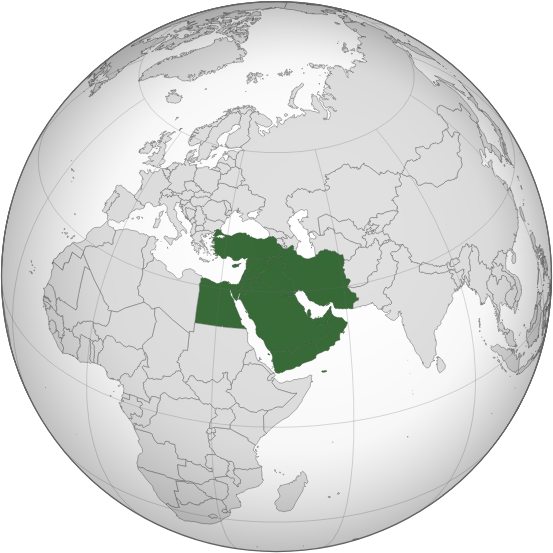
Five years ago, something shifted in the Middle East. Israel normalized relations with the UAE and Bahrain, followed by Morocco and Sudan. This month, Kazakhstan joined as the latest partner. These agreements, collectively known as the Abraham Accords, replaced decades of stagnation with something tangible and real.
Kazakhstan’s President Kassym-Jomart Tokayev was blunt about why his country signed on: “This means that we will get certain dividends from the point of view of economic cooperation.” Secretary of State Marco Rubio explained that the Abraham Accords create “a partnership that brings special and unique economic development on all sorts of issues.”
The economic benefits showed up immediately. The same day Kazakhstan joined, the country signed a landmark memorandum with the United States on cooperation in critical minerals. Kazakhstan’s flag carrier Air Astana announced an order for up to 15 Boeing 787-9 Dreamliner aircraft, potentially growing to 18 aircraft worth approximately $7 billion. Boeing stated the deal will support more than 20,000 U.S. jobs.
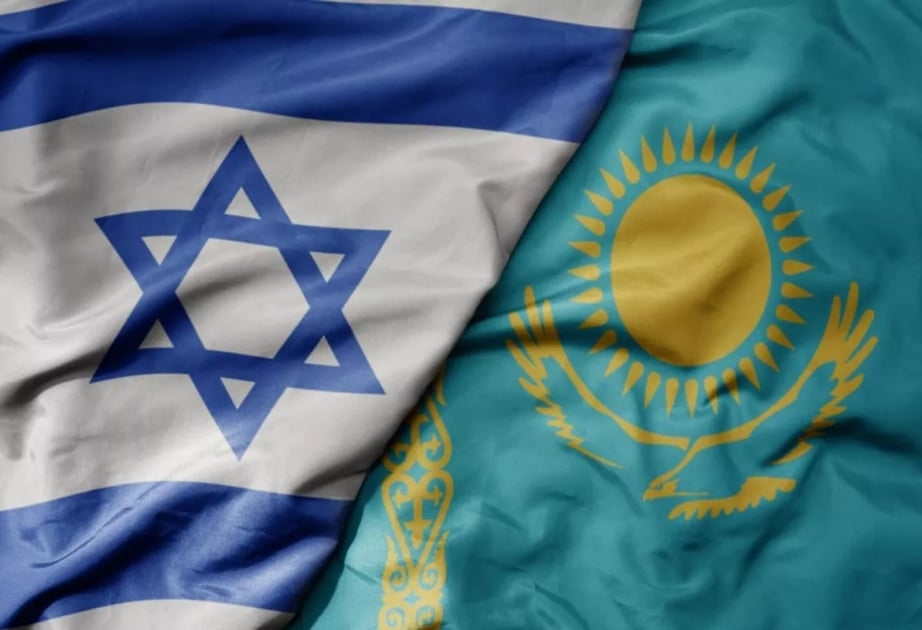
For Washington, this matters. America needs reliable access to critical minerals to compete with China. American aerospace companies need customers. American workers need jobs. The Abraham Accords framework delivers these benefits. Kazakhstan gets American investment in their vast mineral resources and high-tech industries, access to expanded trade networks, and technology partnerships with Israel. America gets strategic access to rare earth minerals (Kazakhstan’s Kuyrektykol deposit contains an estimated 800,000 tonnes, which could place it among the world’s top 10 producers), major contracts for American companies, and stronger economic partnerships in Central Asia.
This is the pattern. Nations join the Abraham Accords because it advances their concrete economic interests: access to markets, technology, investment capital, and better relationships with key partners. The agreements work not through ideology but through delivering actual benefits.
Menachem Begin Understood This First
The Abraham Accords build on foundations from decades earlier. In 1979, Prime Minister Menachem Begin achieved what many thought impossible: peace with Egypt, the Arab world’s most populous and influential nation. Begin understood that choosing Egypt as Israel’s first peace partner would transform regional dynamics.
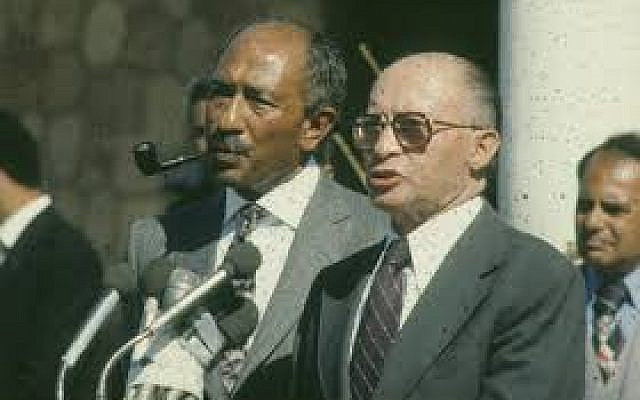
But Begin also knew that peace required more than diplomatic signatures. In his address to the Egyptian people, he said: “Let us not only make peace, let us also start on the road to friendship, sincere and productive cooperation. We can help each other. We can make the lives of our nations better, easier, happier.”
The Camp David Accords reflected this. Beyond security arrangements and diplomatic recognition, the treaty established frameworks for trade, tourism, and cultural exchange. Begin knew that interconnected economies create constituencies for peace that survive political turbulence.
The Egypt-Israel relationship, while sometimes cool, has lasted over four decades precisely because both nations benefit from stability. Trade flows, energy cooperation, and security coordination give both governments practical reasons to maintain peace. This model proved that Arab-Israeli peace could work when grounded in mutual interest.
Trump Revived and Expanded the Vision
President Trump and his administration took Begin’s insight and ran with it. Where decades of conventional diplomacy had stalled, the Trump administration recognized that economic incentives could break through ideological resistance. Rather than demanding territorial concessions as preconditions for normalization, they emphasized mutual prosperity, technological cooperation, and shared strategic interests.
The approach worked for American interests. The Abraham Accords create economic opportunities for American companies, strengthen America’s strategic position against Iran and China, and build a coalition of partners that share intelligence and coordinate on regional security. Arab states get access to Israeli innovation and enhanced security cooperation. Israel gets normalization and integration into the region. America gets strategic partnerships, economic benefits, and a more stable Middle East that reduces the need for direct American military involvement.
This framework rejected the failed assumptions that had paralyzed regional diplomacy for generations. By prioritizing economic integration and strategic partnerships, the Trump administration created momentum that continues reshaping the Middle East in ways that serve American interests.
What It Looks Like in Practice
Before the Abraham Accords, Israel had formal peace with only Egypt and Jordan, relationships marked by minimal diplomatic warmth and limited cooperation beyond security. The Abraham Accords changed this completely.
Direct commercial aviation now connects Tel Aviv to Dubai and Abu Dhabi. Bilateral trade between Israel and the UAE jumped from nearly nothing to over $2 billion within three years. Israeli technology firms established regional headquarters in Gulf capitals, while Emirati capital flowed into Israeli innovation sectors. Cultural and academic exchanges created networks beyond government relations.
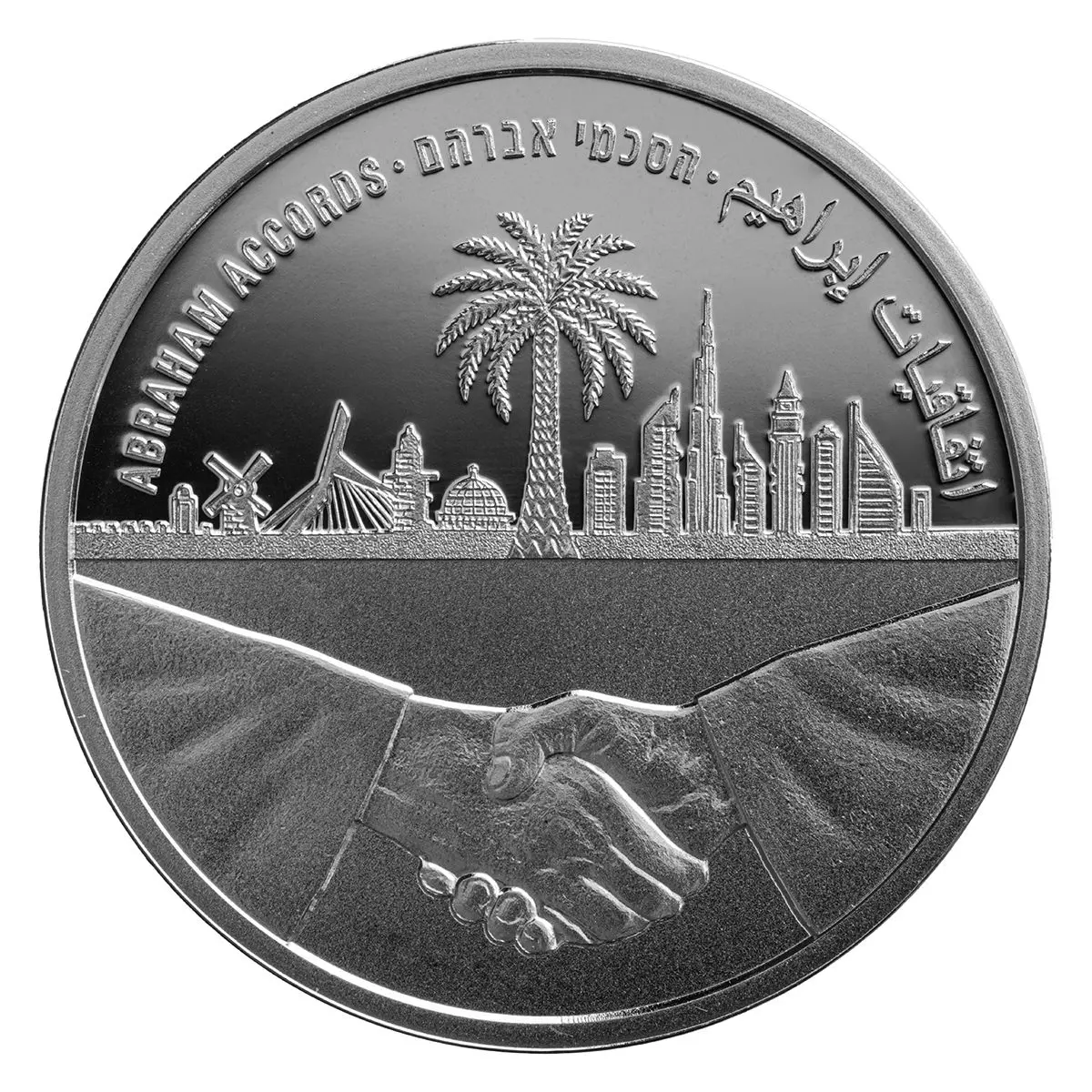
The strategic picture matters too. These agreements created a coalition of states united by shared concerns, particularly regarding Iranian regional ambitions. Intelligence cooperation deepened. Military contacts expanded. These partnerships emerged without requiring Israeli territorial concessions.
The economic fit makes sense. Gulf states need Israeli expertise in water technology, precision agriculture, cybersecurity, and defense systems. Israel needs expanded markets and foreign investment. This mutual dependence creates stability that rhetoric alone never could.
Tested and Proven
The accords faced their biggest test after the October 2023 Gaza conflict. Abraham Accords signatories maintained diplomatic and economic ties with Israel, even amid public criticism. This persistence shows the depth of strategic alignment underlying these relationships.
Commercial integration continues accelerating. Cross-border investments multiply. People-to-people exchanges have exceeded projections, with tens of thousands traveling between Israel and Abraham Accords nations. These human connections create constituencies with real interests in preserving cooperation.
The agreements also redefined what’s diplomatically possible. They showed that Arab states can normalize relations with Israel, with no preconditions. This reality has shifted calculations in Riyadh, where Saudi officials maintain ongoing discussions with both Washington and Jerusalem regarding potential normalization.
The Saudi Opportunity
Saudi normalization represents the critical next phase. Riyadh controls the Arab world’s largest economy and wields significant religious authority as custodian of Islam’s holiest sites. A Saudi-Israeli agreement would reshape regional power structures, create a counter-Iran coalition, and potentially trigger additional normalizations. For America, Saudi normalization would strengthen the coalition against Iranian influence, secure critical economic partnerships, and further stabilize the region.
Discussions continue, driven by converging strategic interests. Like the UAE and Bahrain before them, the Saudis can acknowledge that Israeli sovereignty over the land of Israel is central to Israeli security concerns, and that peace must accommodate these realities.
Deepening existing partnerships needs sustained attention. The current Abraham Accords relationships require continuous investment to reach their full potential. Expanded aviation links, increased joint ventures, enhanced educational collaboration, and growing tourism flows all strengthen mutual interest.
Regional infrastructure development offers real possibilities. Think interconnected power grids leveraging Israeli solar innovation. Joint desalination and water management projects addressing shared challenges. Coordinated cybersecurity frameworks. A regional technology hub pooling talent from Jerusalem, Dubai, and eventually Riyadh. These initiatives transform abstract peace into concrete interdependence.

Rethinking Old Assumptions
Conventional diplomatic wisdom long held that Arab-Israeli peace required first resolving the issue of palestinian Arabs living in the Land of Israel. We now know that this only solidified the impasse, and it is the Abraham Accords that proved this assumption wrong. The UAE, Bahrain, Morocco, and Sudan normalized relations with Israel without any such resolution. They acted on national interest: economic opportunity, strategic alignment against Iran, technological cooperation. The Arabs in the Land of Israel were neither consulted nor granted veto power. The search for a so-called two-state-solution had, for decades, denied this region’s advance towards real peace.
Arab states have consistently prioritized other concerns over palestinian Arab welfare. Saudi Arabia publicly conditions normalization on progress regarding the palestinian Arabs, yet maintains extensive covert security cooperation with Israel focused on the Iranian threat. Their actual priorities (economic diversification, countering Tehran, acquiring advanced military capabilities) often matter more than rhetorical commitments.
Qatar provides a clear example. Doha positions itself as the palestinian Arabs’ champion while funding Hamas with billions. Qatar harbors Hamas leadership, providing safe haven for those who orchestrate terrorism. The October 7 massacre that claimed 1,200 Israeli lives was planned by men residing in Doha. This isn’t palestinian Arab advocacy but weaponizing their grievances for Qatari regional ambitions, particularly in competition with Saudi Arabia and the UAE.
The pattern extends throughout the Arab world. Egypt has kept borders with Gaza sealed for years. Jordan revoked citizenship from most palestinian Arabs. Lebanon confines them to camps with restricted rights. Kuwait expelled hundreds of thousands following the Gulf War. Had Arab states genuinely prioritized palestinian Arab wellbeing, they would have integrated refugees decades ago, as Israel did with Jewish refugees expelled from Arab lands.
Territory and Security
Any sustainable regional order must address territorial realities honestly. The land of Israel, including Judea and Samaria, must remain under Israeli control. The security logic is straightforward: these highlands overlook Israel’s coastal plain, where most of the population lives. Ben Gurion Airport, major cities, critical infrastructure all lie within artillery range from these mountains. No Israeli government can give up this strategic depth.
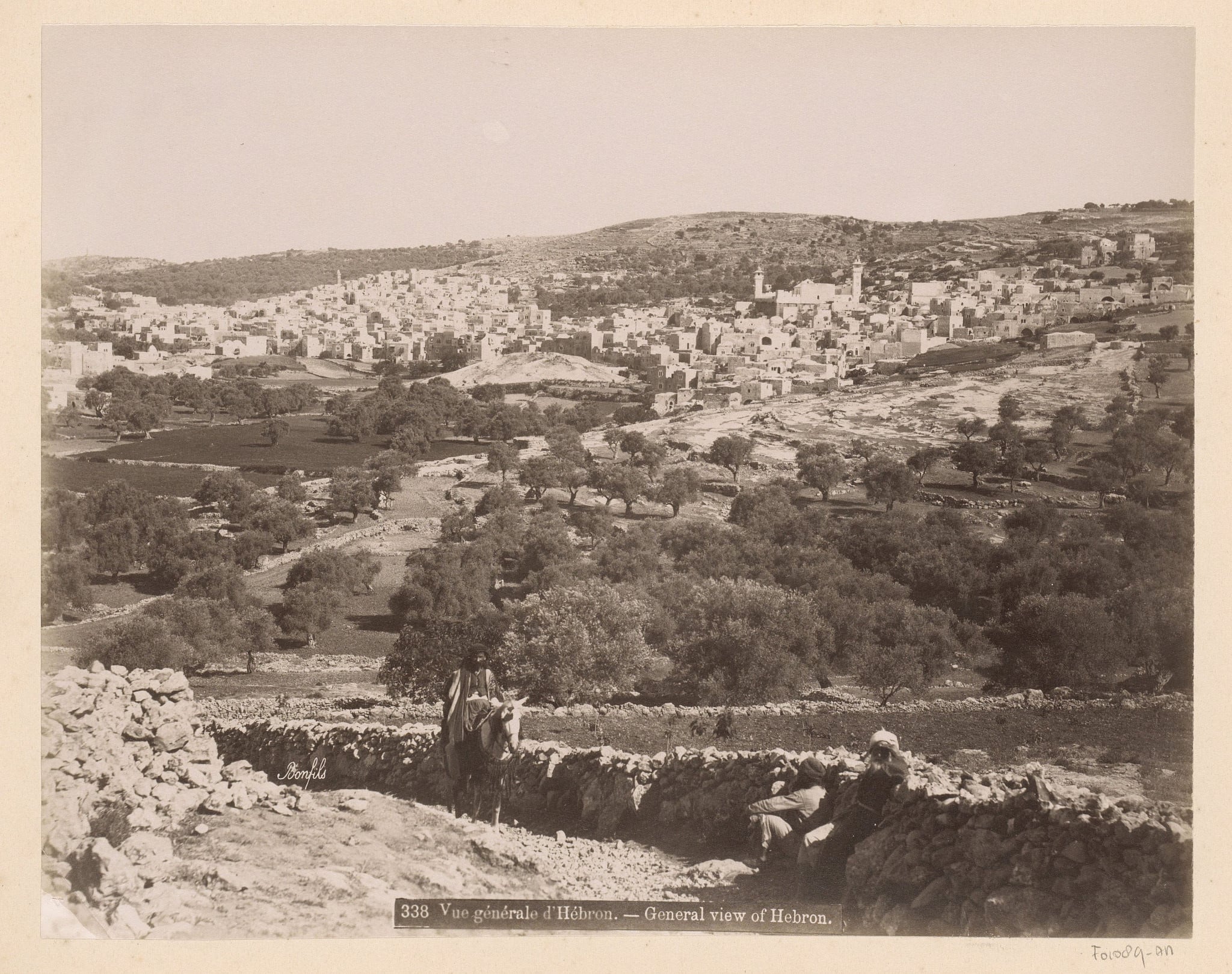
The claim goes beyond security. Judea and Samaria represent the geographic core of Jewish historical experience. Hebron, where Abraham purchased the Cave of Machpelah. Shiloh, site of the Tabernacle. Beit El, where Jacob dreamed of angels. Our home in Gush Etzion, nestled along the historic route between David’s Bethlehem and Abraham’s Hebron. These are sites where Jewish ancestors lived for millennia. The Jewish connection to these lands precedes modern Arab conquest.
Religious freedom for all faiths requires Israeli sovereignty. The Temple Mount, Judaism’s holiest site and significant to Christians, remains under Jordanian custodianship per 1967 agreements. Non-Muslims face severe restrictions: limited visiting hours, no prayer permitted, religious texts confiscated. Jews cannot pray at their most sacred location. Christians face similar prohibitions.
This contrasts sharply with Israeli administration of other holy sites. Bethlehem’s Church of the Nativity, Nazareth’s Basilica of the Annunciation, Jerusalem’s Church of the Holy Sepulchre all receive millions of Christian pilgrims annually under Israeli protection. Jerusalem’s Western Wall welcomes Jewish worshippers daily. Bahá’í gardens flourish in Haifa. Only under Israeli sovereignty do all religions enjoy genuine access and protection.
Abraham Accords signatories understand these realities, even if diplomatic protocols prevent explicit acknowledgment. They recognize that a strategically secure Israel contributes to regional stability, while an Israel forced into indefensible borders invites aggression. Gaza’s transformation into a terrorist launching pad after Israeli withdrawal in 2005 provided a clear lesson.
What Works Locally
The Abraham Accords model offers lessons for Judea and Samaria. Economic cooperation builds peace more effectively than political pressure. SodaStream’s factory in the Barkan industrial zone once employed hundreds of Arabs and Jews working side by side, with Arab workers earning competitive wages and benefits. When international boycott campaigns forced the company to relocate to the Negev in 2015, Arab families lost their livelihoods. The campaign’s architects celebrated this as a victory for palestinian Arab rights while the actual people they claimed to champion lost their jobs.
Similar patterns keep recurring. Israel proposed a wastewater treatment plant for the Arab town of Salfit to provide a cleaner environment for both Jewish and Arab communities in the region, improving public health conditions for everyone. European donors prohibited funding, calling it assistance to “settlers.” The plant was never built. Arab residents continue living with inadequate sanitation because international actors prioritized symbolic opposition over practical improvements, ones that the Israeli government seeks.
This approach perpetuates conflict. The Abraham Accords succeeded because Gulf states recognized that cooperation serves their populations better than confrontation. The same logic applies locally. Industrial zones, infrastructure projects, and economic partnerships in Judea and Samaria create shared prosperity. Arab workers in these areas understand this. They see the wages, the opportunities, the stability that comes from economic integration.
International pressure consistently undermines these organic partnerships. Every factory closure, every blocked infrastructure project, every boycott campaign makes peaceful coexistence harder. When Arab and Jewish families both depend on the same businesses, the same infrastructure, the same economic ecosystem, they have concrete reasons to maintain stability.
Moving Forward
For Israel, the Abraham Accords represent integration into its own region as a normalized state. Begin’s vision with Egypt showed that peace could work when built on solid foundations. The past five years validate an approach grounded in realism: regional stability emerges from recognizing shared threats and opportunities rather than forcing concessions that compromise security.
Challenges persist. Iranian adventurism continues. Regional tensions simmer. Yet the palestinian Arab issue, long presented as the insurmountable barrier to Arab-Israeli peace, has proven surmountable when states act on genuine national interests.
Israel must capitalize on this opening. Expanding the normalization circle, deepening existing partnerships, building cross-border infrastructure, and fostering local economic cooperation are the paths forward. The Abraham Accords created momentum. How Israel and its partners build on this foundation will determine the region’s trajectory for decades.
A realistic future
This is Israel’s opportunity to achieve what seemed impossible: acceptance not as a grudgingly tolerated presence, but as an integral part of a prosperous, interconnected Middle East. The Abraham Accords opened that door. Walking through it requires sustained commitment to the principles that made these agreements successful: mutual benefit, strategic realism, and recognition of Israeli security and sovereignty requirements. Let’s start here.