


Working to protect people and our shared planet.
Global Jewry Unites for Climate Action
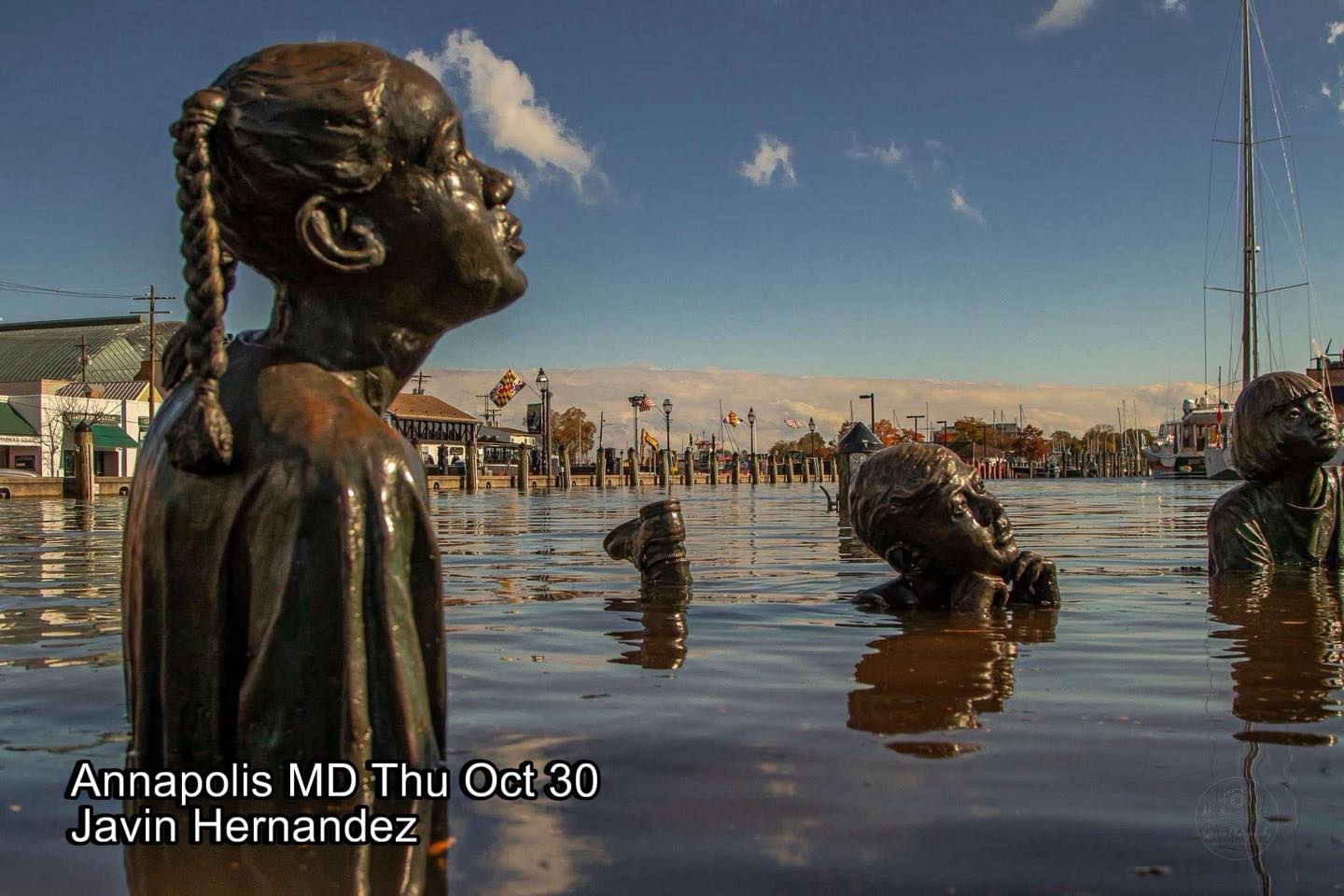
When Hurricane Milton devastated Jamaica this this past week, cutting power to hundreds of thousands, and leaving lives shattered—it was yet another urgent reminder that the climate and nature crisis is not a distant concern. From catastrophic flooding in Alaska, New York, and to Maryland—the evidence is overwhelming: the time for incrementalism has passed.
We must act boldly, and we must act now.
In this moment of escalating danger, Jewish communities across the world are uniting with moral clarity and purpose. The Global Jewry Declaration to COP30, released ahead of next year’s United Nations Climate Summit in Belém, Brazil, calls on all nations to make “urgent, ambitious, and just progress” to confront the intertwined crises of climate change and biodiversity loss.
This powerful initiative—brought together by Rafi Addlestone of Global Jewry has been endorsed by organizations including Adamah, Dayenu: A Jewish Call to Climate Action, Jewish Earth Alliance, Jewish Climate Network, EcoJudaism, Aytzim, GrowTorah, Repair the Sea – Tikkun HaYam, and EcoOcean, among others. The declaration roots its appeal in the heart of Jewish tradition. It reminds us that humanity was placed in the Garden of Eden “to work it and to guard it” (Genesis 2:15), that we are called to pursue Tikkun Olam (the repair of a fractured world), and that our faith commands us to “choose life” (Deuteronomy 30:19)—not only for ourselves, but for all generations to come.
This is not just theology—it is survival. According to recent polling, an overwhelming majority of Jews—across denominations and countries—rank the climate crisis among their very top moral and political priorities. In the United States, over 80% of Jewish voters say they are worried about the effects of extreme weather, pollution, and rising temperatures. In Israel, too, climate security has emerged as one of the leading public concerns, second only to national security threats. For Jews everywhere, the connection between protecting creation and protecting community could not be clearer.
The costs of inaction are staggering. In the United States alone, extreme weather events linked to climate change inflicted over $90 billion in damages in 2024, from hurricanes and wildfires to flooding and drought. Israel is also experiencing rising costs from prolonged heat waves, water scarcity, and damage to infrastructure and crops—undermining food security and public health. The World Bank estimates that unchecked climate impacts could wipe up to 18% off GDP in the Middle East and North Africa region by 2050. These are not abstract projections; they represent human suffering, lost livelihoods, and mounting inequality.
The Global Jewry Declaration calls on world governments to meet this challenge with justice and urgency. Specifically, it urges negotiators at COP30 to:
• Set science-based targets to keep global warming below 1.5°C;
• Protect and restore ecosystems that sustain all life;
• Provide adequate financing—in grants, not debt-inducing loans—for developing countries; and
• Ensure climate justice and intergenerational equity in all global agreements.
The declaration’s signatories also make their own commitments: to educate, mobilize, and lead by example within Jewish institutions worldwide. From greening synagogues and summer camps to advocating for clean energy and sustainable food systems, these groups are putting Jewish values into action—demonstrating that protecting creation is both a sacred duty and a social responsibility.
As Hurricane Milton, the devastating floods in Alaska, New York, and Maryland, and countless other disasters remind us, we are living through a defining moment. The Torah’s commandment to “choose life” is not metaphorical—it is a mandate for moral courage and global cooperation.
The Global Jewry Declaration ends with a call that resonates deeply:
“The stakes could not be higher. Let us choose life together.”
May our leaders—and all of us—rise to meet that sacred call.