


Globalize the peace, not the intifada
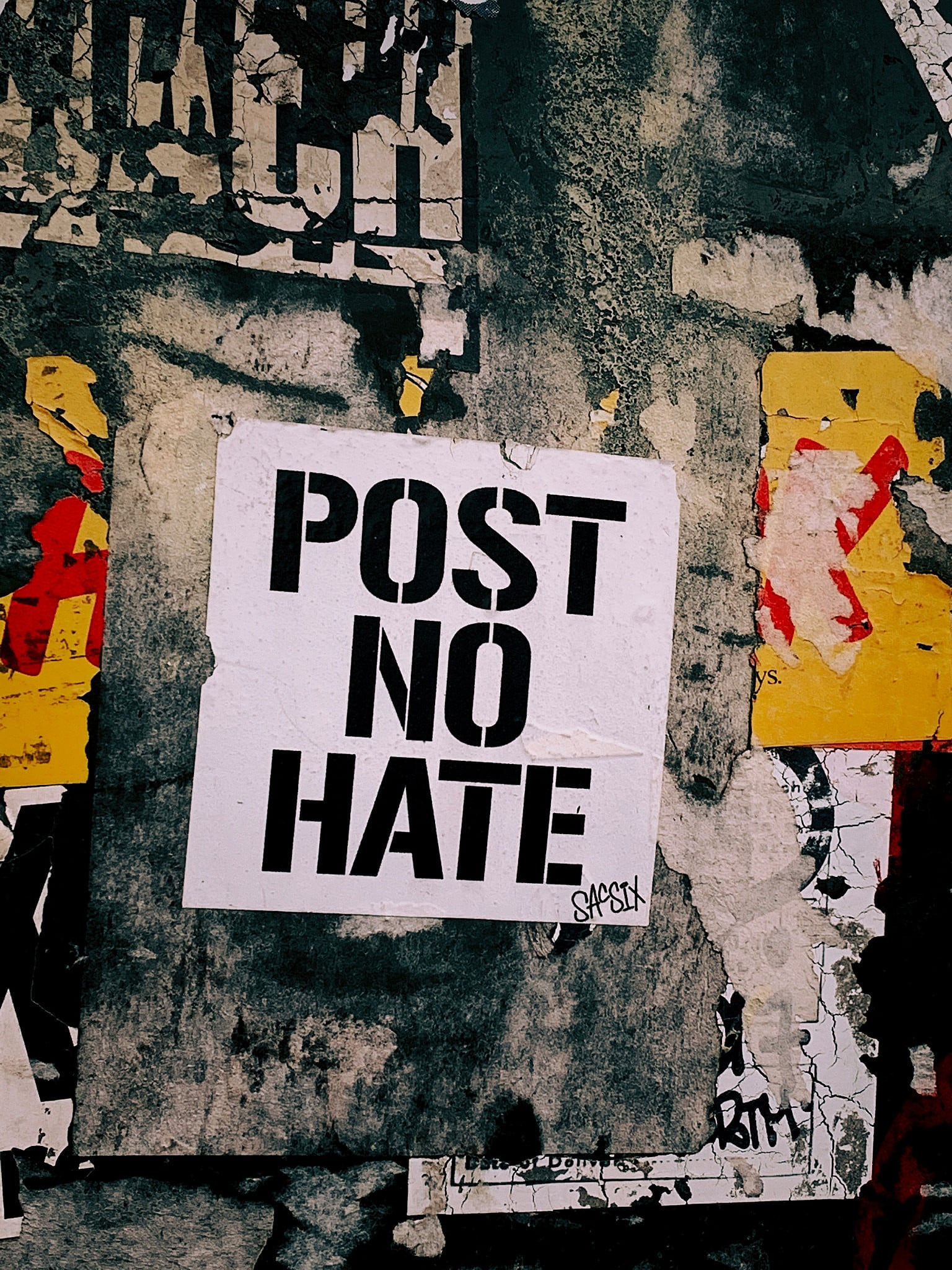
Changing the hate speech and slogans in 2026.
Following the horrendous shooting attack on Bondi Beach, some have been calling for a ban on some of the campaign slogans that created a climate of hatred against Jews worldwide. While slogans that incite hatred against a whole people should have no place in society, I’m not sure that the perpetrators of the recent terror attacks were influenced by protestors. For Jihadists, ultra-right, and ultra-left haters, the roots of antisemitism or anti-zionism go much deeper, and need to be tackled on many levels: better education, interfaith work, increased security, and proactive operations to locate and arrest potential terrorists.
That said, here are some ideas on how we can transform one-sided speech into messages that can calm, rather than ignite, the flames of hate.
Globalize the Intifada > Globalize the Peace
The slogan ‘Globalize the Intifada’ originated from the pro-Palestinian protests in the New York area. It’s unclear whether the phrase originated before October 7 or just after, but by November 2023, it had been posted on Instagram with a map of Manhattan by the group ‘Within Our Lifetime’ (WOL). Founded in 2015 and currently led by former human rights student Nerdeen Kiswania, WOL describes itself as an anti-zionist activist movement. After October 7, WOL did not condemn the attack by Hamas but said it supported Palestinian liberation by “whatever means necessary”. It has also staged anti-Israel protests outside the Nova massacre exhibition in New York, chanting “Long live October 7”.
So, now we know who’s behind the slogan, we can see that its motives are not about peaceful resistance. Intifada in Arabic means to shake off; shudder, shiver, tremble, or to wake up. However, the Second Intifada (2000-2005) was characterised by suicide bombings that killed hundreds of people on buses or outside cafes and nightclubs. Why would we want to globalize suicide attacks? ‘Globalize the intifada’ is deliberately asking its followers to spread violence and hatred. Therefore, those who call themselves ‘peace activists’ cannot justify using such language and participating in marches where this language is used. Globalizing the terror or hatred will not help anyone, Palestinians or Israelis; instead, anti-war protestors need to globalize a movement of ‘Salaam, Shalom, Peace’. This leads us to our next slogan…
One Solution, Intifada Revolution > One Solution, Interfaith Education
Originating from the same pro-Palestinian protests, this controversial phrase also deliberately presses a few buttons. First, ‘One Solution’ brings to mind the ‘Final Solution’: the plan orchestrated by the Nazis of Germany for the mass murder of Jews in the Holocaust. Secondly, ‘Intifada Revolution’ calls for a revolution, presumably in the West, that moralizes violence against Israelis and Jews, as long as it is part of this ‘solution’.
Supporters justify this language as an uprising against occupation, but it is clearly one of the most antisemitic slogans out there. By the way, the term ‘antisemitism’—coined in 1879 by the German journalist Wilhelm Marr to sound scientific—is also problematic. Perhaps we should stop beating about the burning bush and call it what it is: Judenhass (Jew-hatred).
By simplifying the ‘solution’ in a catchy rhyme, it misses the point. The Israeli-Palestinian conflict is one of the most complex conflicts, so resolving it will require multiple solutions. Unfortunately, as there has been so much blood spilt over the years, it could take generations.
One of these numerous solutions will need to involve interfaith work. Interfaith education is vital as it shows people the ‘other side’ of the narrative. Understanding the other side shows the futility of the conflict. Both religions, Jewish and Muslim, literally share the same God and biblical roots.
Muslims need to learn about Jewish history and suffering: Kristallnacht, the Holocaust, the expulsion of Jews from the Middle East, the Farhud massacre in Iraq, and much more. This way, they may understand that the establishment of the state of Israel was not simply a ‘colonial’ or ‘imperialist’ takeover by some wealthy, white Europeans, but also a desperate refuge for people who literally had nowhere else to go.
Similarly, Jews need to learn about Arab history and suffering: the Ottoman empire, what they call the ‘Nakba’, the Egyptian rule of Gaza, life under occupation, the mass displacement and loss of life.
On a more basic level, when children of different faiths and backgrounds play together from a young age, it’s harder for them to be brainwashed by radical ideologies.
Stop the War > Stop the Jihad or Stop the Hate
In the UK, the Stop the War Coalition was formed in 2001 after 9/11 and the War on Terror. It was a movement that led many of the anti-war protests in the build-up to the Iraq War in 2003. But since then, it has been mostly preoccupied with stopping arms sales to Israel and is affiliated with the Free Palestine campaign.
In the days of Bush and Blair, such a slogan might have been effective, but today the world is even more complex. In recent years, the West has also experienced horrific terror attacks: 7/7 in London, Manchester Arena, Paris Bataclan, Tree of Life Synagogue in Pittsburgh, Heaton Park Synagogue, Bondi Beach, and more. Apart from the Tree of Life shooting, all of these terror attacks were carried out by Islamic Jihadists.
Stop the War puts the blame firmly on Western powers, but we should also be very clear that we need to Stop the Jihad and Stop the Hate. This means opposing terrorist groups like ISIS, Hamas, and Hezbollah, as well as their backers, the oppressive regimes of Iran, Qatar, or Turkey.
Stand With Israel > Stand Together
On the flipside, much of the Jewish diaspora and small numbers of Christians have adopted the phrase ‘Stand With Israel’ since October 7. Although I understand their sentiment, it’s also an oversimplification of a complex issue.
Many Israelis themselves don’t stand with the current Israeli government of Netanyahu and his extremist coalition. There have been huge protests since 2022, when this coalition proposed sweeping legal reforms that protestors called undemocratic. So, simply ‘Standing with Israel’ isn’t enough.
It could be argued that the current government is tearing apart the fabric of the country, dividing Israelis, destroying its reputation worldwide, and making life more dangerous for Jews everywhere. It’s also the same government that was in power on October 7, which funded Hamas via its failed policy with Qatar and was also not prepared to defend the worst attack in Israel’s history.
‘Standing with Israel’ is also a one-sided stance that overlooks the Palestinian suffering. One of the fastest-growing grassroots groups since October 7 is Standing Together, which brings together Jews and Palestinians in support of peace, equality, and social justice.
Like other joint groups such as Combatants for Peace, Road to Recovery, and Women Wage Peace, Standing Together represents a change in the narrative. Anti-zionists want to destroy Israel, and religious Zionists want to destroy the two-state solution. But these peace groups recognise that no one is going anywhere soon and togetherness is the only viable long-term future.
‘Standing Together’ recognizes that both peoples’ futures are inextricably linked to each other, and there are two sides to this dual narrative:
Israel has a right to be safe; Palestinians have a right to their own state.
Of course, it’s not as simple as that either; to ensure Israel’s safety and achieve a Palestinian state, we need to dismantle and disarm Hamas. Plus, there’ll need to be a regional security alliance, but the end goal needs to be: ‘two states for two peoples’ living side by side in peace and cooperation.
In the future, Israeli tech and universities could work together with Palestinian tech and universities, but there’s much healing to do first, and major changes are needed in leadership and policy on both sides. Until then, we need to replace the slogans that separate our children and us with hate speech with those that will ‘increase the peace’.