
Grammaring with G-d
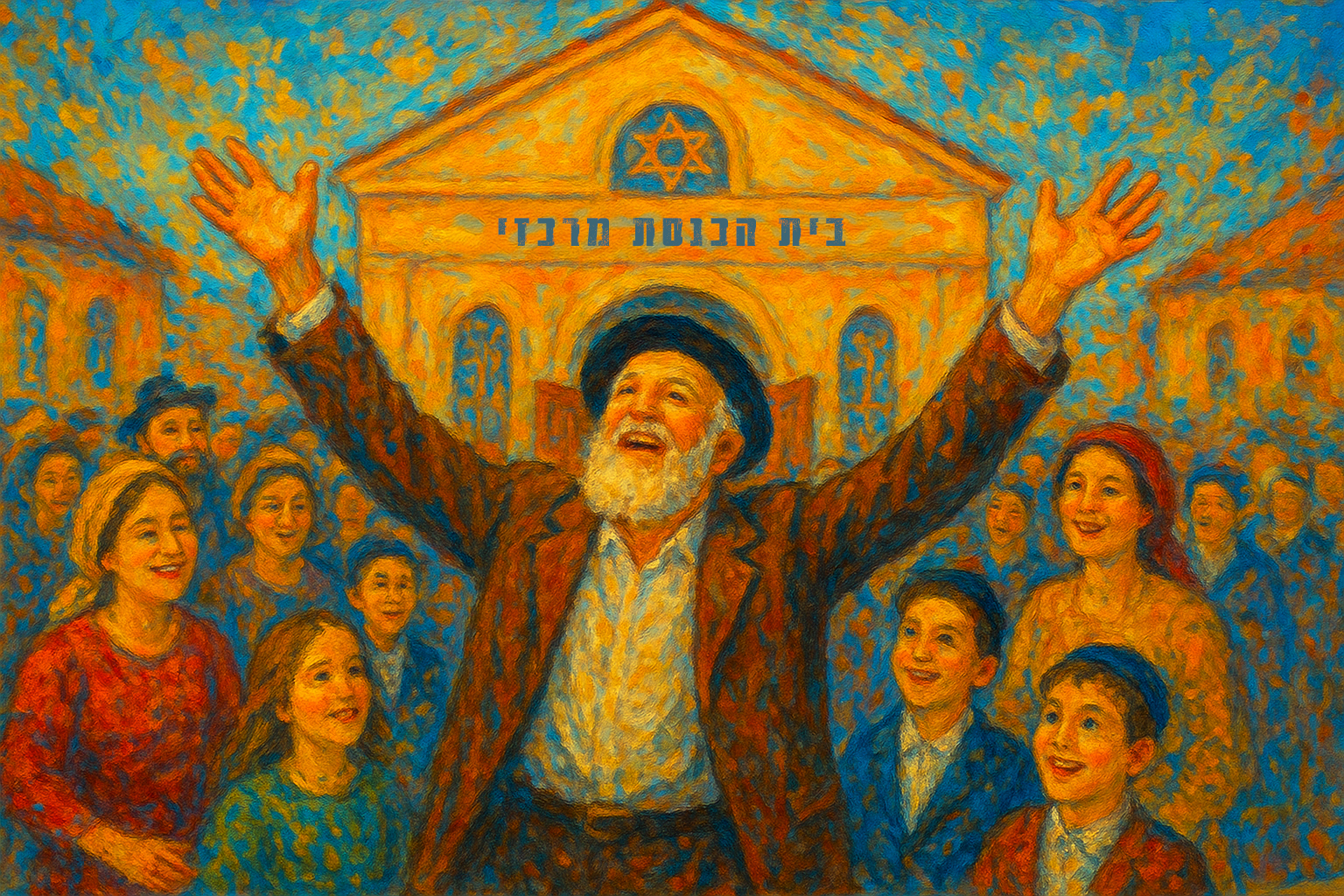
Grammar guys.
You know the type.
I don’t get them. Studying the minutiae of pronunciation, punctuation and parts of speech just doesn’t get my engine running. Maybe grammar guys are left-brained and I’m right-brained. Or is the other way around? It’s been a long time since Mr. Fisher’s ninth-grade biology class.
Truth is, when it comes to how grammar rules manifest during Tefillah (prayers), I find it both fascinating and practical, since it often bears directly on the meaning of those prayers. How the words are grouped and recited often makes a considerable difference in what is actually being said. As one who is asked to lead the services from time to time, I try to incorporate the helpful pointers I’ve received over the years from left-brained (or is it right brained?), well-intentioned grammarians into my Tefillah.
I was surprised recently when someone came over to me after Shul, and pointed out that I was pronouncing a word in the Amida incorrectly, albeit in a subtle way (rather than boring you with the details, I’ve put it in an easily ignorable footnote*). Mind you, I wasn’t surprised to learn that I was mistaken. I was surprised at the person who corrected me.
Baalei Teshuva — those who come to observance of Judaism later in life — usually struggle to pronounce Hebrew words fluidly, let alone to master the lesser-known intricacies of Dikduk (Hebrew grammar). So when the kindly older man approached me and explained what I was doing wrong, a few things happened:
- I was filled with respect and admiration, that a Baal Teshuva, at this stage of life and learning, was tackling and mastering the rules of Dikduk.
- I decided to check the Siddur to make sure what he said made sense and was valid. I did, it did, and it was.
- I made a mental note to correct myself every time I could, to make it part of my thrice-daily pronunciation.
The older gentleman explained to me that his granddaughters in high school learn Dikduk as part of their curriculum, and that he had taken an interest. They were as thrilled to share their knowledge with their Saba as he was delighted to learn from them.
—
Not only are Hebrew grammar and I are not always enemies, I must confess that I actually enjoy it sometimes. One of those instances involves its employment in the traditional Rosh Hashana greeting.
The most basic, most succinct, and arguably most common wish for a good year is short and sweet:
שָׁנָה טוֹבָה!
!Shana Tova
The more complete Ashkenazi form translates as “May you be written and sealed for a good year!”. The exact verbiage varies a bit, depending on whom you are addressing, but it is always in the passive form (may you be written and blessed), since it is G-d who is doing the blessing (Grammar-phobes, grab onto something and please bear with me for a moment.)
When speaking to an individual male:
לְשָׁנָה טוֹבָה תִּכָּתֵב וְתֵחָתֵם!
L’shana tova tikateiv v’teichateim
When greeting a female:
לְשָׁנָה טוֹבָה תִּכָּתֵבִי וְתֵחָתֵמִי!
L’shana tova tikateivi v’teichateimi
The plural for men, as well as for mixed groups would be:
לְשָׁנָה טוֹבָה תִּכָּתֵבוּ וְתֵחָתֵמוּ!
L’shana tova tikateivu v’teichateimu
Lastly, and least commonly-used, the plural for women is:
לְשָׁנָה טוֹבָה תִּכָּתֵבְנָה וְתֵחָתֵמְנָה!
L’shana tova tikateivna v’teichateimna
For those who really want to go all out, there is an elongated version of each of the greetings, which concludes with the words “immediately, for a life of good and peace.”:
לְאַלְתַּר לְחַיִּים טוֹבִים ולְשָׁלוֹם.
Although only eight words long, the full form can be a mouthful, especially when you’re lavishing this unexpurgated, full-length director’s cut to those around you in Shul and at home. However, when you recite it time after time, year after year, it becomes comfortable, and a cherished part of the Rosh Hashanah proceedings.
—
For most of us, this past Rosh Hashana was unlike any other in our lifetime — the first in which we found ourselves engulfed in war. The stakes were higher. The words “who shall live and who shall die” seared our souls and dampened our eyes as never before.
On a practical level, we spent last year’s ‘three-day Yom Tov’ with our daughter-in-law and three vivacious grandchildren in Tekoa, helping out as best we could, while our younger son was activated and stationed up north. Although we have visited their community of Tekoa many times, I found myself the first night of Rosh Hashana prayers surrounded by a sea of unfamiliar faces.
I glanced around as the soulful Maariv service concluded. I looked to greet my friends and my neighbors with the well-practiced full-form no-holds-barred Rosh Hashana greeting. But my friends and neighbors were elsewhere. Those next to me were already shaking hands and making conversation with their own loved ones. I wended my way among the throngs of congregants toward the double doors at the back of the Shul, thinking I had no one to speak to. No one to greet. No one on whom to show off my proficiency with the tongue-twisting blessing.
And then it occurred to me.
There is always One listening.
—
Alone in a sea of humans, I lifted my eyes heavenward, to the One Above, and uttered a new formulation of the traditional greeting — not a passive one, but a direct and heartfelt plea, perhaps even my most intimate and fervent prayer of the High Holidays:
לְשָׁנָה טוֹבָה תִכְתְּבֵנוּ וְתַחְתְּמֵנוּ לְאַלְתַּר לְחַיים טוֹבִים ולְשָׁלוֹם!
Please, G-d, write us and seal us immediately, for a life of good and peace.
We need it so badly.
As we approach another Rosh Hashana, we are still reeling from this war. Though my younger son expects to be with us for Rosh Hashana, he is due to report for duty immediately after. Following the services beginning the holiday on Monday night, I hope to bless my family and friends. And as I remember the special formulation from a year ago, I will again implore G-d not to be passive, but to grant us a year of goodness, life, and peace.
This year, as last, my words rise from a place of longing and humble hope. May He hear us. May He answer us. May next year be the year we have long awaited.
Amein.
—
*For those of you grammar guys out there, it was a case of a shva na, instead of a shva nach.