
I believe in independent, clear, and courageous journalism – especially where injustice is being silenced
Greta’s Greenwashing in Gaza: Climate Justice or Political Theater?
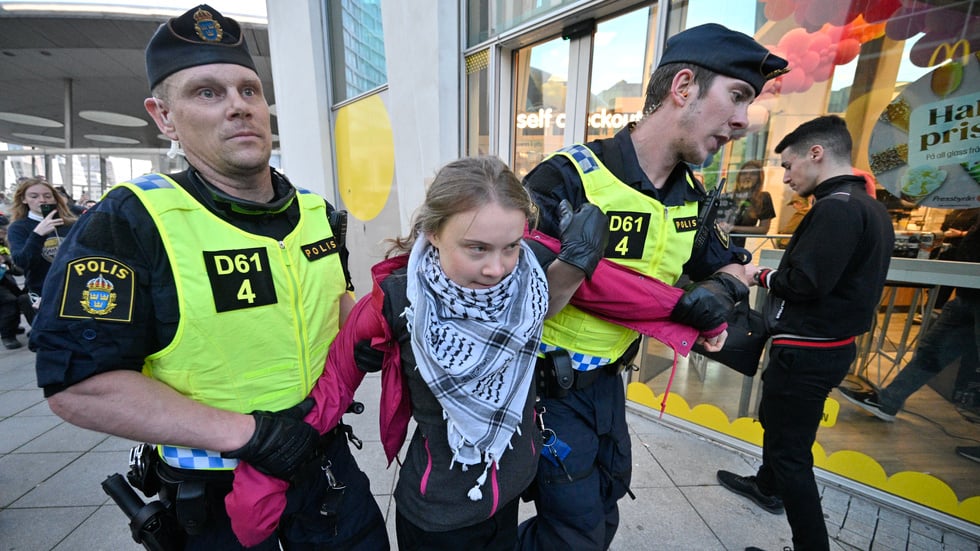
Photo: Johan Nilsson
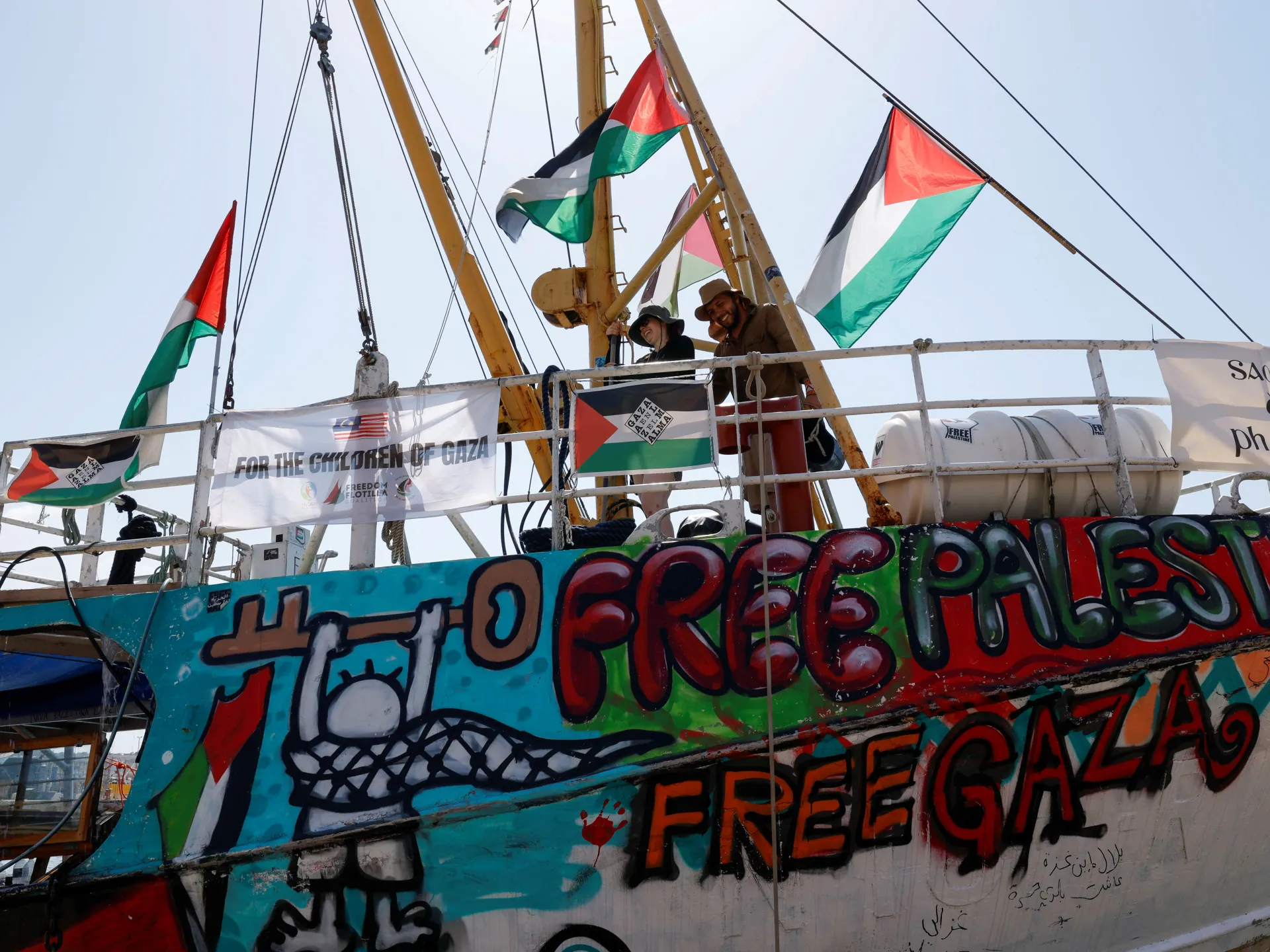
Greta Thunberg is once again in the spotlight—not for climate strikes or U.N. speeches—but for boarding a ship bound for the Gaza Strip. The vessel, part of the so-called “Freedom Flotilla,” is headed toward Israeli waters with the stated aim of challenging Israel’s naval blockade and delivering humanitarian aid to Palestinians in Gaza. Thunberg’s participation marks a dramatic turn in her activism—from championing the planet to engaging in one of the world’s most intractable conflicts.
But is this climate justice—or a carefully staged act of political theater?
Let’s be clear: Thunberg is no longer just a climate activist. Her advocacy has expanded in recent years to encompass a variety of causes—from Indigenous rights to racial justice, and now, the Israeli-Palestinian conflict. While such intersectionality may seem admirable at first glance, it quickly raises a question: how much does she really know about the situation she’s sailing into?
A Complicated Reality Ignored
By joining a flotilla that openly defies Israel’s security measures, Thunberg has aligned herself with individuals and groups who often downplay, if not outright ignore, the threat posed by Hamas—a terrorist organization that has ruled Gaza with an iron fist since 2007 and was responsible for the October 7th massacre, in which over 1,200 Israelis were slaughtered and hundreds kidnapped.
If Greta truly believes in “climate justice,” one wonders why her activism doesn’t extend to the ecological damage done by Hamas itself—from rocket fire that ignites Israeli forests to the vast military tunnel networks that drain resources and cement any hope of sustainable development in Gaza.
Worse still, the timing of Thunberg’s voyage—just months after the deadliest day for Jews since the Holocaust—feels less like solidarity and more like selective moral outrage.

Greenwashing Terror?
This isn’t the first time Greta has drawn criticism for her political leanings. In the aftermath of October 7, she posted pro-Palestinian slogans on social media, omitting any mention of the Israeli victims or the sheer brutality of the attacks. When pressed, she offered vague, belated clarifications—but the damage was done. Her followers had already taken note: this wasn’t about peace—it was about picking sides.
Now, with her presence aboard the flotilla, she risks doing something worse: using her climate credibility to legitimize a propaganda stunt. What’s being whitewashed here isn’t carbon emissions—it’s terror.
The Freedom Flotilla Coalition, of which Thunberg’s ship Madleen is part, has a long history of provocative missions designed to attract headlines and challenge Israeli sovereignty—not necessarily to deliver aid in effective or neutral ways. Real humanitarian assistance is coordinated with international agencies through legal channels. These flotillas are about symbolism, not substance.
A Missed Opportunity
Instead of sailing into one of the most volatile regions on earth without nuance, Greta could have used her immense platform to highlight the complexities of the region: the suffering of Palestinians under Hamas, the trauma of Israeli communities devastated by terror, and the genuine environmental issues facing both populations.

She could have called for climate cooperation in the Middle East. She could have used her voice to advocate for renewable energy access in Gaza or joint water conservation projects. She could have pushed for peacebuilding through sustainability.
Instead, she chose a one-way voyage into partisanship.
Conclusion:
Greta Thunberg’s journey to Gaza may win her applause in certain activist circles, but it risks alienating those who once saw her as a voice of reason. By turning a blind eye to the complexity of the conflict, and appearing to legitimize a terror-affiliated regime under the banner of climate justice, she has crossed a moral line.
The fight against climate change is one of the most urgent causes of our time. But when it is hijacked for political pageantry, it loses its moral clarity. And Greta, whether she knows it or not, is no longer just sailing for Gaza—she’s sailing away from credibility.
I have reported from Israel and spoken to survivors of October 7. Their trauma is raw, their grief real. To see that suffering ignored—or worse, politicized—by global figures is not just disappointing. It’s dangerous.
Related Topics
Related Posts