


A threat to Israel is also a threat to the Gulf
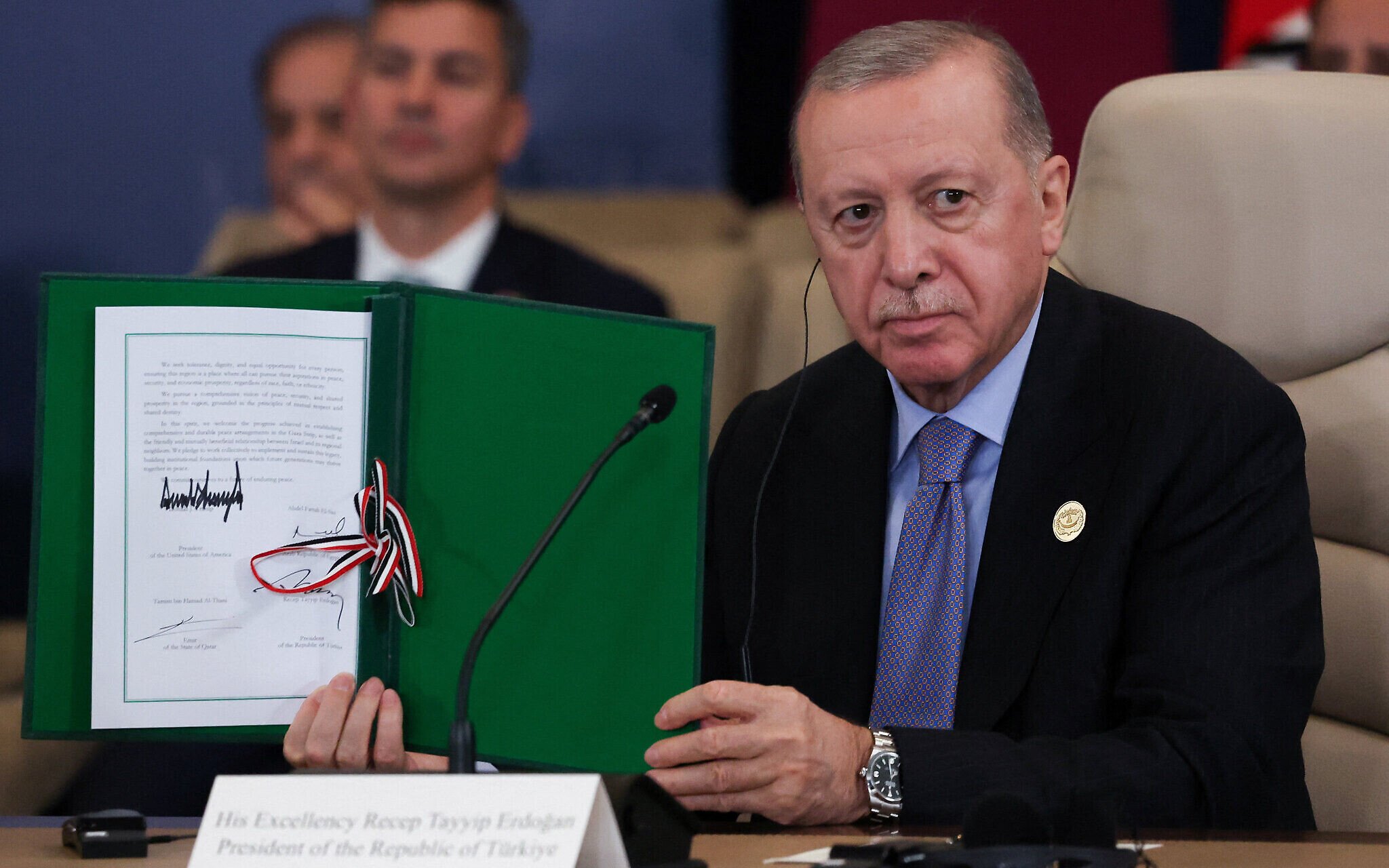
Allowing Turkey or countries that support the Muslim Brotherhood to be part of the postwar arrangement in Gaza is not a harmless step. It is not a humanitarian presence only. It is the foundation of a long-term influence inside the most sensitive security arena in the region. The danger is never on the first day of entry. The danger begins after the presence becomes normalized and protected by time and legitimacy, while alliances and intentions shift as they always do in the Middle East.
Turkey and Brotherhood supporting states are not neutral actors. They have provided political, financial and media shelter for Brotherhood-affiliated projects. The Brotherhood project is built on establishing influence inside states and then using that influence when conditions become favorable. If Turkey enters under the title of stabilization or if other Brotherhood-aligned states gain administrative or financial control in Gaza, they will build a platform that can later be used as pressure not only on Israel but also on the Gulf.
We also reject any scenario that allows Turkey to rebuild an Ottoman-style sphere of influence in the region under a new label. The Turkish model in Syria, Iraq and Libya has proven that once Ankara gains a foothold, it does not withdraw, it expands. Allowing Turkey to enter Gaza is not a neutral step. It is an open door for a renewed Ottoman project that would reshape power balances in the Middle East at the expense of Arab sovereignty.
The security of the Gulf is linked to the security of Israel for clear reasons. The same actors that work against Israel, such as Iran and Brotherhood-aligned networks, are the same actors that target the Gulf, and any destabilization of Israel strengthens these networks in a way that threatens Gulf regimes as well. In addition, the regional security umbrella relied upon by Gulf states is tied to a framework in which the stability of Israel is considered an integral component. Finally, ideological expansion does not stop at Israel’s borders, because any project that begins under slogans of resistance or liberation against Israel tends to later turn against Gulf governments using the same rhetoric.
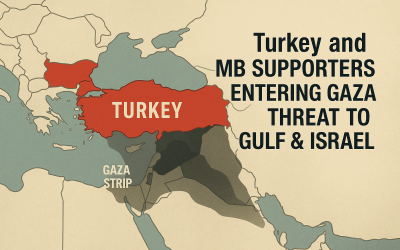
The danger of allowing Turkey and Brotherhood-aligned states into Gaza is not in the entry itself. The danger is in the legitimacy that follows. Once their presence becomes accepted, influence becomes rooted, then influence becomes power, and power in the hands of ideological actors becomes a strategic threat. Interests in this region shift, but entrenched influence does not leave easily.
Whoever opens the door for Turkey and Brotherhood-aligned states in Gaza today is planting the seed of a project that can later turn against Israel. When that happens, the Gulf will be the next stage, because the threat that reaches Israel will inevitably reach the Gulf when its source is an ideological network that recognizes no borders and keeps no permanent allies.