


He Took Me Out of the Pit
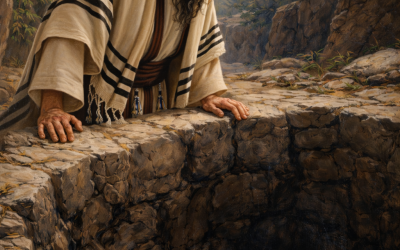
*He Took Me Out of the Pit*
After Yaakov Avinu died, Yosef’s brothers suddenly became afraid. For years, Yosef treated them with kindness and restraint. Now they worried that this had only been out of respect for their father. With Yaakov gone, perhaps Yosef would finally take revenge for what they had done to him.
What caused this fear now?
The Midrash explains that on the way back from Yaakov’s burial, Yosef took a detour. He went to look at the very pit where his brothers had thrown him many years before — הלך והציץ באותו הבור (Bereishit Rabbah 100:8). When the brothers saw this, they panicked. To them, it seemed Yosef was reopening old wounds, reliving betrayal and humiliation. They assumed he was preparing to settle old scores.
But Chazal show that they completely misunderstood him.
Rav Tanchuma explains that Yosef’s intention was not revenge. He went there לשם שמים, for the sake of Heaven. Yosef returned to the pit to bless G d and say:
ברוך שעשה לי נס במקום הזה — “Blessed is Hashem who performed a miracle for me in this place” (Bereishit Rabbah, ad loc.).
Yosef was not looking back in anger but looking up in gratitude.
This is a powerful image. Yosef is now second only to Pharaoh, clothed in royalty. Yet he deliberately returned to the place of his deepest humiliation. Why? Because remembering the pit keeps him humble. It reminds him that success is not his alone, and that suffering, when met with faith, can refine rather than destroy.
Each of us has pits in our personal lives — moments of fear, loss, failure, illness, weakness, or brokenness. These pits shape us deeply. But when we revisit them properly, with faith, they protect us from arrogance and despair. They remind us that what we have is not self-made, and that survival itself is a gift.
We also have pits in our national life. Israel, like Yosef, is emerging from a pit. Times of war, fear, evacuation, and attack are terrifying and destabilizing. Yet Jewish history shows that from such periods of danger and darkness, Israel has often grown stronger, more united, and more responsible for life. The pit is painful, but it can teach us gratitude, courage, and perspective — if we remember the rescue, not the fall.
Am Yisrael has faced literal pits too. The tunnels and underground prisons of Gaza are a pit in the most literal sense — darkness, fear, isolation, and cruelty. And yet, after long months and even years, hostages emerged from that darkness with broken bodies but deep faith.
When Adam Berger was released from the tunnels of Gaza, she did not speak of hatred or revenge. She spoke of emunah. She said:
בדרך אמונה בחרתי, ובדרך אמונה שבתי — “I chose the path of faith, and through the path of faith I returned.”
Like Yosef at the edge of his pit, blessing G d for the miracle that carried her through, she came out holding on to Him.
The Baal Shem Tov, as recorded in Nezer HaKodesh, told of a student who was anxious over his life and struggles. The Rebbe brought him to the place where he had once faced danger and said:
“See this place? Here you thought you were lost. But G d saved you. Remember the rescue, and bless Him.”
The student did as he was told. He did not dwell on his fear, but remembered the miracle of having been lifted out. From that moment, he felt strengthened, humble, and grateful.
That is Yosef’s lesson. He reassures his brothers:
אַל תִּירָאוּ… הֲתַחַת אֱלֹקִים אָנִי — “Do not be afraid… am I in the place of G d?” (Bereishit 50:19).
His rise was not for domination, but for responsibility:
כי למחיה שלחני לפניכם — “G d sent me before you to sustain life.”
Our task today is the same. We must recognize the pits in our lives and in our nation. We must not remember the fall, but the privilege of coming out. We must bless Hashem for bringing us through and allow memory to make us more humble, more compassionate, and more united.
From the pits, we call G d —
מן המצר קראתי י־ה, ענני במרחב י־ה (Tehillim 118:5) —
and He answers, lifts us up, and gives us life. Our past does not imprison us. What defines us is how we rise, how we bless, and how we build on it.
The Navi expresses this truth:
כִּי נָפַלְתִּי קָמְתִּי, כִּי אֵשֵׁב בַּחֹשֶׁךְ ה׳ אוֹר לִי — “For though I have fallen, I rise; though I sit in darkness, Hashem is my
light” (Michah 7:8).
Whether personal or national, faith — emunah — ensures that G d will take us out of every pit, guiding us from darkness into light.