

Rabbi, mohel, misader kiddushin, beit din member
His Only Simcha
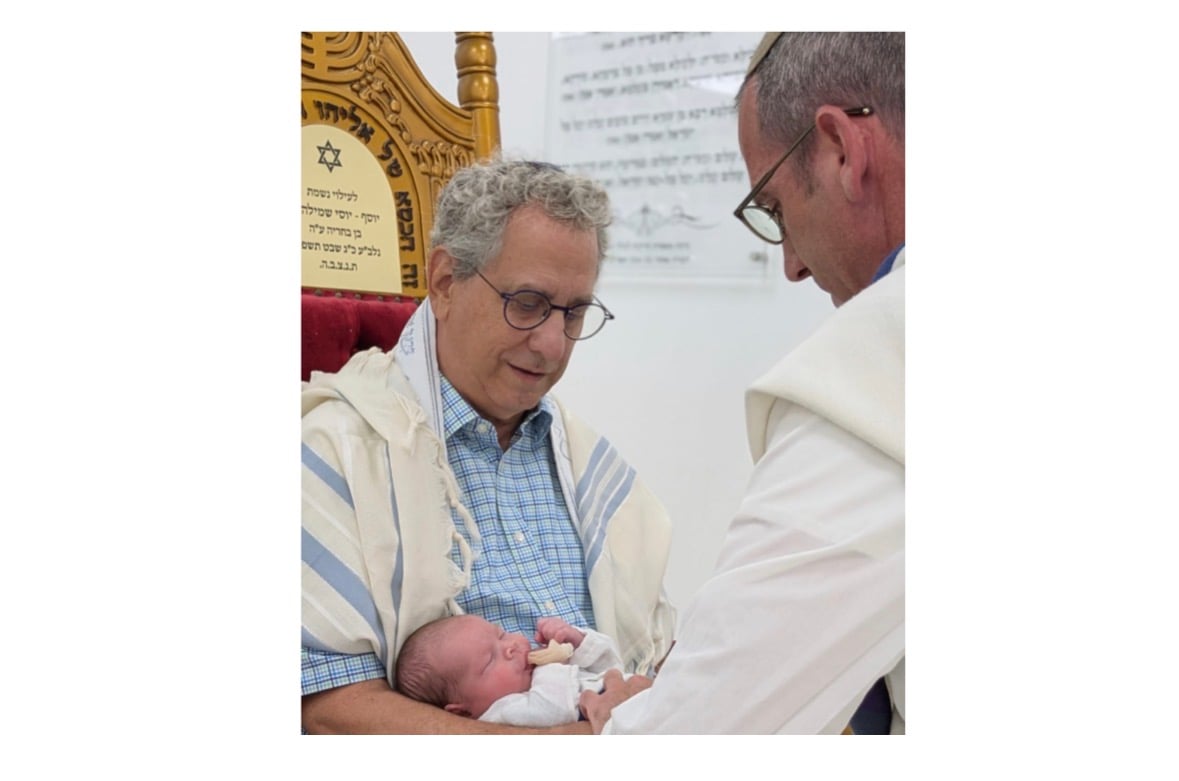
Photo: provided by family
“Call me when you can, I have bad news,” the message read.
I hadn’t heard from this colleague since I performed her grandson’s bris six months earlier. I called right away.
“The beautiful boy you were the mohel for passed away — sudden infant death syndrome,” she told me.
It was the last day of shiva, so I grabbed my coat and headed out.
The 50-minute drive was eerie. At this point in the season, Israel should have felt like summer — not a cloud in the sky, no wind, and warm temperatures. But the wind howled, clouds blanketed the sky, and even a light rain began to fall.
I crossed paths with the family’s rabbi in the parking lot. “There are no words,” he said as he shook his head, looking at the ground. Having spent most of my career helping families welcome their newest members into the covenant, I had never sat with one mourning a loss. I wasn’t sure what I had to offer.
On my ascent to the parents’ apartment, I wondered what the atmosphere would be like. My mind wandered to condolence calls where — since the mourner is meant to initiate conversation — not a word was spoken.
Then I heard it.
As the elevator doors creaked open, the sounds of song drifted down the hallway. All the other doors on the floor were closed. It was coming from the family’s home. The parents and visitors were singing niggunim.
The tune ended as I took a seat beside the mother. “When our hearts are broken and there are no words, we can cry out in tears or in song,” the father said. He began another melody. We all joined in.
The mother leaned over and whispered to me, “This was the lullaby I would sing to him.”
The baby survived for just one day in the hospital. “What organs can we donate?” the father had asked the staff. But since his body had been deprived of oxygen, their only option was his corneas. They found consolation in knowing that someone in Israel now sees the world through his “beautiful blue eyes.”
The father then charged us all to look at others in a more favorable light. “Perhaps we see them as selfish, unpleasant, or off-putting in some way. My request is to make the effort to look upon that person with a good eye — to give them the benefit of the doubt.”
Another rabbi who visited earlier in the week had shared a story. In his hometown, there were two headstones. One read, “This person lived many years but only lived until 20”; the other read, “This person died young but lived until 120.”
“Please don’t feel sorry for us,” the father said to those gathered. “We are not a pity case. Our son, in his short time with us, gave us a life’s worth.”
I rose and recited the traditional condolence: “May God comfort you along with all the mourners of Zion and Jerusalem.” The mother explained why they waited so long to be in touch. “We didn’t want to burden you,” she said. “It’s the exact opposite,” I told her. “I would have been disappointed not to have the opportunity to provide comfort in your time of need.”
As I prepared to leave, my colleague pulled me aside. “The mother didn’t want a big Brit Milah,” she told me. “After the birth, she just wanted something small.” But the father insisted otherwise, pressing for a fitting celebration.
“They were so happy they did,” she said.
It was his only simcha.