Spotlight on Civil Society
Hitting a Grand Slam with Storytelling (& a good backhand)
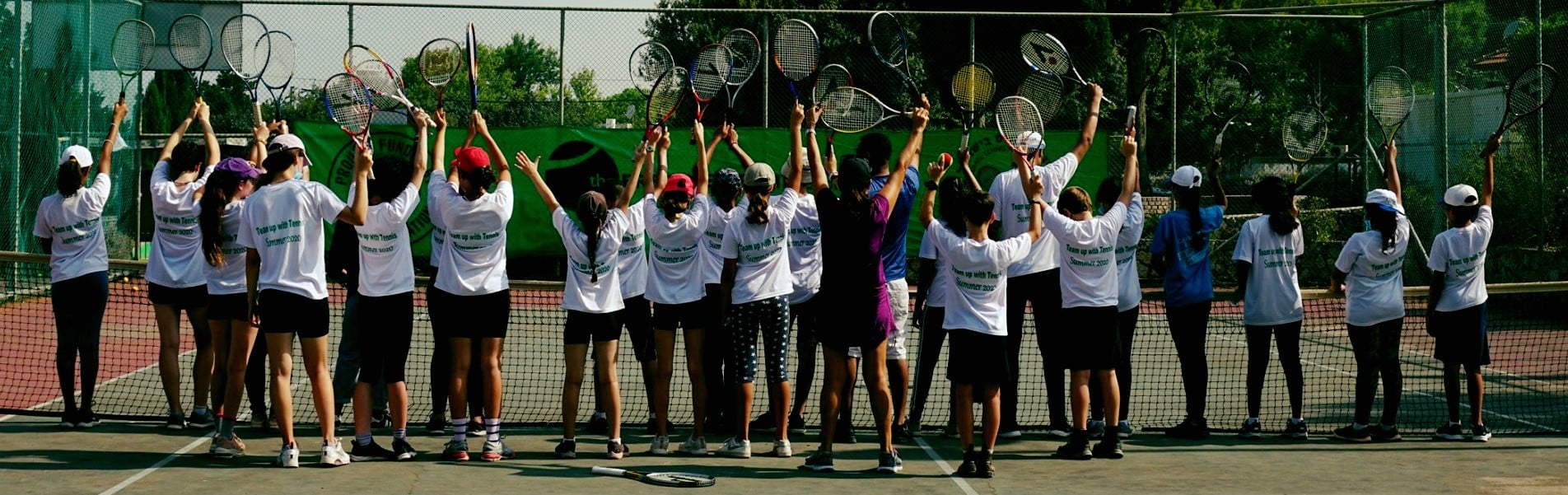
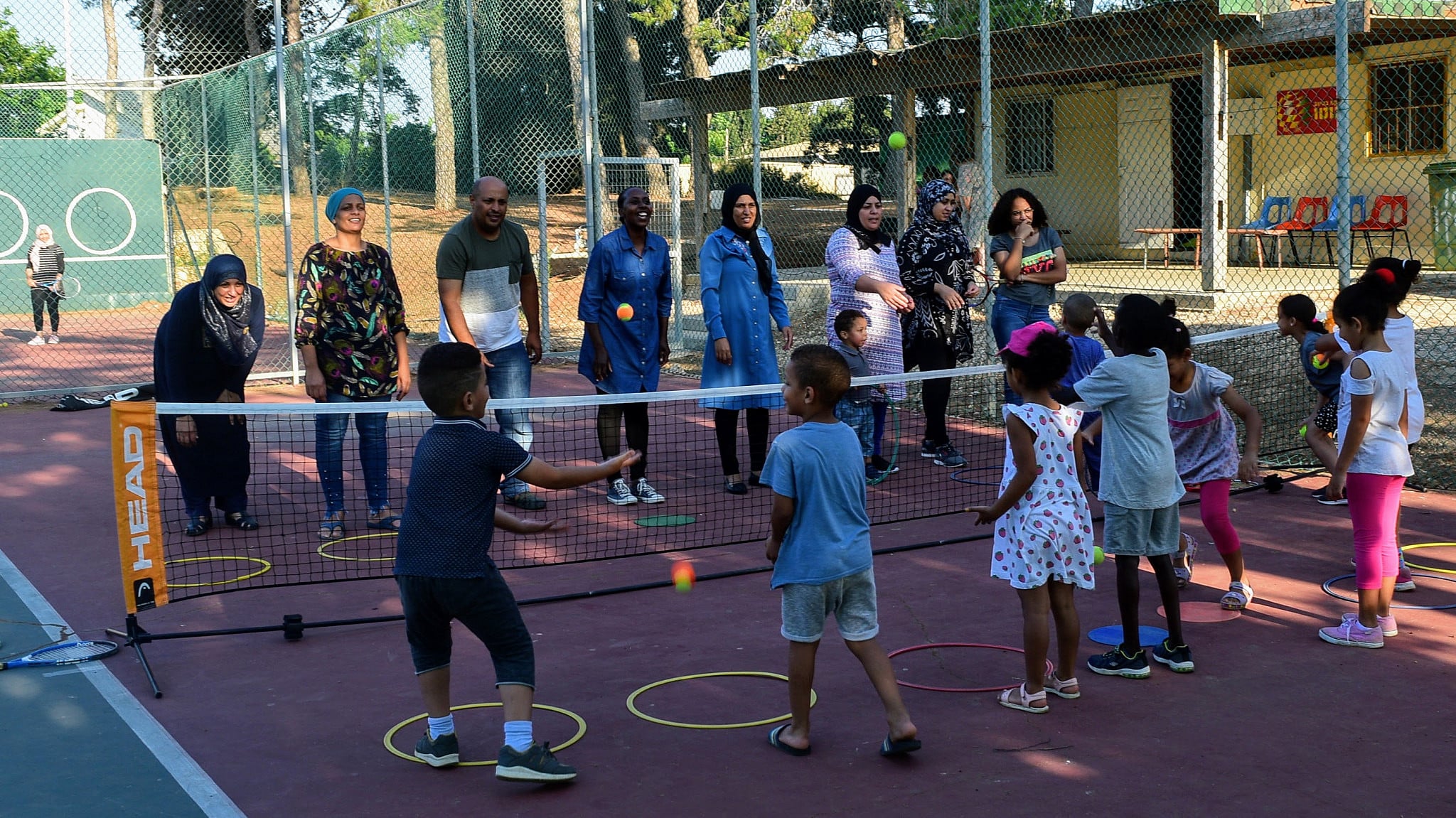
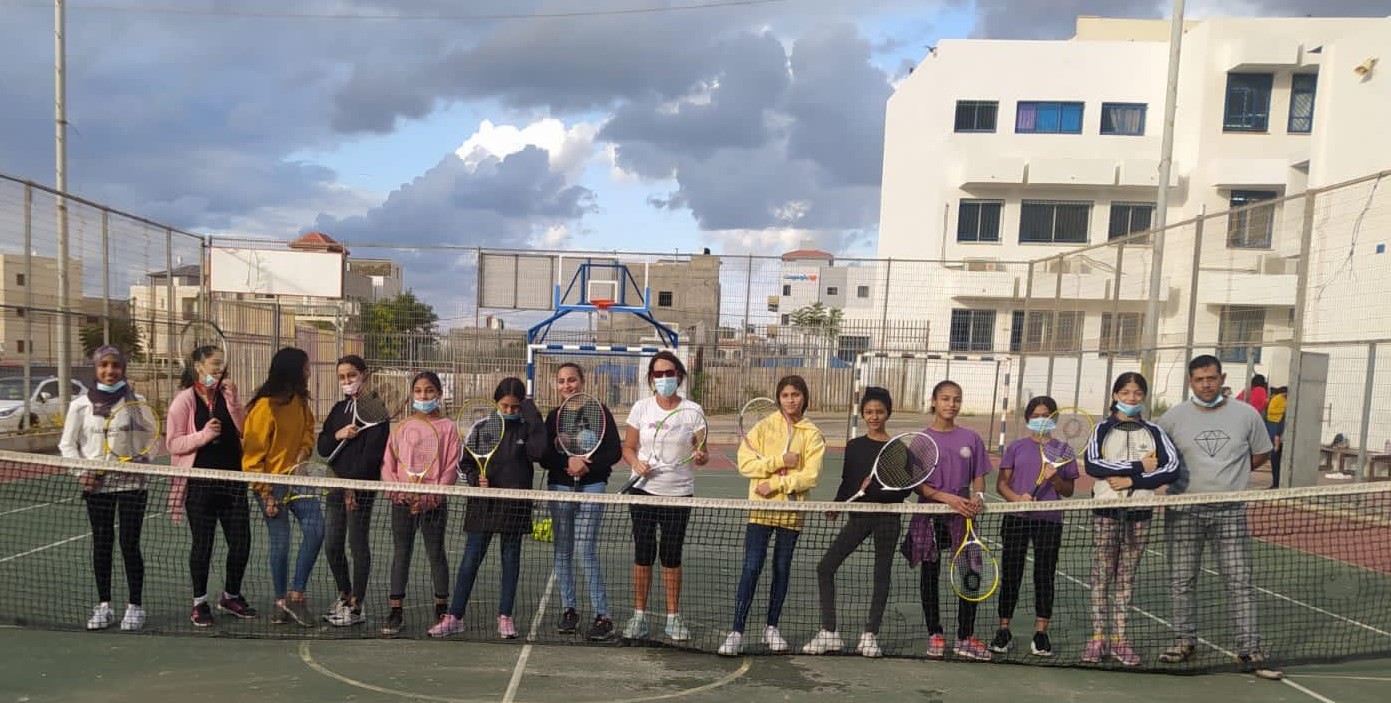
The joint Arab -Jewish summer camp, based in Bet Hanania, took place in July 2020, in accordance with health guidelines, with children from Jisr az Zarka, Binyamina, Zichron and Pardes Hanna. Along with tennis, volunteers offered workshops in topics such as yoga, art, pizza-making making, drama. Credit: Freddie Krivine Initiatives
Storytelling is something we do all the time: to entertain, to enlighten, to explain. The stories we tell – within our families, within our organizations – can also be a way to help us cope and stay motivated. And in this day and age, that can go a long way. We could all use stories of resilience. Often. Maybe every day. Along with our morning cup of coffee?
So I thought I would turn to the world of sports, to tennis in particular, and tell a story that combines both a family legacy and an organizational narrative.
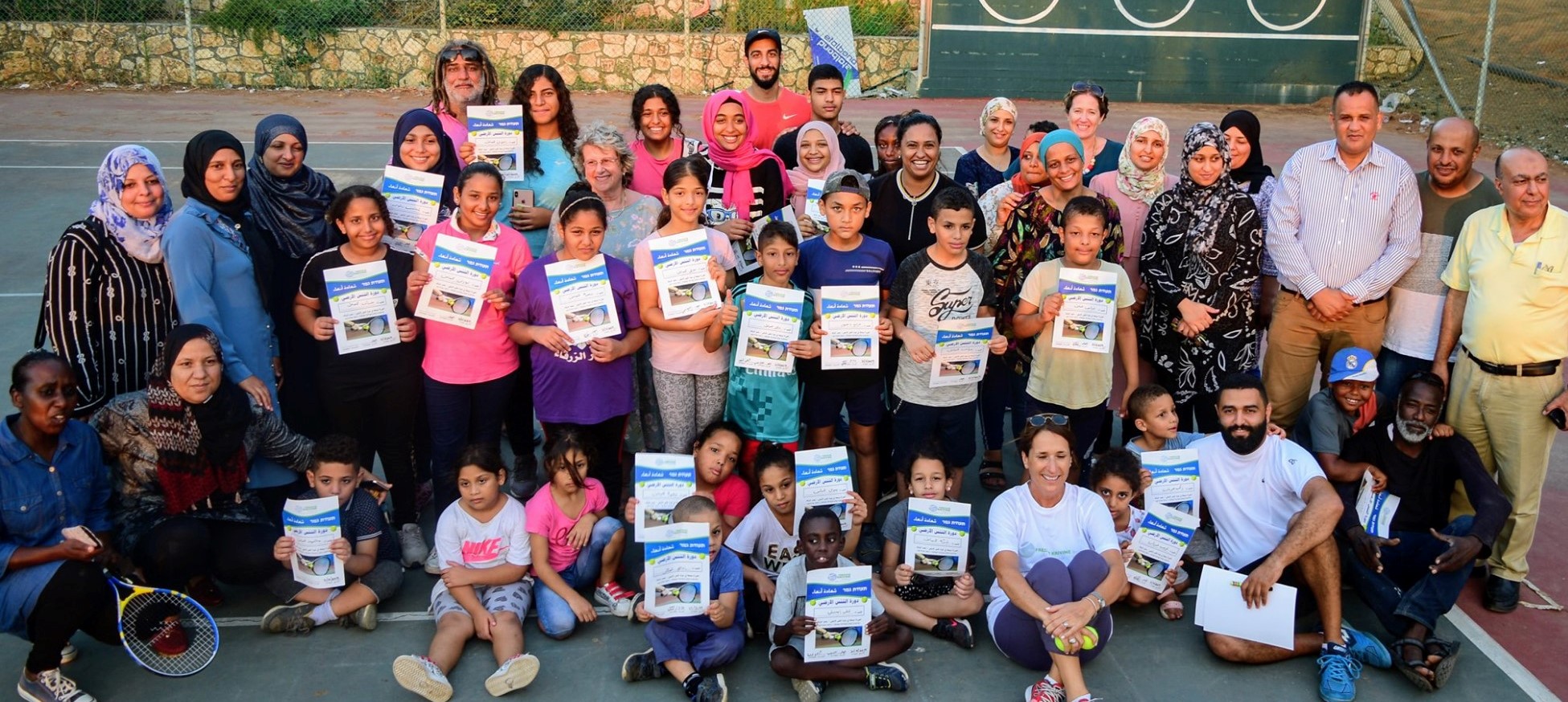

Freddie Krivine, known as Israel’s “Mr. Tennis”, was, by all accounts, a man who kept playing his game despite all the obstacles he encountered. For the past two decades, his nonprofit, Freddie Krivine Initiatives, has introduced tennis to Palestinian Arab children all over Israel, coaching them to find their own powers as athletes.
It seems fitting to talk about tennis now, as it is one of those sports where we always hear words like ‘stamina’, ‘determination’ and ‘endurance’.
Long before I began talking to my kids about mindfulness and coping mechanisms during this pandemic, I remember a childhood tennis instructor coaching us to be hyperaware of our own state of mind. Both on and off the court we were told to take note of emotions and frustrations in the midst of pressure and high stakes.
And having grown up in the 1980’s in the U.S., it is easy to recall tennis greats such as Billie Jean King and Arthur Ashe teaching us how to be champions in our own lives. We can just cut and paste Arthur Ashe’s words from so many years ago as a daily mantra today: “Start where you are. Use what you have. Do what you can.”
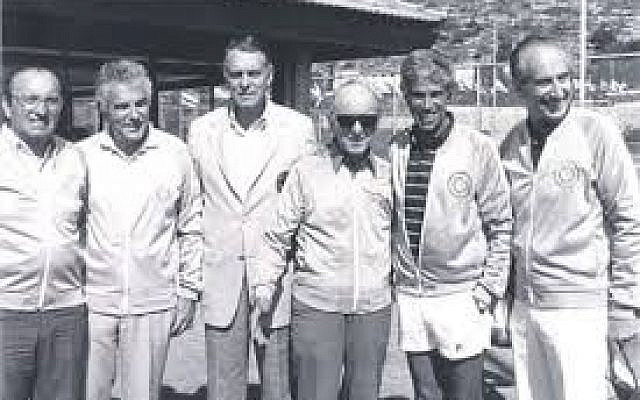
It was during those same times that Freddie Krivine was introducing tennis to so many here in Israel. During the 1980’s and 1990’s, he became an avid supporter and mentor to many of Israel’s best known tennis champions. As one of the founding trustees of the Israel Tennis Center in the early 1970’s, “Mr. Tennis” also served as president of the Israel Tennis Association for over a decade.
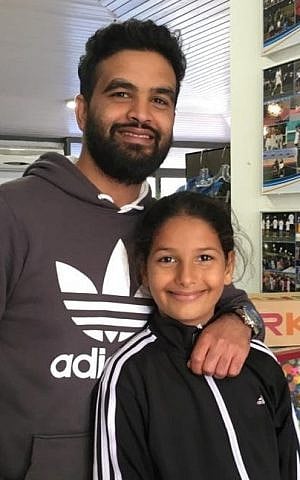
And then, in 1998, Freddie Krivine decided to hit another winner. Frustrated by the slow pace of outreach to Arab youth, he set up his own initiative to introduce tennis to communities like Jisr az Zarqa and Fureidis – places where kids not only had never seen a tennis racket but also had little opportunity to participate in any organized sports or to interact with Jewish kids from neighboring communities.
Just like in life, tennis games have plenty of surprise shots – both welcome and unwelcome. In the midst of Freddie’s efforts to introduce hundreds of Arab children to tennis and to connect them to Jewish kids through sport, there was an outbreak of violence in October 2000. In light of the shock and upheaval that ensued, many of those engaged in Arab-Jewish projects carefully re-examined what co-existence really meant.
For the Freddie Krivine Initiatives, this sharpened focus kept them working towards using tennis both as a way of building greater shared society and creating opportunities of social mobility for their Arab tennis players.
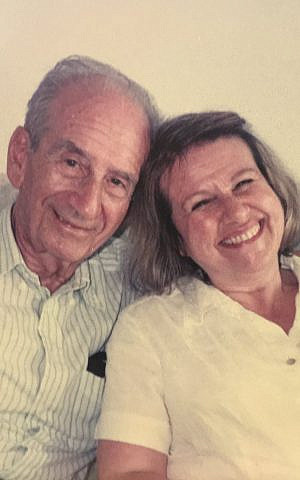
But then, in 2005, it was a personal rather than a collective disruption that shook everything up. Freddie’s death devastated the organization, forcing them to regroup yet again. Jane Krivine, his daughter, took over and lovingly built on her father’s legacy, extending the organization’s outreach to the entire country.
And then? Well, we know by now to look out for the transitional moments, those turning points in a story when the plot line could go either way.
During their years of expansion, Freddie Krivine Initiatives had constructed tennis courts, trained scores of coaches and reached hundreds of Arab children – making sure that tennis was no longer a novelty in Arab villages around the country. But by 2018, it was time to stop and regroup.
The expansion was taking its toll, and the one-way narrative of organizational success being defined by the simple metric of getting bigger needed to be checked. It was time to reframe the story. Ready to revisit their original goals, it was time for another disruption – this time voluntary.
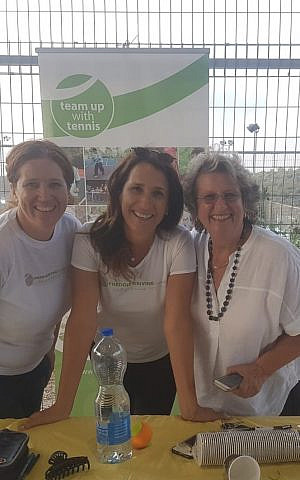
So Jane Krivine, along with the new director, Lee Wilson, decided to pose questions that are relevant to us both as individuals and as organizations.
You know those kinds of questions – the ones that we need to ask ourselves to keep shaping the arc of our story: ‘What are we doing and why? Are we the best version of ourselves? Are we placing our energies in the right place? And in the most meaningful way?’
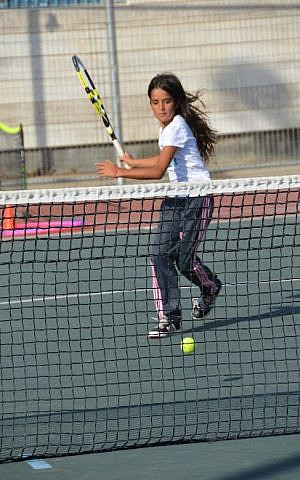
The Freddie Krivine team went back to their roots, interviewing supporters and former participants from their early years including members of their original cohort. That first cohort of ten Arab children – who went on to become doctors, veterinarians and pro tennis coaches – as well as the other former participants spoke of how their lives had changed by playing tennis. And what else? They stressed the significance of having a personal tennis coach who had faith in them, nurtured them and mentored them both on and off the court.
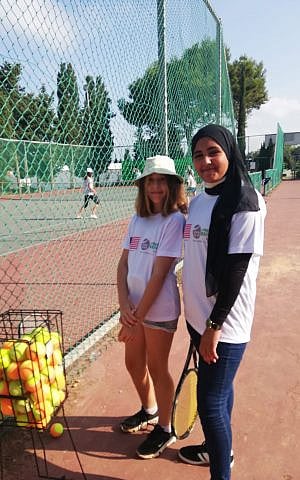
Ultimately the Freddie Krivine team made a tough call. With the growing accessibility of tennis, they had to reset their strategy. They downsized in order to refocus exclusively on programs that built on their original model of personal mentorship and coaching in Arab villages, offering tennis as well as homework support, and opportunities to meet Jewish and Arab players from around the country.
And, someday, they will tell the story of how they weathered the great pandemic of 2020.
By hearing stories at the workplace and in our families, we see how to move through challenges and transitions. We can honor family legacies and build a connection with the stories we share. My own kids hear the stories of their grandparents – hunkered down over the past year but who are thriving in the own ways. And this includes a grandma who is writing her story, in part by still playing tennis every other day.
In tennis and through stories we learn how to struggle, how to lose, and how to come back from defeat. So in between all of life’s interruptions and disruptions, our highs and lows, we need to keep serving up that proverbial tennis ball, hitting hard, adjusting our strokes and telling our stories as we go.
Related Topics
Related Posts