Hope is a muscle
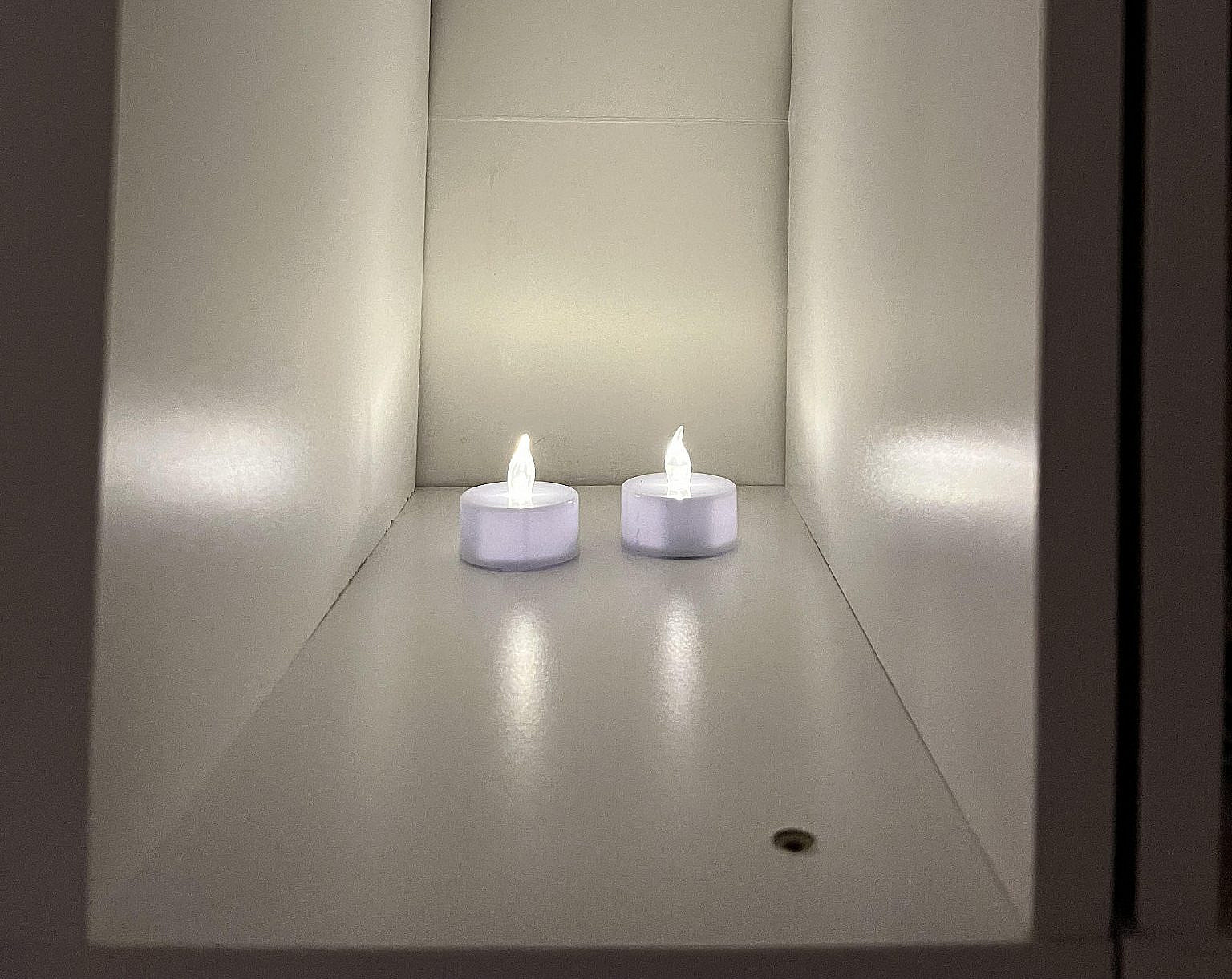
In the lobby of my synagogue is an elegantly set table waiting for the hostages being held in Gaza to gather around it and enjoy a beautiful Shabbat or Yom Tov meal. I’ve taken it upon myself to kindle Shabbat candles every Friday afternoon which burn for the entire week to be replaced again the following Friday. I ordered a small supply to begin many months ago, but soon realized that perhaps I should order larger quantities which I leave in the office; I put a few in my cubby so that they’re available to me if the office is closed. When my limited cubby supply gets low, I replenish it from my larger stock. Today I’m taking the last two candles out of my cubby for Yom Tov and I’m not going to replenish them now, because I’m trying, trying mightily, to hope that I will not need to light them again next Shabbat.
Honestly, I am afraid to hope. I am deeply aware that hope has sustained our people for far longer than this war and in situations far worse. But I feel so drowned in disappointment that I question if I should or even could conjure up any hope right now. Especially now, entering a holiday bracketed by October 7 and Shmini Atzeret, the English and Hebrew dates of all the yahrzeits.
I asked ChatGPT, “What is Hope? An emotion? A feeling?” The machine complimented me on asking a “beautiful, deep, philosophical question.” (ChatGPT users know that it tends to flatter us) and proceeded to present diverse and thoughtful ideas.
But after all of that, this is what I think. Hope is a muscle. And like every muscle, hope needs to be exercised or it will atrophy and die. That is why I will take out these last two candles and not replace them today. Not as a good luck omen for the hostages, but as an exercise for me, to safeguard and to strengthen my ability to hope.
Perhaps this is why we bless one another with “Yiyasher kochacha” (May your strength be enriched) and on Simchat Torah we will shower one another with “Chazak! Chazak! v’Nitchazek!” (Be strong! Be strong! And let us strengthen one another!”) We require that strength to nourish our hope. We rely upon hope to sustain our people.