From Yemenite tradition to the coming Beith HaMikdash
How a Ravenous Wolf on Har ha-Bayit Forced the Sanhedrin to the Southeast

Binyamin is a ravenous wolf: in the morning he shall devour the prey, and at night he shall divide the spoil. (Image created with AI)
Dedicated to the beautiful memory of Yael Good.
—
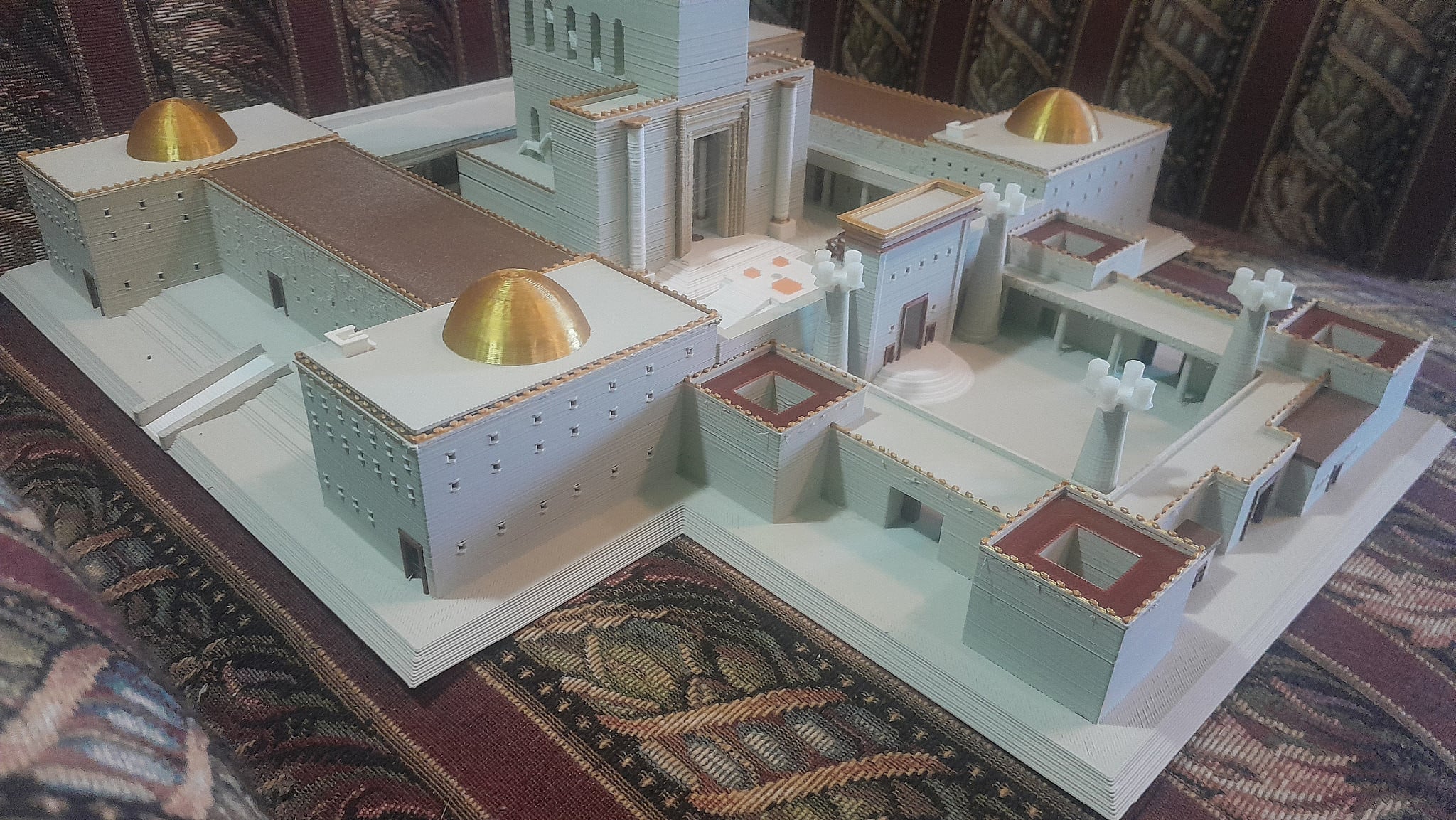
The reconstruction of the Beit HaMikdash according to halachah demands absolute fidelity to the sources. The location of the Lishkat ha-Gazit, seat of the Great Sanhedrin, stands as one of the most vital details in the Azarah layout. Majority tradition places it in the south, specifically the southeast corner. What prophetic force from Tanakh itself compels this placement and excludes all others?
The Textual Majority in Mishnah Middot
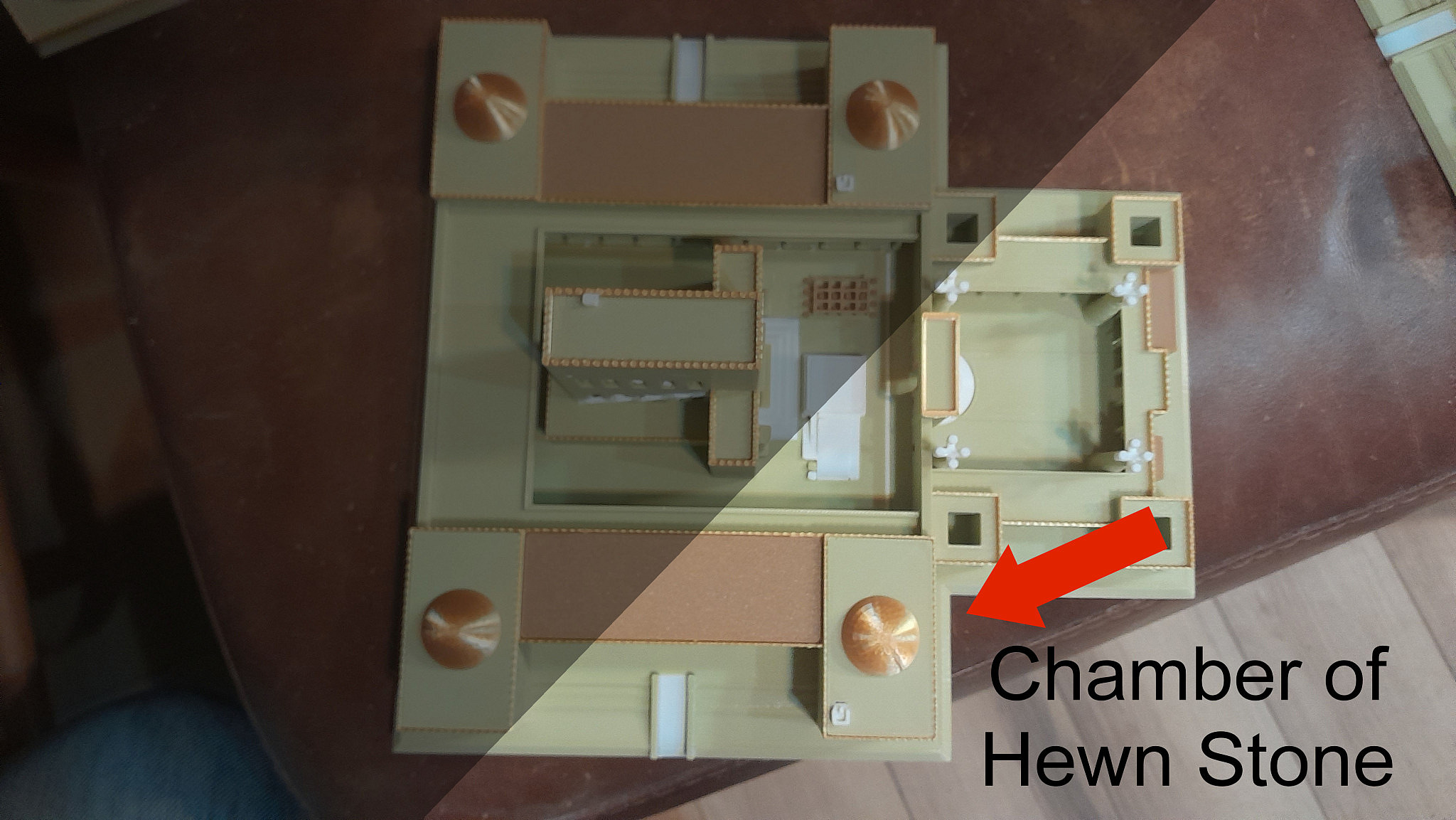
The foundation rests on the plain reading of Mishnah Middot 5:4. Standard printed editions and the majority of manuscripts state clearly: three chambers were in the south – the Chamber of the Wood, the Chamber of the Golah, the Chamber of the Hewn Stone. This dominant girsa appears in Babylonian Talmud citations at Yoma 25a and Sanhedrin 86b. Rashi, the Vilna Gaon, and most traditional commentaries follow it. The Rambam, aware of variants through his Peirush ha-Mishnayot, chose a northern sequence for his code in Hilchot Beit ha-Bechirah 5:17 to harmonize with northern slaughter proximity. Yet for faithful reconstruction of the actual Temple, the majority textual tradition holds decisive authority when reinforced by halachic depth.
Prophetic Tribal Roles Revealed in Yaakov’s Blessings
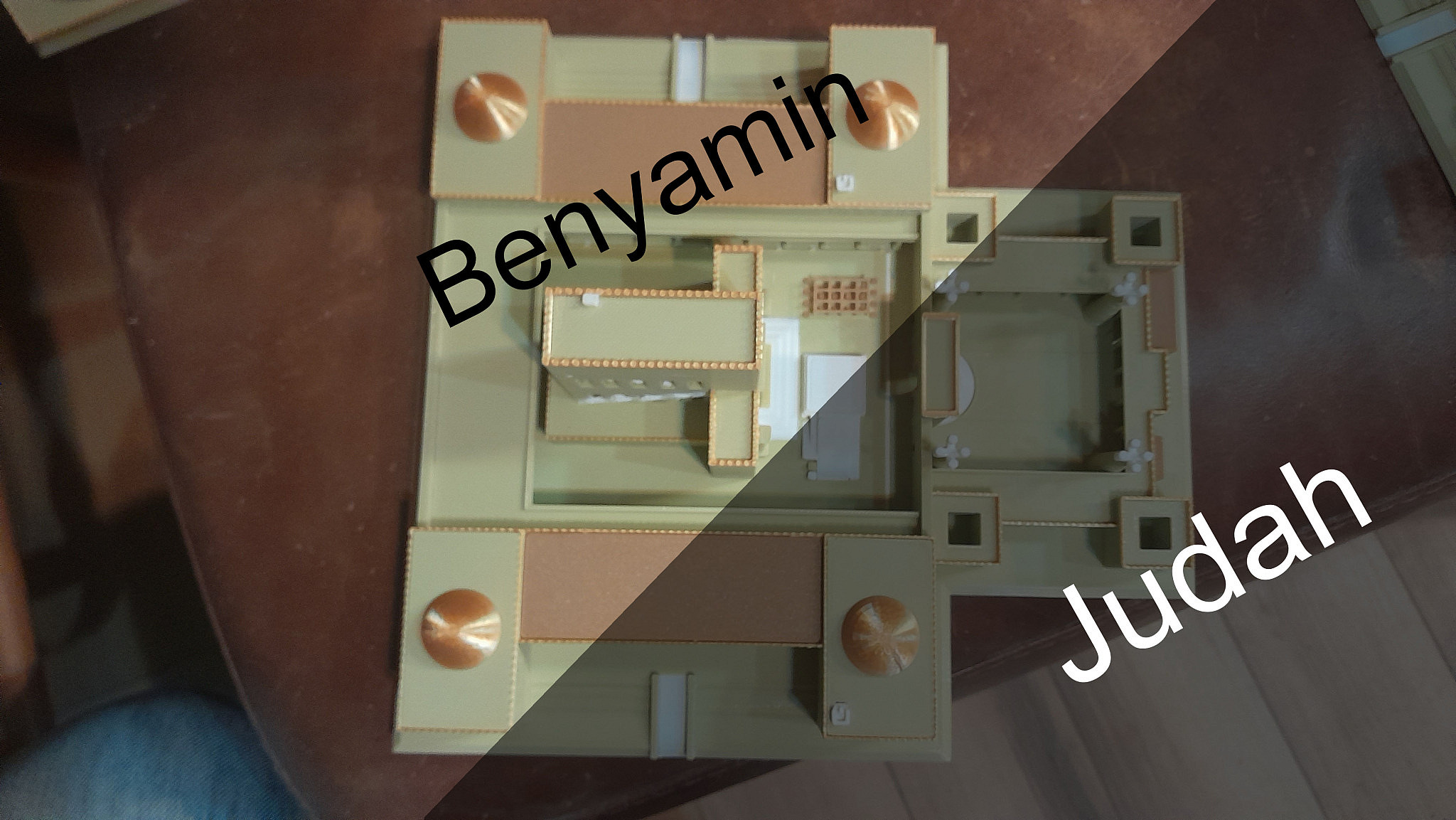
The Temple Mount straddled the border between Yehudah and Binyamin (Yoma 12a). Yaakov Avinu’s final blessings encode their eternal destinies in the Mikdash architecture with breathtaking precision. To Binyamin he declared: “Binyamin is a ravenous wolf: in the morning he shall devour the prey, and at night he shall divide the spoil” (Bereishit 49:27). The altar’s diagonal split places most slaughter, blood application, and priestly consumption in Binyamin’s territory. These intense, consuming acts of devouring prey in the morning and dividing spoil at night unfold exactly on his portion – a vivid, daily fulfillment of the blessing that grips the imagination and reveals divine intent in every stone.
To Yehudah came the unbroken promise: “The staff shall not depart from Yehuda, nor the sceptre from between his feet, until Shilo come, and the obedience of the people be his” (Bereishit 49:10). Rav Hirsch explains the sceptre as the law-inscribing pen held by the sage who records the ruler’s decrees. This describes the Great Sanhedrin’s core function – issuing binding Torah rulings. Among the Azarah’s four corners, only the southeast stands in Yehudah’s land. The unique absence of the altar’s yesod there testifies to this border (Middot; Zevachim 53b; Rambam Hilchot Beit ha-Bechirah 2:10). The ravenous wolf claims Binyamin’s share for dynamic avodah, leaving Yehudah’s southeast corner as the sole place for the seat of judgment while keeping it proximate to the Shechinah.
Functional and Ritual Advantages
Southeast placement resolves spatial and ritual challenges that northern alternatives create. The northern side hosts the busy slaughter zone with its 24 rings and marble tables (Middot 5:1). A substantial chamber there would crowd priestly traffic and restrict movement in the primary area of avodah. Southeast positioning keeps the structure peripheral, leaving the central and northern zones clear for uninterrupted service while preserving easy access to the altar and gates.
Yom Kippur avodah gains particular efficiency from southern placement. The Kohen Gadol performs five immersions (Yoma 3:3-10; Rambam Hilchot Avodat Yom ha-Kippurim 2:2-5), requiring rapid shifts between chol and kodesh areas. Rooftop mikvaot above a southern chamber shorten distances from southern gates such as the Water Gate, reducing physical strain during the fast and maintaining the tight timing that prevents alarming the people (Yoma 30a). Northern placement lengthens these traversals across the full 135 by 187 amot Azarah.
The Substantial Scale of the Azarah Chambers
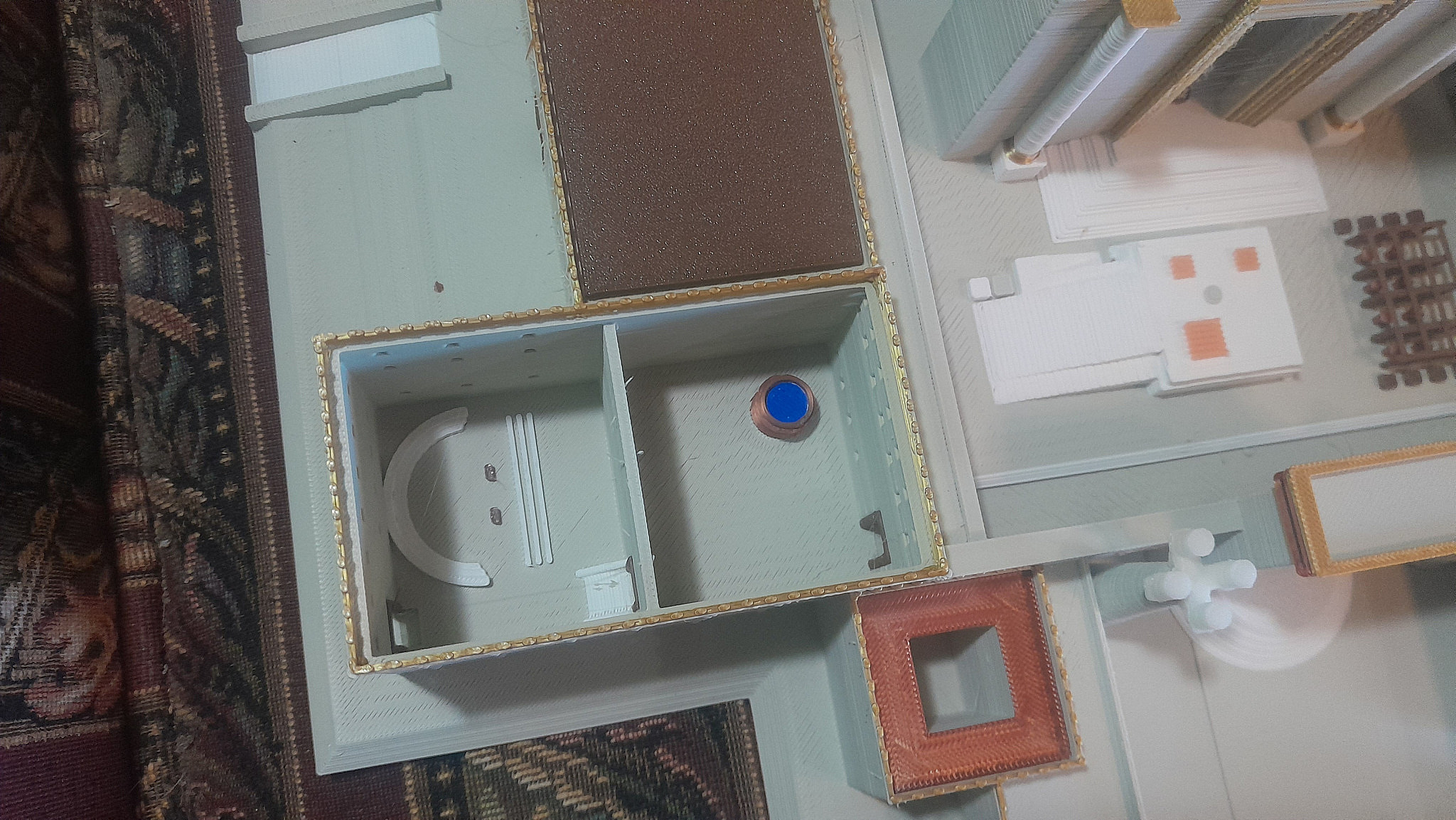
Mishnah Middot 5:3 describes six chambers in the Azarah – three on the north and three on the south. These substantial structures accommodated vital functions, including Sanhedrin deliberations in the Lishkat ha-Gazit with 71 judges in semicircle (Yoma 25a calculations) and priestly needs. The three on each side included positions at the ends near corners and one between them along the wall. Their footprint demands careful placement to avoid interference. Northern location for the Lishkat ha-Gazit would constrain the 51 amot northern slaughter space (Middot 5:1). Southeast alignment positions it externally at Yehudah’s corner without disrupting altar or ramp flow, with kedushah entering through the inward door (Yoma 25a; Rambam Hilchot Beit ha-Bechirah 5:9).
Harmonizing Sources for Faithful Reconstruction
The Rambam’s northern variant offers codal clarity. Yet the convergence proves overwhelming: majority Mishnaic text, prophetic blessings of Yaakov with the ravenous wolf’s vivid claim, altar yesod exception, ritual efficiency on Yom Kippur, and the substantial scale of the Azarah chambers all point southeast. The Torah commands precise fidelity to the tavnit shown to Moshe (Shemot 25:40).
For out of Zion shall go forth Torah, and the word of Hashem from Yerushalayim (Isaiah 2:3).
Yaakov’s ravenous wolf finds eternal expression on Binyamin’s altar portion with astonishing exactitude. Yehudah’s scepter takes architectural root in the southeast chamber alone. This prophetic harmony, joined with textual and ritual evidence, guides faithful reconstruction of the Third Temple according to the divine pattern revealed to Moshe. May continued study of these sources bring ever greater clarity to the sacred tavnit.
This piece benefited greatly from discussions with a dear friend, Yosef Eliezer, named after the great tanna Rabbi Eliezer ben Yaakov who transmitted the sacred measurements of the Mikdash used in all study of the Temple’s Tavnit today. To have his 40+ years of Temple research a phone call away is such a blessing.
Related Topics
Related Posts