
How a Zionist Dream Was Lost
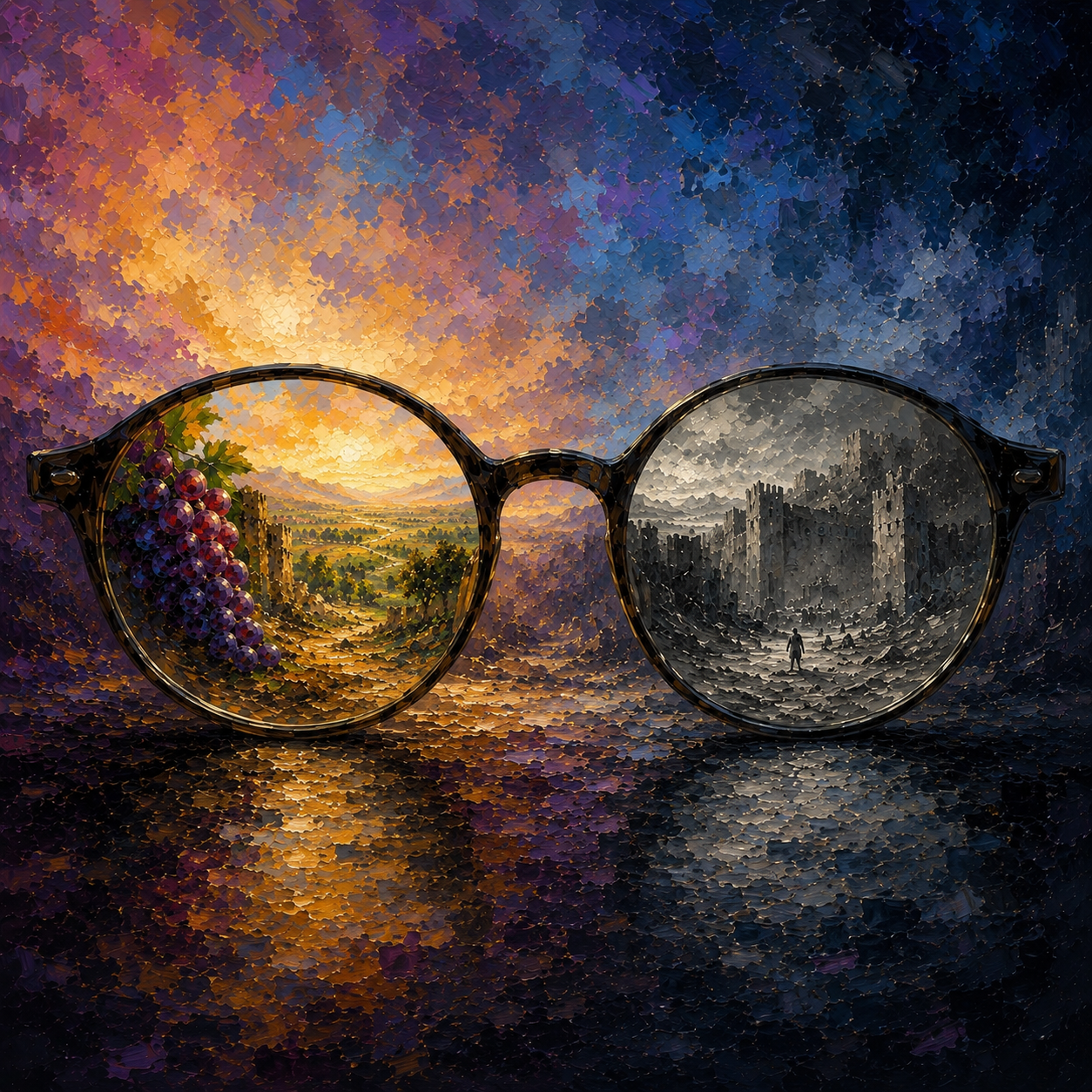
The dream of centuries crumbled in an evening: The Jews are poised to enter the Promised Land. This is the moment that generations have waited for. Centuries of suffering in Egypt were always viewed through the prism of promise: one day God would take them home. Yet, on the cusp of destiny, disaster strikes. They send twelve agents to spy out their Promised Land. The spies returned bearing its fruit, but ten believed it was beyond their reach: its current inhabitants, they claimed, were too strong, unconquerable. The miracles they had seen in Egypt and the desert would not see them into Israel. Two spies dissented, but the pessimists carried the day. The mood of the moment was more powerful than the dream of generations. The people cried tears of ingratitude: “To die in Egypt” would have been better than their current predicament. God punished them: an entire generation would not see the Land and the promise fulfilled.
What went wrong? Why were the spies, and consequently the people, so disheartened by what they saw? How could twelve people see the same thing yet reach such different conclusions?
Attitudes are hard to detect; sometimes only the smallest outer detail reveals inner turmoil. The text of the Torah is the same: the minor details in this story reveal a devastating attitude that shattered a dream.
The parashah begins with a description of who was sent and why they were sent to Israel. The mission is set to begin, but in its final remarks before the spies set off, the Torah adds a peculiar point: “וְהַ֨יָּמִ֔ים יְמֵ֖י בִּכּוּרֵ֥י עֲנָבִֽים – it was at the time when the grapes began to ripen” (Bamidbar 13:20). Why is this added? It seems like such a trivial detail through which to introduce a thrilling tale.
Seforno[1] explains that although the fruit was not fully ripe, Moshe was confident that they would be of such quality that they would reflect positively on the Land. Therein lies the problem and the mystery behind this given detail: an optimist would see the half-ripe fruit and note its potential, but a pessimist would say the opposite. The fruit were half-ripe, but the fruit were also half-unripe. This crucial detail is given before the spies enter the Land, as it sets the tone for the entire trip: they will see things in Israel that can be interpreted in multiple ways; ultimately, the interpretation will follow the interpreter.
The text continues detailing the travels of the spies. One location they visited is described in ample detail:
(23) They came to the valley of Eshkol, and cut down from there a branch with one cluster of grapes, and they carried it between two (people) on a pole; and they brought of the pomegranates and the figs. (24) The place was called the valley of Eshkol, because of the cluster (Eshkol in Hebrew) of grapes which the children of Israel cut down from there. (Bamidbar 13:23–24)
This is circular. Verse 23 describes that they arrived at the valley of Eshkol. Only in verse 24 does it give a reason why it was named thusly. Yet it was called the valley of Eshkol before they cut the grapes from it?! One solution is that verse 23 described it by its future name. However, an alternative suggestion[2] could be made, one with a deeper, more troubling message:
This is not the first time the word Eshkol appears in the Torah, nor is it the first time Eshkol is mentioned in connection the Land of Israel. Avraham (Bereishit 14:13–24) had a friend named Eshkol. He was a close ally. When Avraham heard of the capture of his nephew and rode off to battle with the armies of four kings to rescue him, Eshkol accompanied him. Eshkol had lived in that valley. The valley was named after him.
Let’s look at the broader context. God had promised Avraham that his children would be given the Land of Israel. Avraham died before that promise was realised. The Jews had been persecuted for over two centuries in Egypt. Always, this bitter, murderous servitude had been accompanied by a glimmer of hope: one day God would keep His promise and Avraham’s descendants would return home. These spies are the first Jews to enter Israel for over two centuries. They stand on the cusp of the fulfilment of that promise. They visit the home of Avraham’s friend, perhaps the first Jews to do so since Avraham himself. They should have felt the hand of destiny on their shoulders when they entered the valley. Their voices should have quivered when they retold the story. They should have realized that of all the generations of Jews who had dreamt of returning to that place, God had chosen them to stand where Avraham himself had stood. Yet, the magnitude of the moment went unnoticed by the spies. They named the place after the fruit they found there. The Valley of Eshkol was viewed through the prism of economics, not history. The interpretation reflected the interpreter.
This message is even more profound when we examine Avraham’s relationship with Eshkol. Eshkol was a loyal friend who accompanied Avraham into battle. When he fought for justice, Avraham, accompanied by Eshkol, was not cowed by the armies of four kingdoms. He had faith that God that God would watch over him. What a place to revisit, when Avraham’s descendants are planning battles of their own against seven hostile nations. God had been with Avraham, he would continue to accompany those who followed in his footsteps. However, all the spies saw in the valley was fruit, not faith. The interpretation reflected the interpreter.
The spies’ complaints about the Land reach a strange crescendo. After emphasizing their inability to conquer the Land, the spies conclude:
There we saw the Nefilim – the sons of giants – from the Nefilim, and we were in our own eyes as grasshoppers, and so we were in their eyes (Bamidbar 13:33)
This is a strange, doubled expression. Rashi (ibid.) explains it via a Midrash which tells a thrilling tale: When seeing the giants the spies felt like grasshoppers in their daunting presence. They took cover in the trees. But the giants spotted them. They observed that “there were human-shaped ants hiding in the trees.” The spies looked like grasshoppers from the towering vantage point of the giants.
The spies told the people of their fear, weaponizing it to terrify them. But they overlooked one important detail: they survived. This story could have been told in two ways. Imagine what would have happened if the spies came back and told the same, but totally different, tale: “We saw giants, we felt like grasshoppers, they saw that we were as small as grasshoppers – and God saved us!” What a galvanizing story that would have been! The people would have rallied together and marched forward. It would have capped off a voyage that would have inspired a nation. Yet, this miracle was lost on men who were too short-sighted to see it. The interpretation reflected the interpreter.
A dream was lost by people whose vision was so narrow that they could not see big things. They were punished by God: they would not see the Land. They would not see the Land because they could not see the Land.
Israel is a country with many, many problems, but next to its blessings, its problems are like grasshoppers in the shade of giants. It takes people of great vision to see giant blessings. Only two spies saw the full truth:
טוֹבָה הָאָרֶץ מְאֹד מְאֹד (במדבר יד:ז)
The Land is very, very good! (Bamidbar 14:7)
–
[1] Bamidbar 13:20
[2] See Bamidbar Rabbah Shelach 16:16