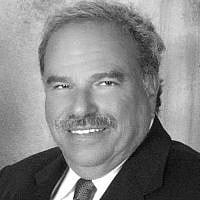
How Eli Sharabi Found Meaning in Gaza’s Tunnels
In Gaza, after October 7, Eli Sharabi endured starvation, abuse, and confinement in dark tunnels. Yet amid unimaginable hardship, he focused on what truly mattered: family, human connection, and small daily moments. Meanwhile, many of us obsess over what we don’t have, such as the latest gadgets, social media status, or fleeting trends, often overlooking the relationships and moments that sustain us. Loneliness is rising, anxiety is pervasive, and our minds are trained toward comparison rather than connection. Sharabi’s story offers a radically different approach to focus, resilience, and meaning that we could all learn from.
I recently heard Eli speak in Los Angeles on Hanukkah and walked out shocked, not by the horrors he endured but by the positivity he radiated and the lessons he shared. His story isn’t about suffering; it’s about resilience, focus, and noticing what truly matters. At that moment, I was reminded of Viktor Frankl’s Man’s Search for Meaning. The parallels are uncanny, simply swapping the 1940s for 2025.
Before leaving his family, Eli promised he would return. That promise became his anchor in darkness. Yet he didn’t stop at his own survival. He taught the people held hostage with him to notice, each day, two, three, or four small things that went well. At first, many thought he was crazy. How could positivity survive amid starvation and fear? Gradually, even those half his age who were held with him embraced his approach. Survival meant more than avoiding death—it meant training the mind to recognize life-affirming moments, however small.
Perhaps most striking is what Eli did not miss. In the tunnels, he didn’t long for his bank account, his car, or his phone. He missed his family and friends. In that focus on connection over consumption lies a lesson many of us forget: dissatisfaction and loneliness rarely come from lacking material things. They come from neglecting the relationships and moments that give life meaning.
Since returning home, Eli has carried the lessons of the tunnels into everyday life. He meets regularly with world leaders, communities, and individuals, sharing a simple truth: resilience, meaning, and even survival are shaped by daily choices. Our mental habits, what we pay attention to and what we value, shape our emotional health far more than anything we acquire.
For a long time, I wondered how Eli kept going after losing his wife, two daughters, and brother. For most people, an experience like that would be unbearable. After hearing Eli speak and understanding his psychology, I now know how he did it. The answer lies in how he chose to focus, even in the face of unimaginable loss.
Most people will never face tunnels of terror. But we do face something else: the slow erosion of attention, the constant pressure to compare ourselves to others, and the creeping loneliness created by distraction. What if we borrowed a piece of Eli’s method? What if we deliberately trained ourselves to notice what is good each day, to focus on the people who matter, and to reclaim the attention we give to trivial concerns? Even small shifts in focus can reduce loneliness, strengthen resilience, and improve well-being. If Eli was able to do this under horrifying conditions, surely we can do the same in Los Angeles, Tel Aviv, London, or wherever we find ourselves.
Eli Sharabi is a modern-day Viktor Frankl. His courage, deliberate focus, and insistence on valuing human connection over material concerns offer a blueprint not just for surviving extremity but for thriving in a distracted world. That choice is available to us every morning when we wake up, and we owe it to ourselves to follow Eli’s example: focus on the good in our lives, stay positive no matter what, and truly cherish the friends and family around us.