


How goodly were these tents
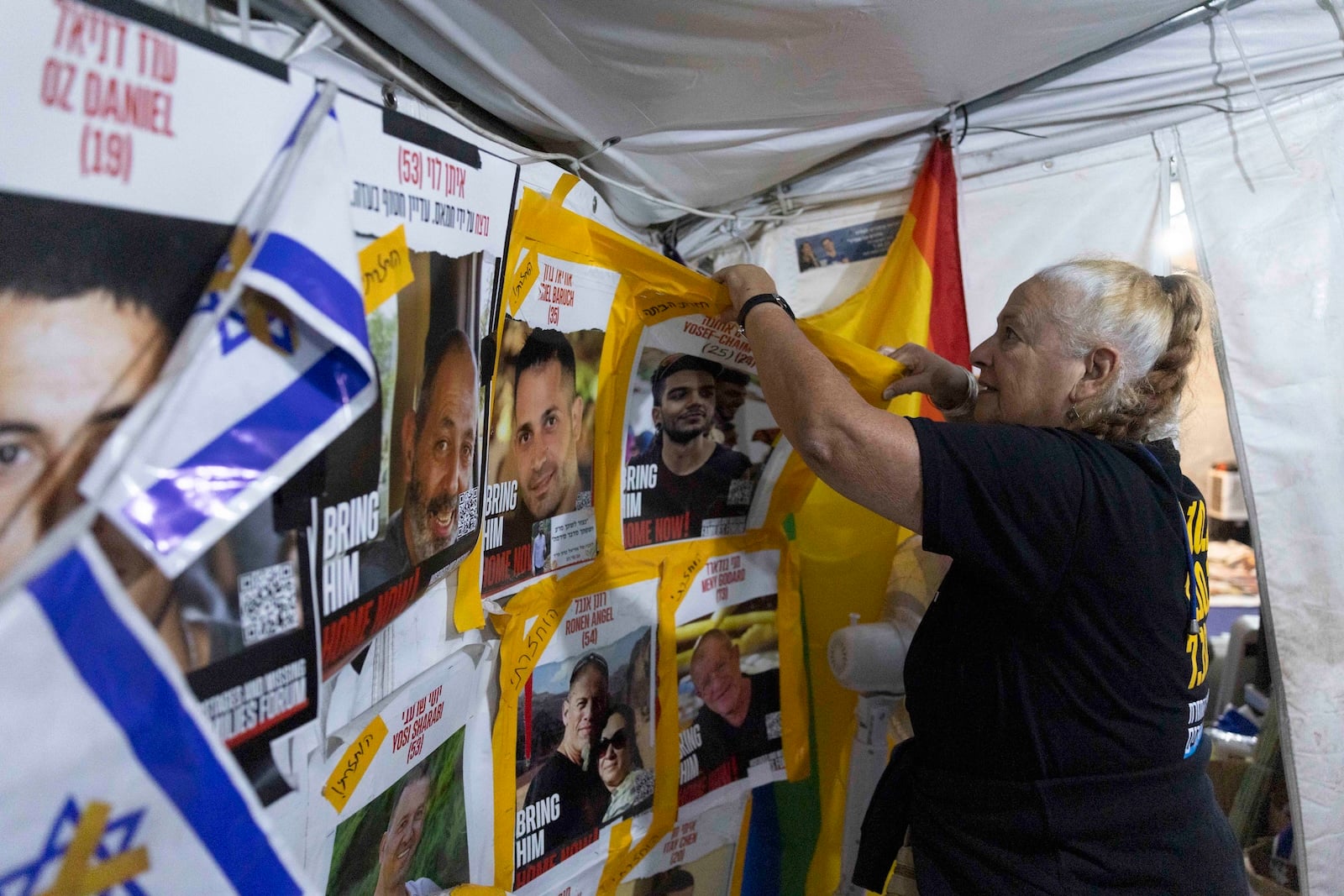
After two years of war and all that came with it, in one night it was over. Twenty live hostages were returned to us, and we are still waiting for the remains of the last of the murdered hostages. Reserve soldiers are still being called to serve, and many are engaged on several fronts in the ongoing conflict called a ceasefire. There are no celebrations of the end of war, no dancing in the streets, no fireworks. It is all too fragile; we are still too fragile. Among the changes that have occurred very quickly is the physical landscape that we came to know over the past two years. Some of the most enduring symbols and signs that held us together are gone, and strangely – I’m ashamed to admit – I am missing them.
The large, ubiquitous banners carrying the faces of hostages, and also those of soldiers who died in battle, are gone from the street corners. These are the faces of our heroes that were etched in our minds. We know their names, their smiles, their eyes. They were all too young, full of life when those photos were taken. Some fought valiantly to survive the tortures of captivity. Many gave their lives, that we might live in our sovereign country. Did my fervent prayers and those of everyone who prayed for them help keep them alive? It was our mission to bake cookies and cakes for the soldiers, to provide meals for the soldiers who came to bury their comrades, and to be menachem avel, to provide comfort, at their funerals. It was our privilege and our honor to keep them in our hearts and our prayers every day. We all still remember them, but the photos that told us that this is our family, this is our story, are gone.
Among the public demonstrations of support for the families of the hostages was one on Shabbat mornings in our neighborhood, where the Messilah park in Jerusalem begins. This gathering of men and women from all the congregations in our neighborhood (Orthodox, Reform, Masorti) and many others was a quiet testament to the compassion for our bereaved neighbors and hostage families, a reflection of the attention we paid, of the love we felt as a community.
The rabbis of these kehillot and other community members spoke words of Torah as they affirmed our vigilance and hope that the hostages would return. In singing “Acheinu,” the prayer for the release of captives, we declared our brotherhood, our connection to all Israel. In singing “Lu Yehi,” “let it be,” we expressed our hope that all our prayers will be answered. The sweetness of our voices joining together gave us comfort and strength, even if we didn’t believe the words. The hostages have been returned, thank God, our prayers indeed answered. But the words of anger and division are everywhere now, and I miss the moments of feeling that oneness.
The big white tents that would often be a sign of a wedding or a simcha in other days became the signpost and the venue for mourning the war dead. I hope I never see another one, but when they appeared in our neighborhood, squeezed between a gas station and an apartment building, or on a parking lot, they were the most profound sign of a family and a community in pain. Hundreds of people came to stand in line (sometimes for hours) to offer personal words of comfort or to share a memory with the mourners, and many came to simply sit in the proximity of the mourners, to be a part of the kehillah in that sacred tent.
The choreography of the friends who organized these tents and brought water on hot days and snacks for someone who might need a sweet in the midst of such tragedy, was moving and impressive. Nothing could diminish the tragic loss of life, but the intense brokenness of the mourners was carried by the community in the tent. To be sure, I do not miss the tents. Yet the offering of comfort, the expression of our extraordinary community, the compassion for one another, is sorely missed.
Truly, we do not need the physical signs of the war to appreciate the remarkable uniqueness of this country at its most challenging and critical moment. What we have witnessed among volunteers and community organizers is simply unforgettable, as they put everything else aside to make this country work when so much was falling apart. While the rest of the world is busy cancelling us and denying our right to exist, we have all met many angels in human clothes who have reminded us how to breathe, how to maintain hope, how to be our best selves, as a free Jewish people in our homeland. May we hold tight to that blessing.