

A Mermaid in Jerusalem
How Hanukkah helps us choose how to be in the world
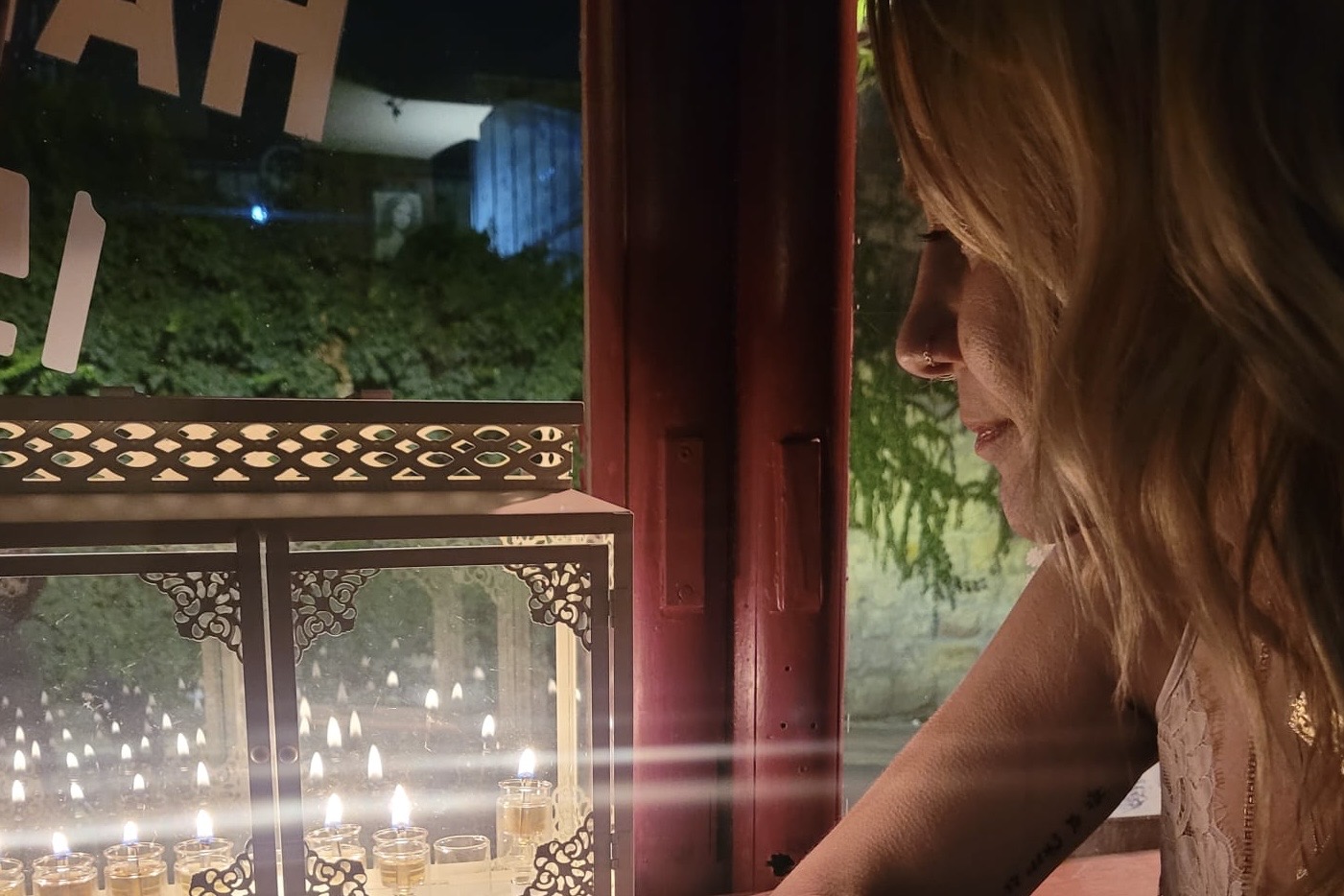
There’s an old Jewish argument about Hanukkah — and like most Jewish arguments, it’s really about how to be in the world .
The sages Rabbi Hillel and Rabbi Shammai disagreed about how to light the menorah.
Shammai said:
On the first night, light eight candles.
Each night after, light one less.
His logic makes sense. The miracle has already happened. The oil is being used up. Each day, there is less potential left than the day before. Count what remains.
Hillel said:
On the first night, light one candle.
Each night, add another.
Not because it’s prettier — though it is.
But because holiness should increase, not diminish.
Because each day the light endures is its own miracle.
Judaism sided with Hillel.
Which means this:
We do not measure our lives by how much light we have left.
We measure them by how much light we have managed to create so far.
Shammai looks at the future and sees loss.
Hillel looks at the past and sees accumulation.
Shammai asks: What’s running out?
Hillel asks: What have we already survived?
Hanukkah doesn’t arrive when things are easy.
It shows up in the longest nights of the year — when families have changed, when childhood feels far away, when the world feels brittle and loud and uncertain.
And still, we add a candle.
Not to deny the darkness — but to refuse to let it have the final word.
One flame says: I’m still here.
Two flames say: I made it another day.
Eight flames say: Look how much light we’ve gathered — even now.
This is not naïve optimism.
It’s moral courage.
And every year, when I light the menorah, I realize:
Hanukkah isn’t just about remembering a miracle that happened once.
It’s about choosing — night after night — to believe that light can grow.