Israel as a global geostrategic axis
How the Islamic State threatens Jews and Christians today
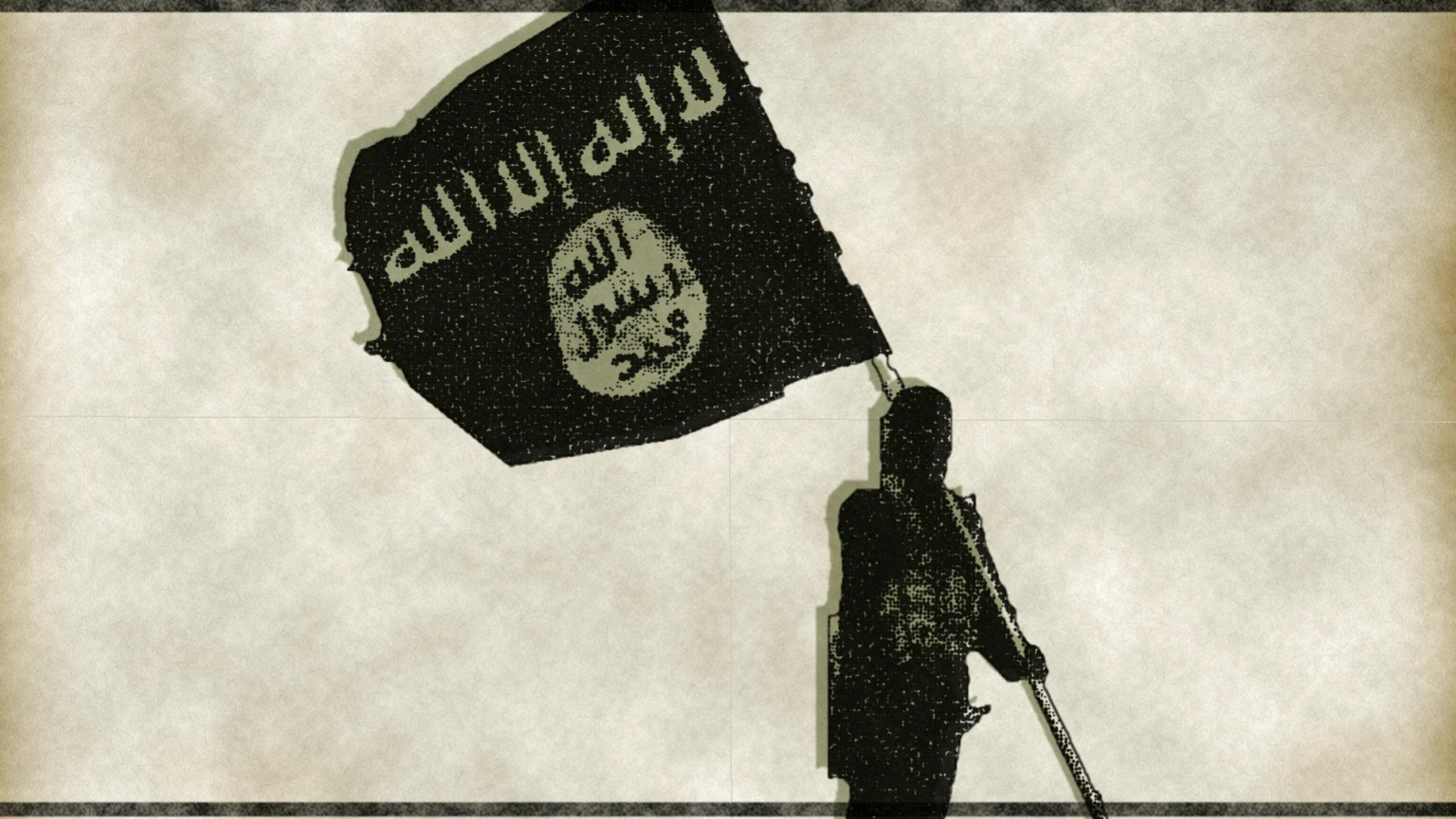
The threat that persists against Jews and Christians (AI-generated image)
In the collective imagination, the Islamic State (IS) occupies a particular place today: that of a defeated threat — a chapter closed with the fall of its territorial caliphate in 2019. The spotlights of global security have turned elsewhere, toward Hamas, Hezbollah and the Iranian axis.
Yet that is precisely what serves the group’s interests. An enemy presumed dead receives no surveillance. Generates no budget. Mobilizes no communities. And it is in that vacuum of attention that IS has been reorganizing itself, naming its targets without mincing words: Jews and Christians.
There is a detail here that almost no one registered. When the terrorists stormed the communities of southern Israel on October 7, 2023, Israeli forces found, among the debris, flags and objects linked to the Islamic State. The massacre was of such magnitude that the signal was lost in the news. But the signal was there, and it said something uncomfortable: IS members were not watching the conflict from the outside. They were already physically inside the epicenter.
Aaron Zelin, a researcher at the Washington Institute, compiled a database of public arrests linked to IS dating back to 2014. The findings of his survey should trouble any analyst. In the three years following October 7, Israel foiled more plots by the group than in the previous nine and a half years combined. The numbers: 50 arrests between 2014 and 2023. Another 46 after the massacre. And 28 attack attempts on record.
One episode helps sketch the profile of this generation. In late December 2023, two young men aged 19 and 20 were detained in Ras al-Amud, an East Jerusalem neighborhood. They were carrying chemicals for making explosives, a notebook of instructions and an IS flag. The plan: to blow up a truck loaded with gas canisters next to the Knesset. In the weeks beforehand, they had been immersed in the group’s sermons. In its decapitation videos.
If the plots inside Israel reveal the threat’s operational face, the rhetoric of the leadership exposes its intended geography. January 2024: IS spokesman Abu Hudhayfa al-Ansari called on Palestinians to break with Hamas — an apostate, in the group’s reading, an instrument of Tehran — and to fight the Jews. For being Jews. In the same communiqué, al-Ansari urged supporters to kill Jews and Christians in the streets and alleys of the West. The battlefield shifted, without metaphor, to the sidewalks of Europe, the United States and Australia.
The exhortation has not cooled. In April 2026, al-Naba, the organization’s editorial outlet, called for attacks on synagogues during the Jewish Passover, citing as its model the Bondi Beach attack in Sydney, in December 2025. And the group’s internal logic renders the targets interchangeable: synagogues, churches, the symbols of both communities. Jew and Christian, in its discourse, are two faces of the same enemy.
IS has not lost its war against Jews and Christians. It lost territory. And what remains may well be worse than the caliphate: a diffuse, rearticulated, modern network, with global rhetoric, named targets and a multitude of potential sympathizers.
Silence, however, is not peace. Containment is not the enemy’s defeat.
The question Zelin poses — and that this article endorses with urgency — remains: why wait for IS’s first success to act?
Shema Yisrael שְׁמַע יִשְׂרָאֵל
Related Topics
Related Posts