

I went to Syria to ask about peace. The answers still echo as talks resume
Amid reports of a possible security agreement about to be reached between Israel and Syria – a rare glimmer of hope emerging from the region today – I found myself reflecting on a similarly pivotal moment thirty years ago. Then, too, there were fleeting hopes for peace between enemy states.
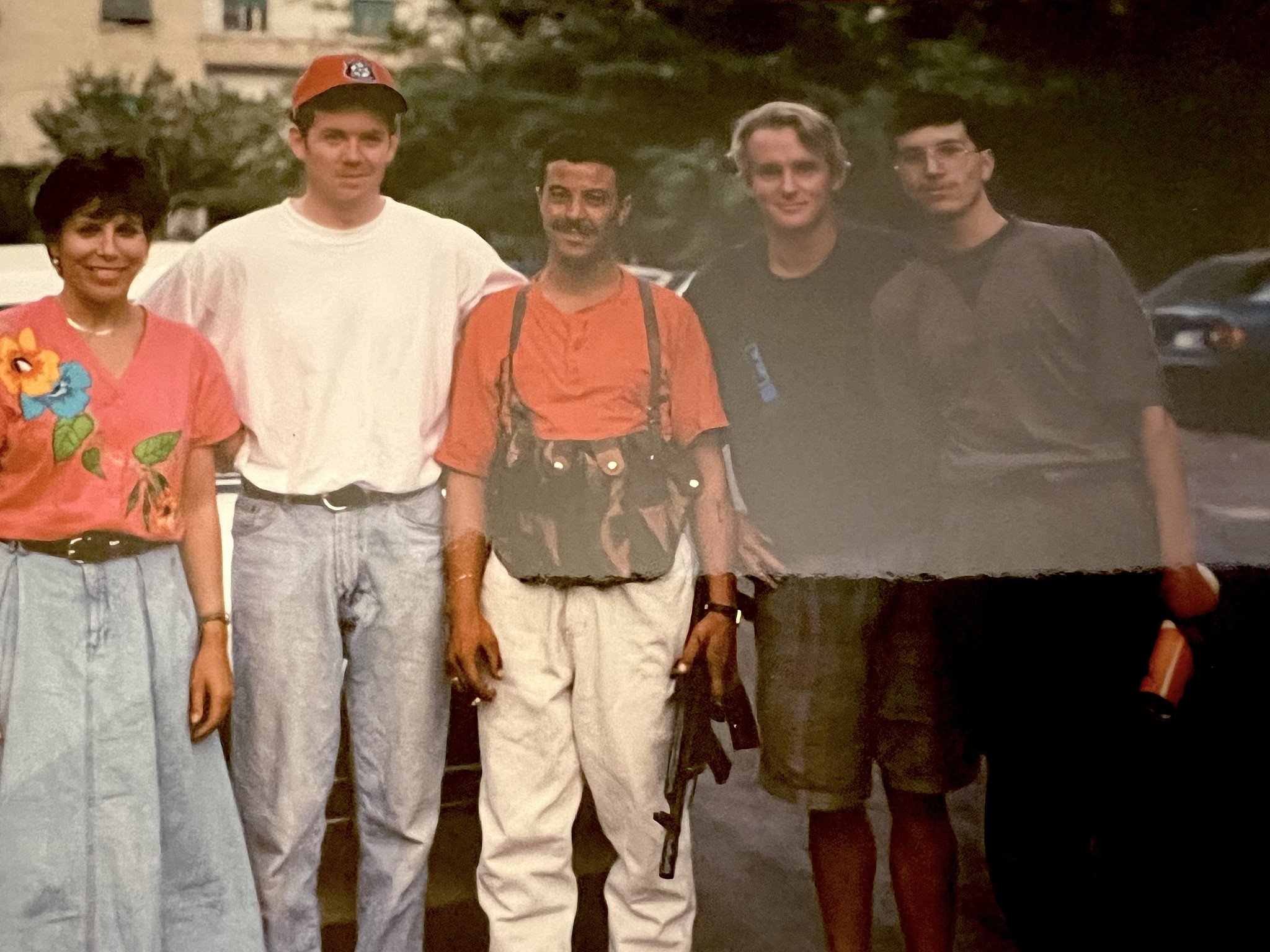
During the 1990s, I traveled twice to Damascus to explore Syrian society’s readiness for peace with Israel. I also met with the leaders of Palestinian extremist groups – figures who not only opposed the Oslo Accords, but, as history revealed, actively worked to sabotage them.
My first visit was in 1993, when I produced a documentary called “Through the Eyes of Enemies: Is the Middle East Ready for Peace?” Over the course of three days, I spoke with everyone from terrorists to taxi drivers, football players to government officials, probing their thoughts on normalization with Israel.
I returned in 1995 as a reporter for the Hebrew news division of Israel Television, seeking to understand why the optimism surrounding Oslo was beginning to unravel. These trips offered a rare and complex view of a society grappling with an idea that, until then, was nearly unthinkable: reconciliation with the Jewish state.
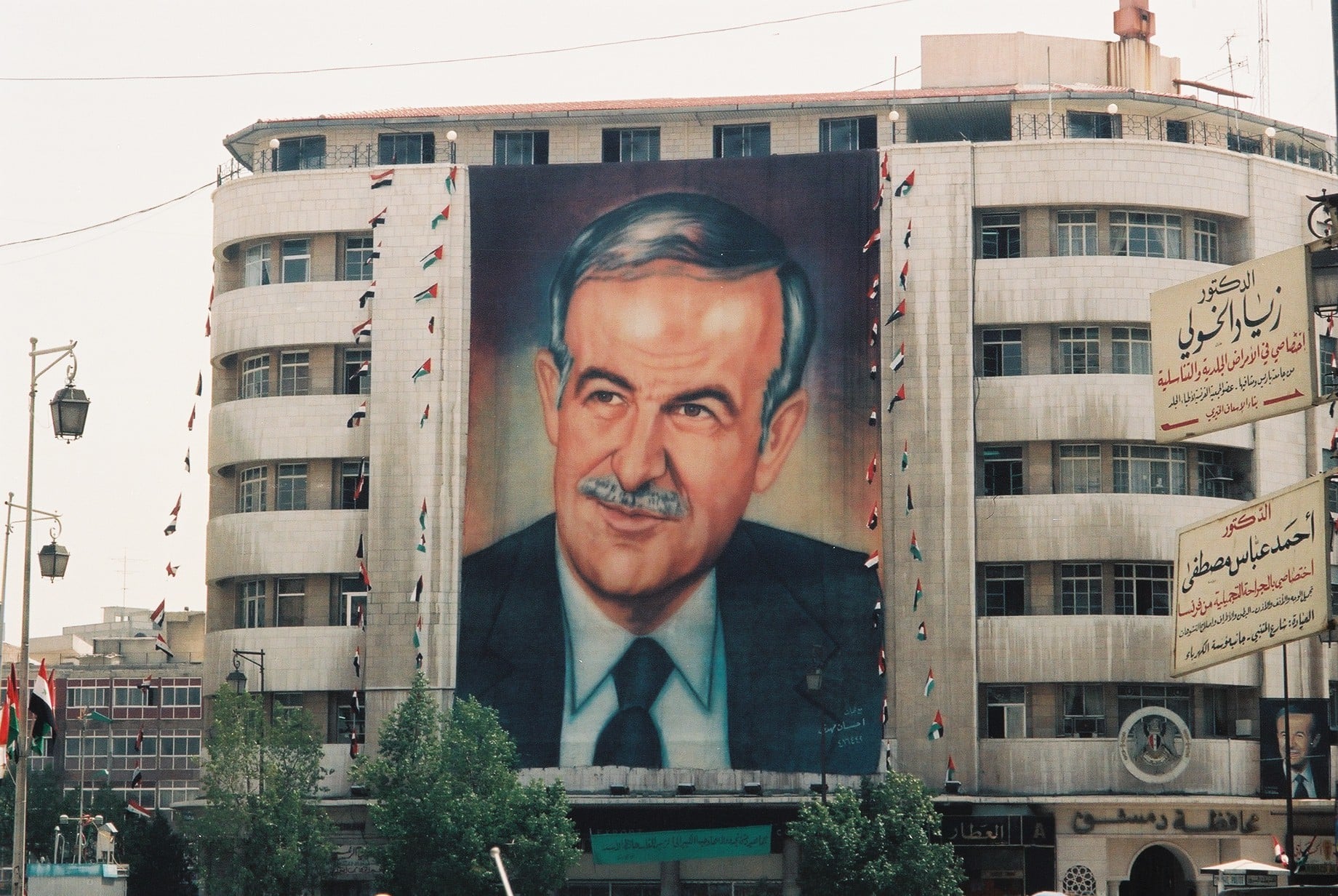
Using my Canadian and US passports, I traveled from Tel Aviv to Cyprus and then to Damascus. I worked alongside European television crews vetted by Syrian authorities. Even so, on one visit, my British-born cameraman Chris was detained at the airport and sent back to Cyprus. I later learned that he had previously worked with a BBC correspondent who produced a critical report on President Hafez al-Assad. That would be Chris’s last attempt to enter Syria.
At the time, no American Jewish delegations were visiting Damascus to support US diplomatic efforts. No goodwill missions to build relationships between Syrians and American Jews. Unlike the recent and fascinating journey described by Times of Israel’s David Horovitz in “48 Surreal Hours in Damascus,” my experience was one of cautious isolation.
‘It will never last’
What I found in 1993 was a population stunned by Assad’s decision to “test the waters” of normalization – and Palestinian rejectionist groups mobilizing to kill the Oslo process.
One of my most vivid memories is watching the September 13, 1993, signing of the Oslo Accords on TV, seated beside Ahmed Jibril, leader of the Popular Front for the Liberation of Palestine – General Command – one of Israel’s fiercest enemies. Until then, Jibril was best known for his group’s involvement in airplane hijackings and kidnappings.
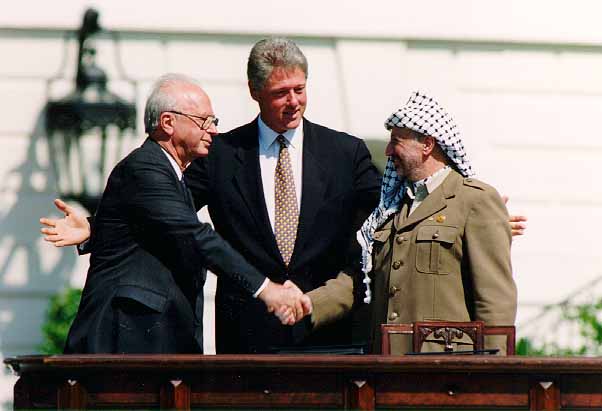
When I asked how he felt watching Yasser Arafat and Yitzhak Rabin shake hands on the White House lawn, Jibril smiled and said, knowingly, “It will never last.”
Within two years, a wave of suicide bombings would begin. Public buses, cafés, and other public spaces in Israel became targets. The Second Intifada loomed. Jibril, it turned out, hadn’t just seen the writing on the wall – he had helped write it.
In addition to Jibril, I also met George Habash, another terrorist leader, and Fathi Shaqaqi of Islamic Jihad. During our interview at his office in a Palestinian refugee camp, Shaqaqi paused at 9 pm to watch Israel Television’s news broadcast. He translated parts of it into English for me, unaware that I spoke fluent Hebrew – and that our interview would air on that very channel the following week.
Shaqaqi lived to see the segment broadcast in Israel. He would not live much longer. Later that year, he was assassinated in Malta – reportedly by Mossad agents.
While in Damascus, I visited Syria’s War Museum. Each room was devoted to a different war with Israel. In the 1967 room, a glassed-off enclosure displayed hundreds of postcards. “These are letters to Israeli POWs from their families,” our guide explained. “They were never delivered.”
In the 1973 room, oversized photos showed Prime Minister Golda Meir weeping and Defense Minister Moshe Dayan with his head in his hands – images meant to depict Israel on the brink of collapse.
Around Rosh Hashanah, I visited the al-Faranj Synagogue in Damascus’s Jewish quarter – the last functioning synagogue in Syria at the time. This was just a few years before almost all of the country’s remaining Jews would leave for the US and Israel.
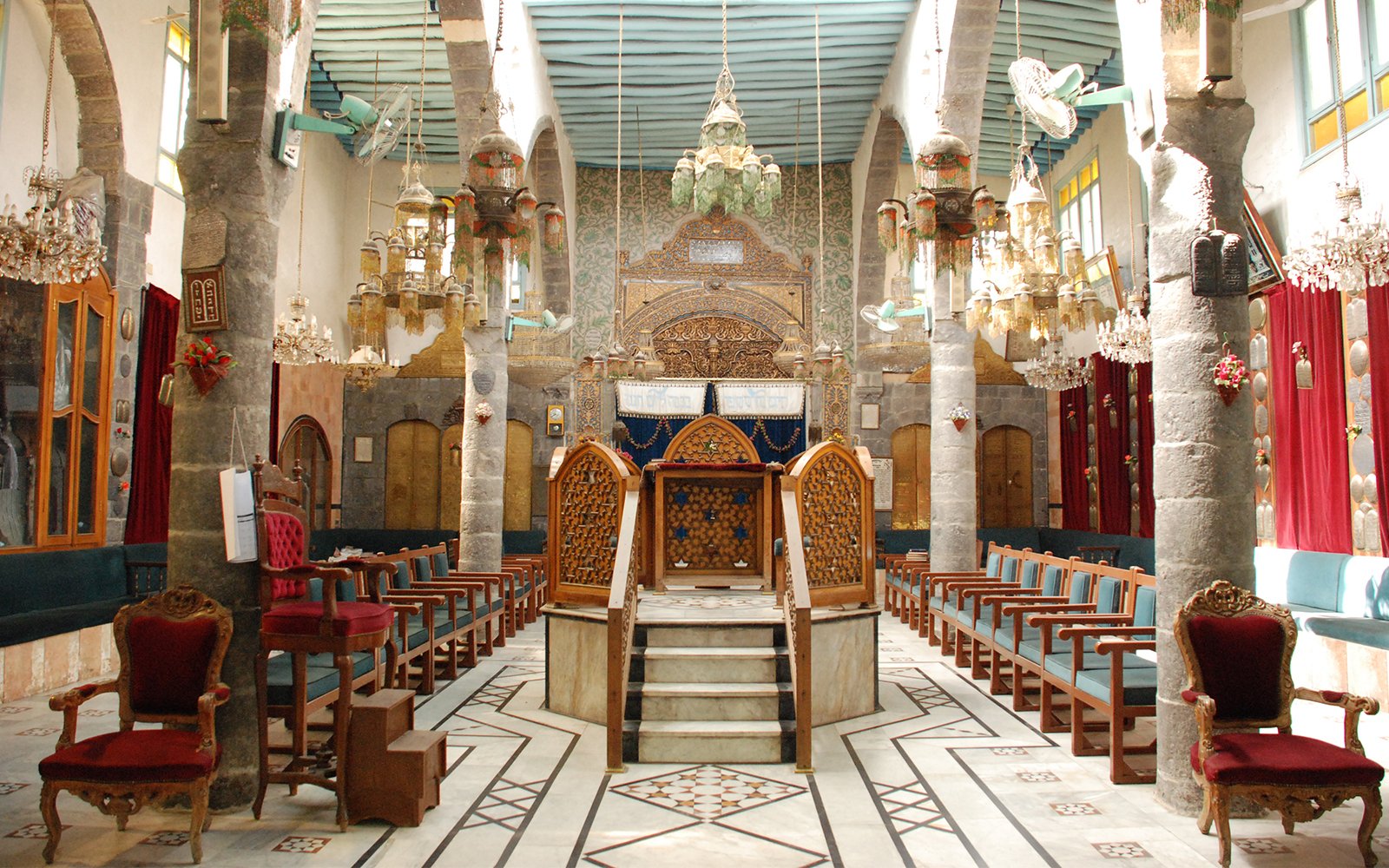
At the synagogue, I met local businessmen, including a jeweler who quietly told me that Syria’s Jews had generally been treated well by the Assad regime. Still, since 1948, he and other Jewish jewelers had been warned not to sell any items of Judaica featuring the Star of David – too closely tied to the Israeli flag.
At least a generation
Between interviews with Palestinian terrorists and members of Syria’s Jewish community, I also spoke with everyday Syrians. A university professor proudly told me he had refused to shake hands with an Israeli academic at a European conference. A football player, who, when asked if he would play against an Israeli team after peace comes, answered with one word: “never.” A schoolteacher who nervously glanced at the government minder from the Ministry of Information before answering each of my questions, afraid she would say something wrong. And one young schoolgirl who looked as though she might cry just hearing the word “Israel.”
Veteran journalists told me before I left for Syria that it was only recently that we could actually name the country Israel out loud. Until then, they would substitute the word “Dixie.”
What I learned in those visits over 30 years ago was this: hostility toward Israel was deeply embedded in the Syrian psyche. Even if peace had been achieved, it would take at least a generation, if not two, for the idea of normalization to gain a meaningful foothold.
And now, three decades later, we return to the question:
Can Ahmed al-Sharaa – a former jihadist and veteran of al-Qaeda – succeed where Assad failed? Can the exhaustion of civil war, the overthrow of Assad, the son, and Israel’s weakening of Iran and Hezbollah create a new window for peace?
Perhaps.
But my optimism is tempered by the voices I heard during those six days in Syria, reminders of a 77-year conflict deeply rooted in narrative and identity. Peace, I came to understand, is not simply brokered by leaders or codified in accords but must take hold in the hearts of people – taxi drivers, teachers, football players, and schoolgirls – before it can truly endure.