IDF Veteran Amit Bar Reflects on Sacrifice, Recovery, and Hope
Introduction
In times of conflict, statistics and headlines often dominate the conversation. Yet behind every story are individuals whose experiences reveal the human reality of war, resilience, sacrifice, and recovery.
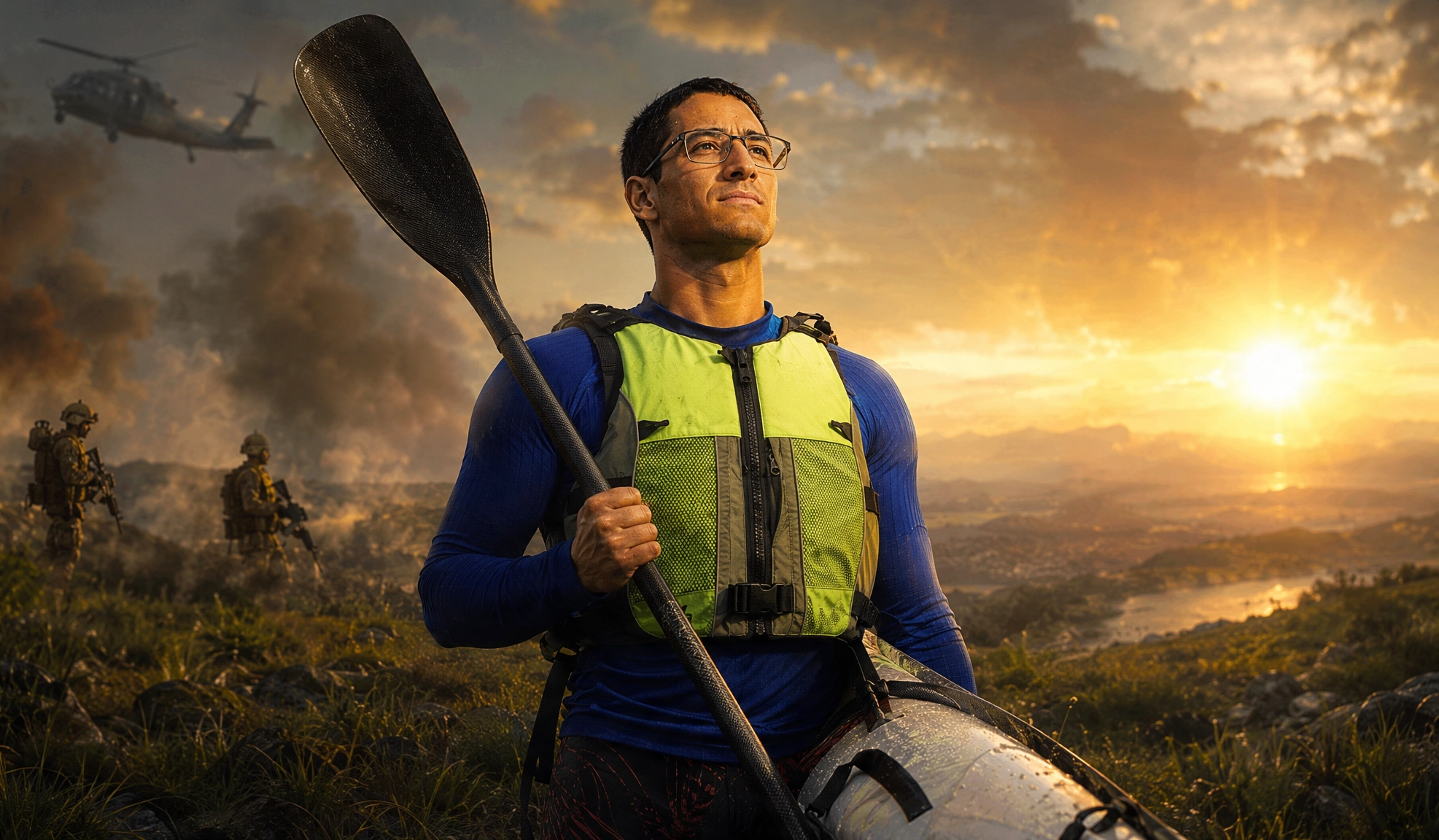
This interview presents the remarkable story of Amit Bar, a former combat soldier in the Nahal Brigade who was severely wounded during the Iron Swords War. After losing his leg in an explosion in Gaza and enduring months of surgeries and rehabilitation, Amit chose not to let tragedy define his future. Instead, he transformed his experience into a mission of advocacy, public service, and diplomacy.
Through his reflections on October 7th, military service, personal loss, recovery, antisemitism, and hope for the future, Amit offers a powerful perspective on courage, responsibility, and the importance of standing against hatred and terrorism. His story is not only about surviving adversity but also about finding purpose in the face of immense challenges.
The following interview provides a firsthand account of resilience, determination, and the enduring strength of the human spirit.
Interview
1. Personal Journey
Amit Bar, tell us a little about your personal journey.
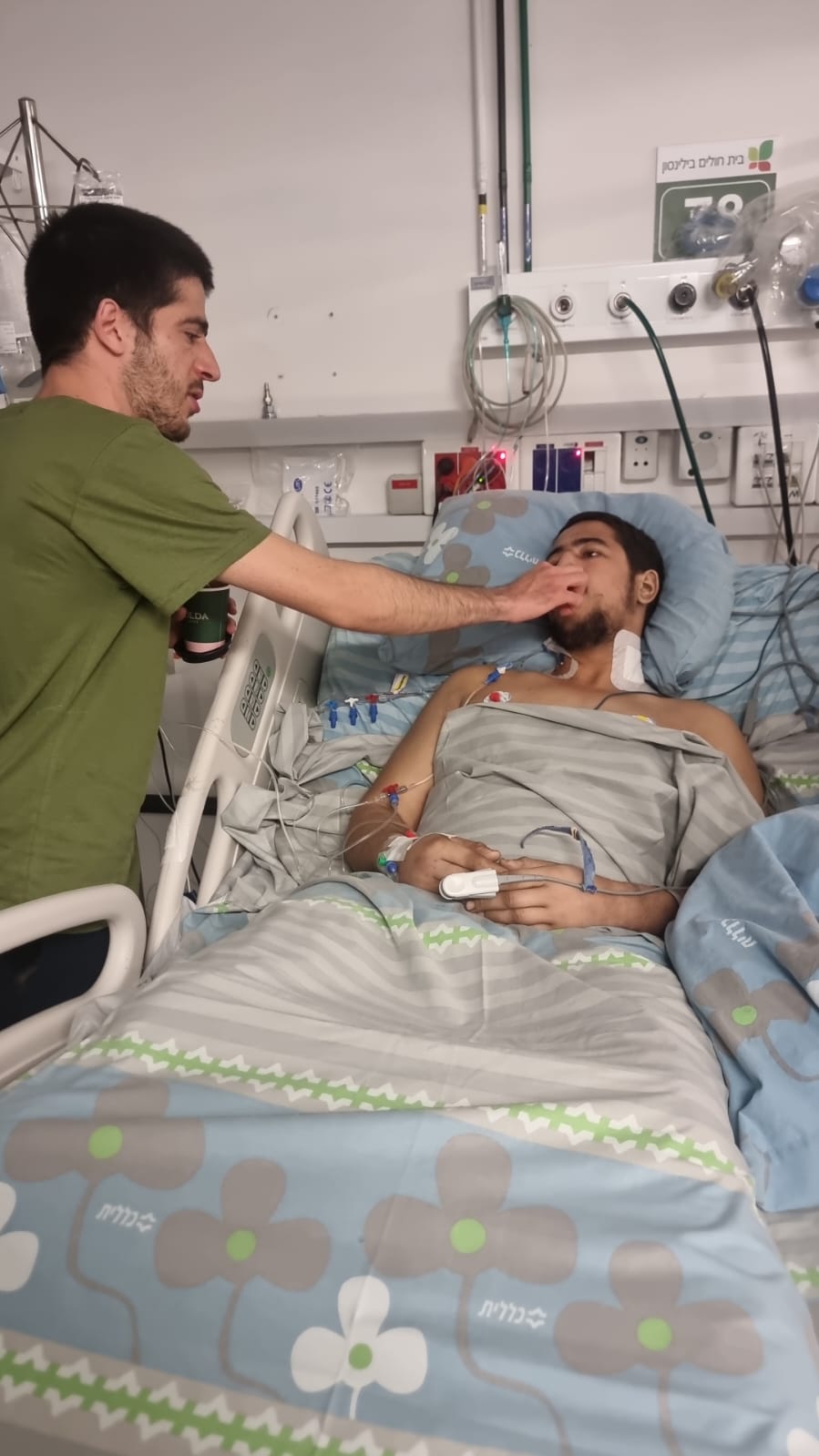
My name is Amit Bar. I served as a combat soldier in the Nahal Brigade and was severely wounded during the Iron Swords War. On December 26, 2023, while operating in Jabalia, Gaza, multiple explosive devices detonated beside my unit. The blast led to the loss of my leg and the deaths of three of my brothers-in-arms: Major Shai Shamriz, Captain Shauli Greenglick, and Sergeant Noam Yosef Abu. Every step I take today is dedicated to their memory.
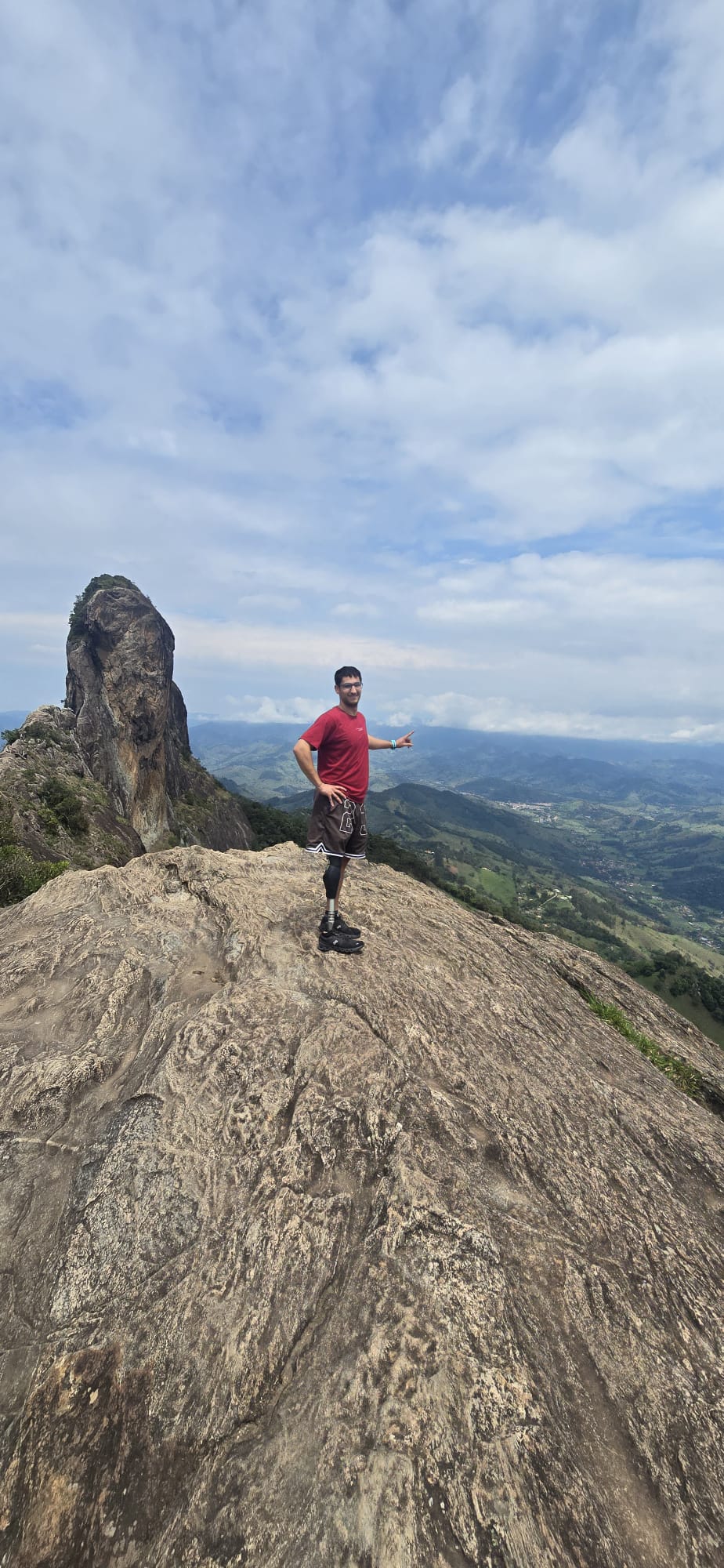
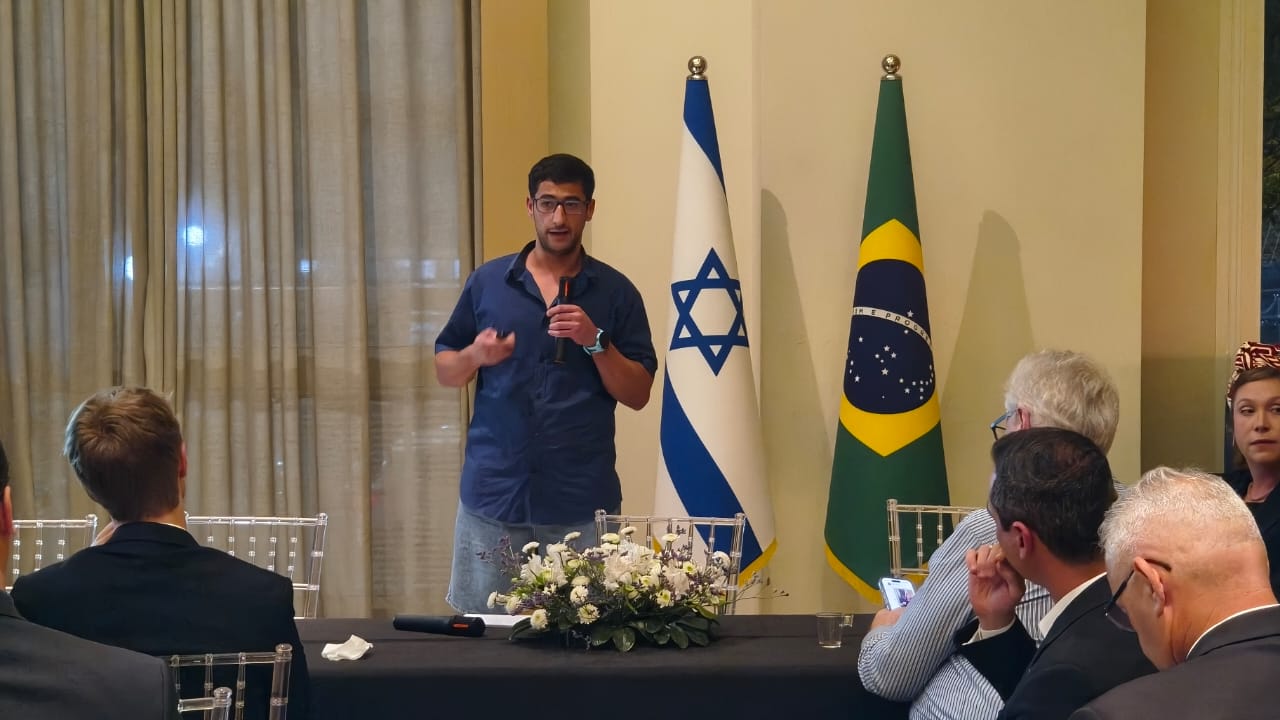
After months of surgeries, rehabilitation, and learning how to walk again with a prosthetic leg, I was discharged from full-time hospitalization on October 7, 2024. Today, I am studying Government and Diplomacy at Reichman University. While I can no longer defend Israel on the battlefield, I have chosen to continue serving through my voice, my story, and the fight against terrorism and hatred.
2. October 7th
What was October 7th like for you? Where were you, and what happened when you learned about the attack?
On the morning of October 7th, I was at home when I turned on the news and saw the horrifying images emerging from southern Israel. It was surreal and devastating. Within minutes, I received an emergency call-up from the IDF.
Before leaving, I hugged my parents, and my mother prepared a plate of her famous Kubbeh. I ate it slowly, knowing it might be my last home-cooked meal for a long time. My unit was initially deployed to Israel’s northern border to prepare for a possible Hezbollah infiltration. Watching the events unfold, I realized how fragile and precious the State of Israel truly is and how determined we must be to defend it. We have no other country.
3. Fear of Defeat and Terrorism’s Prevalence
At any point did you think Israel might lose the war and that terrorism would prevail?
Fear is natural, and every soldier feels it. But on the battlefield, you don’t focus on political questions or worst-case scenarios. You focus on accomplishing the mission, protecting your comrades, and bringing your people home.
Before entering Gaza, my commander, Shai Shamriz, spoke about the biblical concept of Hineni (“Here I am”). He reminded us that throughout history there were always people willing to stand up and protect the Jewish people. That sense of responsibility gave us purpose. Fear never disappeared, but purpose became stronger than fear. That is why I never believed terrorism would ultimately prevail. The spirit and resilience of our people are stronger.
4. A Young Person’s Experience in War
What is it like for a young Israeli to face a bloody war?
It is incredibly difficult. No young person wants to experience war. But after October 7th, I could not remain at home while my country was under attack. Many young Israelis felt the same responsibility.
I often think about Viktor Frankl’s idea that people cannot always choose their circumstances, but they can choose their response. I chose to step forward, knowing the risks. When your people, your family, and your country are threatened, you realize that there are things larger than yourself. We did not choose October 7th, but we can choose how we respond to it.
5. Suffering and Future Plans
After the severe suffering you experienced in Gaza, did you ever think about giving up? How did you cope, and what are your dreams moving forward?
The suffering was immense. There were moments of intense physical pain, multiple surgeries, dangerous infections, and the grief of losing close friends and commanders. In the darkest moments, thoughts of giving up crossed my mind, but I never allowed them to take hold.
Every day I look at my prosthetic leg and remember why I lost it: to defend my people and help bring our hostages home. That purpose helped me keep going. My family, whom I call my “Fantastic Four,” stood beside me every step of the way.
Writing, storytelling, and humor became powerful tools in my recovery. Looking forward, I want to build an independent life, have a family, contribute to society, and work in diplomacy and international relations. If I can no longer defend Israel on the battlefield, I will defend it through advocacy, diplomacy, and truth.
6. Antisemitism and Global Risks
What changed in your life after October 7th? How do you see the world today, especially with the rise of antisemitism in Europe and the risks this may bring to Brazil?
Before October 7th, I viewed Israel and Jewish communities abroad as somewhat separate realities. Today, I understand that we are deeply connected and share a common fate.
Since the attacks, antisemitism has risen dramatically around the world. This is not only a threat to Jewish communities; it is a warning sign for democratic societies everywhere. When hatred, extremism, and violent rhetoric are allowed to grow unchecked, they threaten the values and stability of entire nations.
The events of October 7th reinforced for me that Israel is the ultimate safe home and anchor for Jewish people worldwide. We must remain united, proud, and vocal against hatred wherever it appears.
7. Youth Facing Antisemitism
Young people are exposed to this global scenario of tensions and prejudice. What advice would you give to young Jews today?
My advice is simple: never bow your head and never hide who you are.
Be proud of your Jewish identity, your heritage, your traditions, and your connection to Israel. Do not allow hostility or prejudice to silence you. Stand tall and remain confident in who you are.
I also encourage young Jews to visit Israel, strengthen their connection to the Jewish people, and remember that they are part of an extraordinary story of resilience that spans thousands of years. Most importantly, know that you are never alone.
8. Final Message to the Public
What message would you like to leave directly to our audience?
My story is not really about me. It is about resilience, responsibility, and the strength of the people of Israel.
Life will challenge all of us. Sometimes, as a child, you lose your favorite Spider-Man doll, and sometimes you lose a leg in battle. We cannot always choose what happens to us, but we can always choose how we respond.
Two lessons from my commanders stay with me every day. Major Shai Shamriz would always say: “Look into the target’s eyes, and drive forward.” Captain Shauli Greenglick would say: “It’s all mental. Everything is in your mind.”
We must stay united, reject terrorism and hatred, support those rebuilding their lives after conflict, and continue choosing life over despair. No matter the challenge, we must keep moving forward
Instagram: @amit.ush2000
By Liane G. Zaidler and Silas Anastacio