I’m done hoping for Haredi enlistment
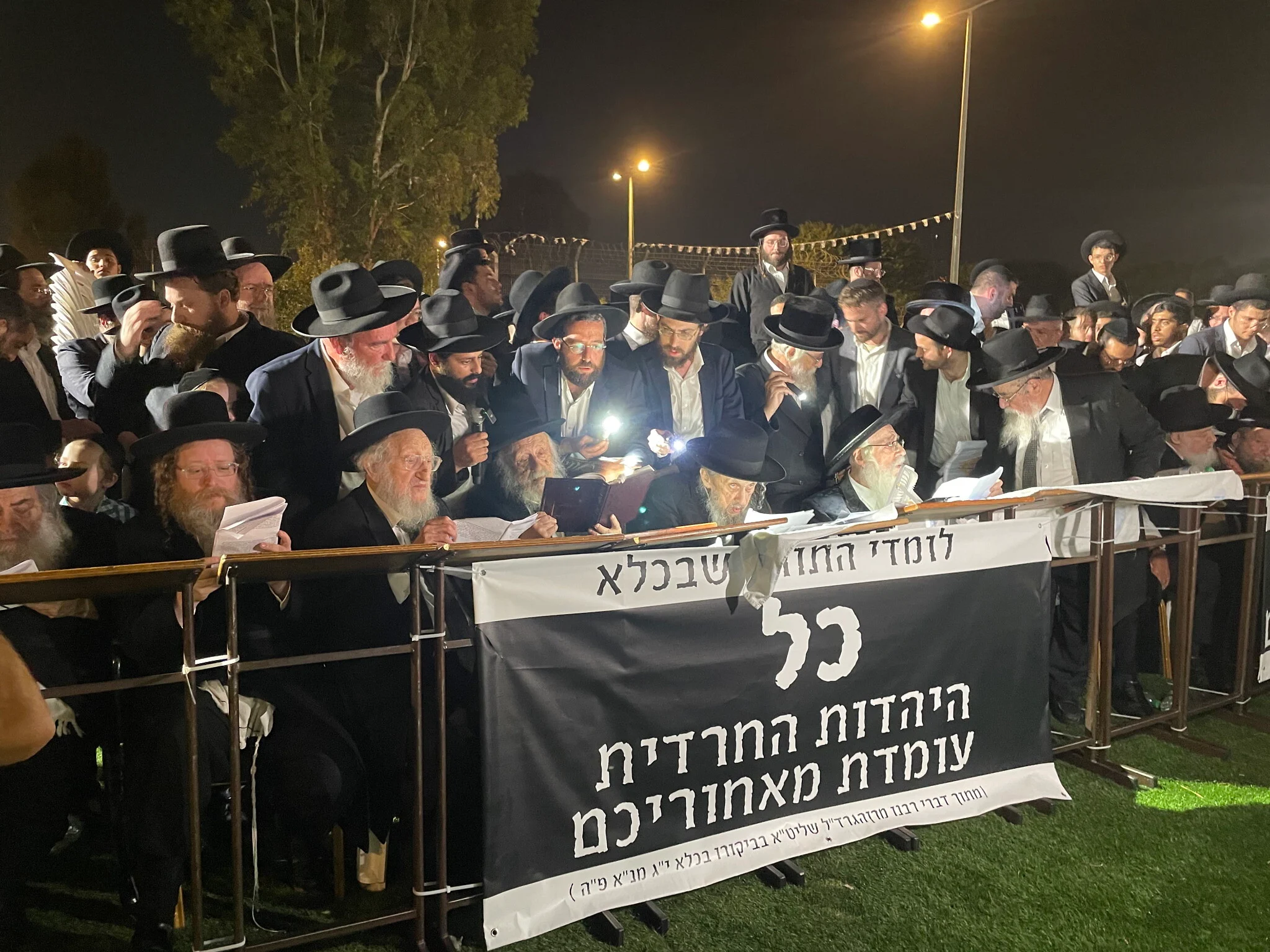
The central question surrounding the bill on ultra-Orthodox enlistment that is now moving through the Knesset should be only this: Will the law bring about the long-awaited change, or will it change nothing at all? Focusing on this core question is necessary, especially given the political noise surrounding it.
Decades of discussions, committees, draft proposals, studio commentaries, and political maneuvers have failed to produce the desired change on the issue of Haredi enlistment in the IDF. Even those who believed and hoped that after the October 7 massacre something would shift, that the scale of the tragedy and the shock would move hearts and minds in ways other events had not, that perhaps the immense burden on reservists and on the country as a whole would foster a spirit of generosity, a shared understanding of Israel’s security challenges, they, too, have been disappointed.
Some looked hopefully at hundreds of religious-Zionist women who had previously chosen national service and now, because of the war, enlisted in the IDF. Others saw men who had been exempt due to age, past medical conditions, or outdated qualifications volunteering and serving. Even some Haredim who felt they could no longer stand aside asked to enlist under emergency draft provisions and are now contributing to the national effort, providing a flicker of hope.
Yet we must acknowledge, painfully, that the Haredi leadership has not internalized what much of the public has already understood: the nation’s time of need must be met with a national willingness to respond.
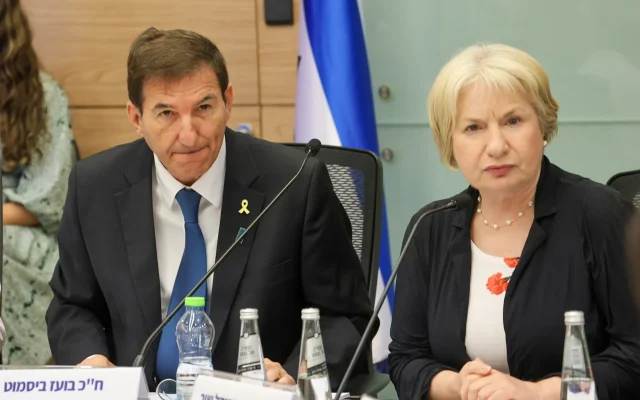
In 2018, when Avigdor Liberman was minister of defense under Prime Minister Benjamin Netanyahu, a significant coalition crisis erupted over the draft law that was presented at the time. Liberman, understanding that the IDF has the professional authority to define Israel’s security needs, insisted he would accept only an enlistment framework offered by the defense establishment. The Haredi parties threatened to withhold support for the state budget. In November of that year, after the cabinet decided to halt strikes on Gaza, Liberman resigned.
With his resignation, another possible source of hope was lost. He had been meeting secretly with rabbinic leaders in an attempt to bypass the Haredi political leadership and gain their support for enlistment. A brief search shows meetings he held with Rabbi Chaim Kanievsky ztz”l in 2009, with Rabbi Shmuel Auerbach ztz”l in 2013, and with the Admor Rabbi Shlomo Bozu in 2017. There were many additional meetings that were never publicized. Liberman often boasted, “I am the politician who has met with the most rabbis.”
Some rabbis demonstrated impressive familiarity with Israel’s security challenges; some even expressed willingness to take steps in that direction. But once political considerations entered the picture, they withdrew and with them, the hope of change. Years of discussions, both public and behind the scenes, failed to produce a breakthrough; they merely prolonged the stalemate. The number of Haredi men reporting to the draft office has barely changed for far too long.
Recently, I was appointed commander of a Home Front Command district. As a colonel, I stand at a critical junction between force employment and force buildup. On one hand, I must take the manpower we have and mold it into solutions for today’s challenges. On the other hand, I must train and prepare the people who will staff the district in the future. This role has made overwhelmingly clear how short we are on personnel, how vital it is, how utterly critical that those avoiding military service join the effort – not some time in the future, but now.
I know the complexities well. I understand the different challenges that stem from different ways of life. The mosaic of Israeli society is complicated. Yet an essential question must be raised: Should every sector share in carrying the burden? My answer is an unequivocal yes.
From this premise emerges the need to engage in dialogue with all groups, including the Haredim. However, the political system cannot be expected to deliver a true solution. We have already learned that political interests are not always pure; they do not always align with the fundamental question.
In the 1990s, I believed that the Haredi political leadership would be attentive to the country’s needs and would craft a meaningful response that would allow enlistment while preserving the identity and culture of Haredi soldiers. Reality proved otherwise. It shattered that hope, not only mine, but that of Israeli society at large.
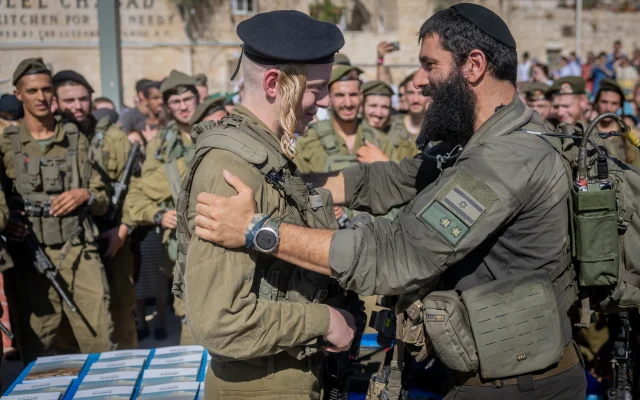
As a religious person and a believer, I view Torah study as a value of utmost importance. Yet the war that began on October 7 has underscored the critical need for every group in our society to share the burdern, to take part genuinely in the long, grueling effort required to sustain a Jewish and independent state.
With the numbers of IDF soldiers killed and wounded in this prolonged war before our eyes, I hoped that something would change. As an IDF officer who chooses to continue volunteering despite my age and number of children; as a father of five soldiers, with a sixth child about to enlist; as a neighbor to many who are serving, I hoped that something would change. I hoped that the Haredi community, known for its spirit of volunteerism and mutual responsibility, would understand the need for their participation based on the core Jewish value of “do not stand idly by the blood of your neighbor.”
But the statements by politicians, the demonstrations against arrests of men who do not enlist, the draft bill written in a way that shows we are once again merely stalling, all these have nearly extinguished that hope.
I tend to favor dialogue, yet that dialogue has been held, and it has failed. It seems the time has come. The State of Israel needs courageous leadership that will make a decisive ruling: the Haredim, too, must carry the burden.
If the heads of the yeshivot truly care about the world of Torah, the survival of the yeshivot and the continuity of the magnificent Torah enterprise rebuilt in Israel after the destruction of the Holocaust, then they must ensure that there are enough soldiers to guard the borders of our land, to protect both the Torah and the Land of Israel.
The era of endless dialogue is over. It has produced nothing. We need soldiers. We need training. We need to rebuild hope after years of disappointment.