A first step: Jewish prayer is returning to the Temple Mount
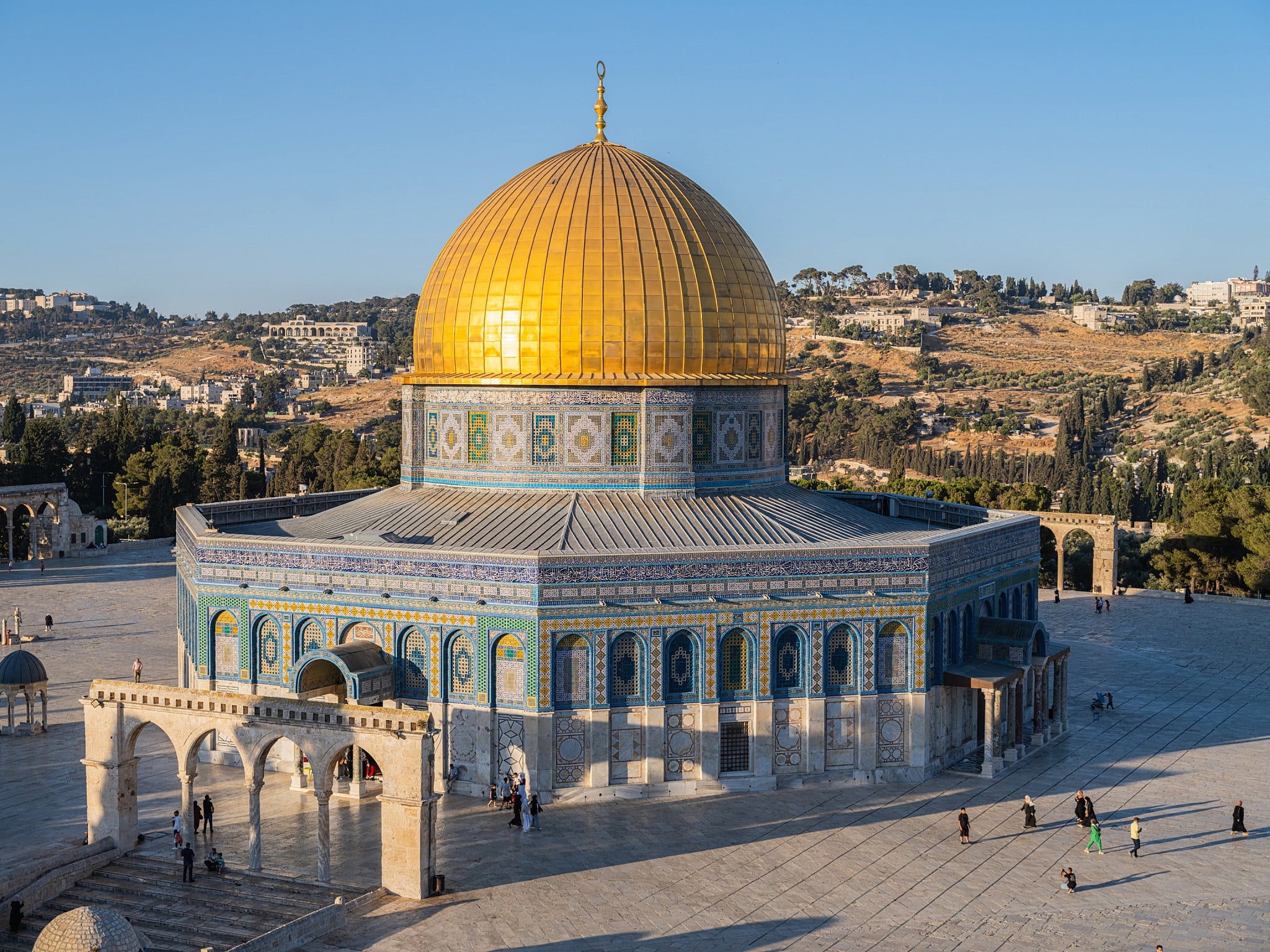
Today, for the first time in 2,000 years, Jews are officially allowed to pray on the Temple Mount with printed pages – a right denied for far too long. Full prayer books remain restricted, but even this small acknowledgment is a historic breakthrough after years of political struggle, lobbying, and activism.
Meanwhile, Muslims continue to enjoy unrestricted, permanent access to pray freely across the site, a glaring reminder of the hypocrisy and imbalance of the old status quo. For decades, Jewish worship at our holiest site was treated as a crime, with visitors arrested for whispering prayers, bowing, or carrying a siddur. Today’s change doesn’t erase the corrupt injustice of the past, but it marks a decisive step forward: Jewish prayer is returning to the Temple Mount, and we will not settle for anything less than full freedom.
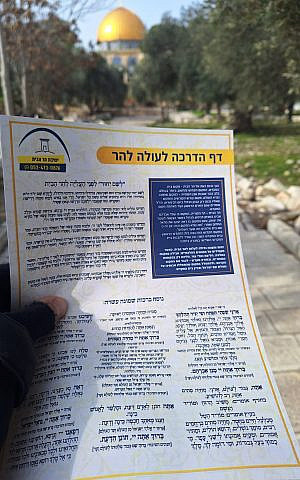
The Temple Mount is the holiest site in Judaism, where the First Temple was built by King Solomon and the Second Temple was later rebuilt, standing as the spiritual heart of our people for centuries. Our connection to this sacred mountain stretches far beyond the Temples themselves; it goes back 4,000 years to the very beginnings of the Jewish people.
Long before any Temple stood, God commanded Abraham to take his son Isaac to Mount Moriah – the very same site that would later become the Temple Mount – and offer him there as a sacrificial offering (Genesis 22:2), an act forever linking our faith to this land.
Centuries later, King David acquired the site through purchase, establishing a clear, documented connection to the mountain (2 Samuel 24:24). Even in exile and oppression, Jews never stopped praying toward this mountain, mourning on Tisha B’Av and vowing “Next year in Jerusalem.”
In 1967, during the Six-Day War, Israel achieved one of the greatest moments in Jewish history. Jerusalem was reunited, and Israeli paratroopers entered the Old City through the Lions’ Gate, reaching the Temple Mount itself. The radio call, “The Temple Mount is in our hands,” marked not only a military victory, but the return of the Jewish people to the heart of their history.
That moment of victory was followed almost immediately by profound disgrace and strategic failure.
Then-Defense Minister Moshe Dayan made one of the worst decisions in Israeli history: he voluntarily surrendered effective control of the Temple Mount to the Islamic WAQF. This was not required by law, nor forced by defeat, but justified by fear: fear of international backlash, fear of diplomatic pressure, fear of an imagined religious war triggered by Jewish rights on Jewish soil. In the name of “stability,” Jewish sovereignty was curtailed at the very moment it had been reclaimed.
That decision was later cemented as the so-called “status quo,” and it has failed on every level. Rather than reducing tensions, it increased incitement and fueled violence. Rather than calming the region, it fueled the lie that Jews being there was the problem. Israel was condemned regardless, while Jewish rights on the Temple Mount remained frozen.
Under this arrangement, Muslims have enjoyed permanent, unrestricted access to the Temple Mount, praying freely and publicly at all times. Jews and all other non-Muslims have faced extreme restrictions. Entry has been limited to specific hours and days, through a single gate, under constant police supervision. Prayer, singing, bowing, or even moving one’s lips in devotion was forbidden. Jews were barred from bringing basic religious items, including a siddur, tefillin, a tallit, or ritual items such as a lulav and etrog. For decades, Jews were detained, removed, banned, and treated as agitators – not because prayer was illegal, but because Jewish prayer was deemed unacceptable.
The result has been full religious freedom for one group that claims this site as its third-holiest place, and enforced restraint for the people for whom this mountain is the holiest place on earth, on a site conquered by Jewish soldiers, under Israeli sovereignty.
Today marks a historic, though still limited, victory. For the first time in decades, Israeli police have officially allowed Jewish visitors to bring a single, specific printed prayer page, prepared and distributed by the Temple Mount Yeshiva, onto the site. It is a small step, but a symbolic one: Jewish devotion is being recognized where it was long suppressed, and the truth that this is our holiest site can no longer be ignored.
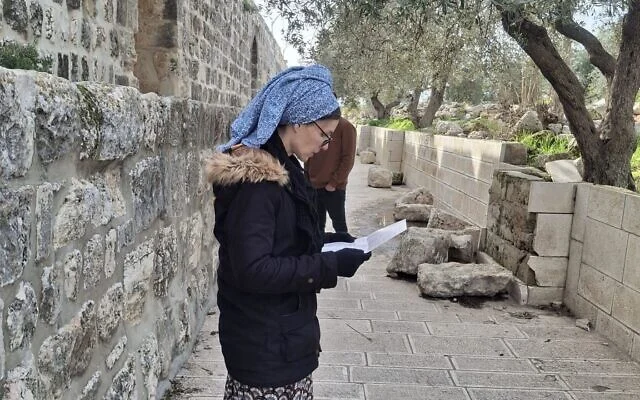
The restrictions remain. Entry is still controlled, broader prayer books and Torah scrolls are forbidden, and full freedom is still blocked. But this is no accident; it is the result of years of political struggle, advocacy, and insistence that Jewish prayer cannot be silenced. Leaders and activists fought to turn reality into recognition, and today that fight has won a partial victory.
Let this be clear: this is just the beginning. Jewish prayer is returning to the Temple Mount, and we will not settle for anything less than full freedom. Every page carried, every prayer spoken, is a declaration: the Temple Mount belongs to the Jewish people, and no law, agreement, or intimidation can change that.
zzz
The restrictions remain. Entry is still controlled, broader prayer books and Torah scrolls are forbidden, and full freedom is still blocked. But this change did not happen by accident. It is the result of years of political struggle, relentless advocacy, and refusal to accept the suppression of Jewish prayer on our holiest site. Leaders and activists challenged the status quo at every turn, demanding recognition of a simple truth: Jewish prayer cannot be silenced.
National Security Minister Itamar Ben-Gvir’s appointment and unwavering support for Jewish worship on the Mount finally turned that reality into official policy, even if only partially.
This breakthrough did not happen by accident. It is the result of years of political struggle, relentless advocacy, and refusal to accept the suppression of Jewish prayer on our holiest site. Leaders and activists pushed, argued, and challenged the status quo at every turn, demanding recognition of the truth: the Temple Mount belongs to the Jewish people, and Jewish prayer cannot be ignored or criminalized. National Security Minister Itamar Ben-Gvir’s appointment and unwavering support for Jewish worship on the Mount finally turned reality into official policy, even if only partially.
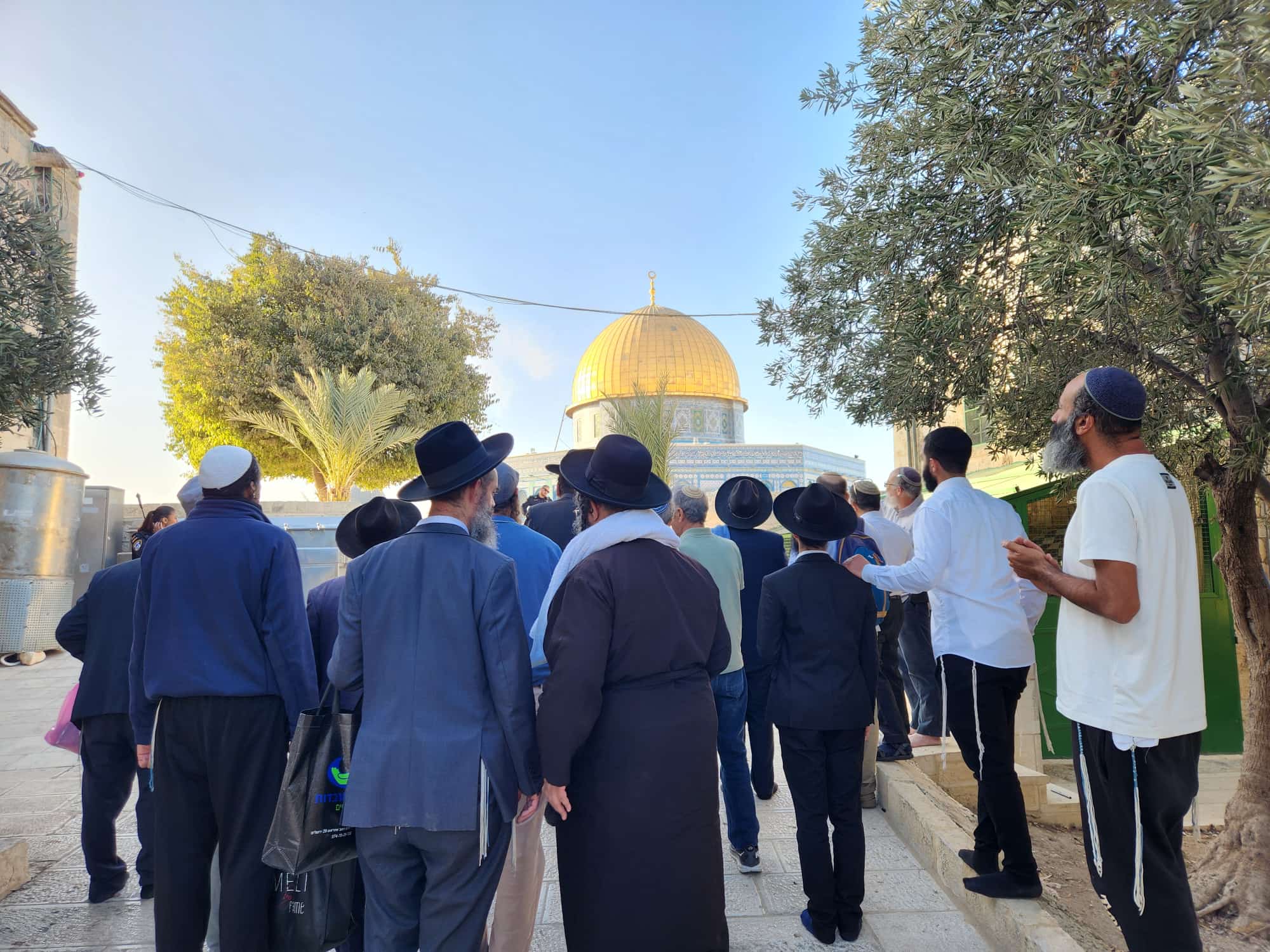
Make no mistake – the victory is still limited. Only a single printed prayer page is allowed; full siddurs, Torah scrolls, tefillin, tallit, and other ritual items remain forbidden. The fight is far from over. But the principle has been established: Jewish prayer on the Temple Mount is no longer a secret or a provocation. It is official, sanctioned, and impossible to ignore.
Let this be clear: this is just the beginning. Every prayer spoken, every page carried, every step onto the Mount is a declaration. The Temple Mount belongs to the Jewish people – by history, by scripture, and by right. Today’s victory is significant, but it is only a stepping stone. The struggle continues, and it will not end until Jewish prayer is free, open, and unfettered on our holiest site.