


In Gaza, the Israeli far right may still get its way
For the better part of two years, the assessment among political analysts both in Israel and abroad was nearly unanimous: Prime Minister Netanyahu’s political dependence on his far-right partners indelibly shaped his approach to the Gaza war. Going for a hostage-ceasefire deal, so went the conventional wisdom, would mean pouring cold water on the settlement movement’s fantasy of returning to Gaza, thereby collapsing his governing coalition.
Now, Netanyahu has defied the far right by acquiescing to President Trump’s plan to end the war, and predictions of a coalition crisis appear to have been overblown. While the far right’s ministers publicly railed against the hostage-ceasefire deal and voted against it in the cabinet, they have not made any moves for the door. During the most recent Gaza ceasefire this winter, National Security Minister Itamar Ben Gvir withdrew his Otzma Yehudit party from the government in protest, only to rejoin once the war resumed. His decision not to repeat this move now is notable, especially since, unlike last time, the ceasefire is being framed as an actual end to the war.
The contrast is telling. Ending the war may be a setback for the dream of resettlement, but it is far from a death knell. How the Trump outline ultimately unfolds will determine whether the far right’s dream becomes a reality or dies. In fact, the messianic wing of the settlement movement has a clear playbook for shaping this post-war reality in its image, provided it is given the chance to do so.
A key factor in the Trump administration’s successful diplomatic push to end the war was its embrace of constructive ambiguity. Rather than hammer out the thorny details of Gaza’s post-war governance and security, the Trump team cajoled the parties into agreeing only on the hostage-ceasefire element and vague parameters for what comes next, all underwritten by American guarantees that the war would not resume and Hamas would no longer threaten Israel.
The result is a near-term arrangement favorable to both sides: Israel gets the hostages back with the IDF still in much of Gaza, and Hamas gets to regroup. Yet it’s in the still-to-be-negotiated elements where the two sides will inevitably still be at loggerheads: How and by whom will Hamas be disarmed? What reform benchmarks must the PA meet to have a role in Gaza? Under what conditions will Israel withdraw from the rest of Gaza, or receive a green light from the U.S. to restart the war?
Even if Trump and his team remain actively engaged in pushing the Phase II negotiations forward (which is not a given), success is far from assured. Sheer willpower is not enough to guarantee Hamas disarmament and additional Israeli withdrawals, both of which are required to realize the grandiose vision of a peaceful Gaza promised by Trump. Without further agreements between Israel and the mediating countries that have influence over Hamas, today’s temporary arrangements in Gaza become tomorrow’s status quo – one that plays into the far right’s hands.
From temporary to entrenched
The immediate outcome of the current ceasefire is a Gaza divided in two: 53% is held by the IDF, including all areas adjacent to the borders. West of the so-called Yellow Line, which now contains the majority of the Palestinian civilian population, Hamas has already begun reasserting its dominance. The Trump plan intended this as an interim step toward a full IDF withdrawal, not a new political division. But the history of the Israeli-Palestinian conflict is riddled with instances of the temporary becoming permanent. If Phase II talks collapse but the Trump administration continues pressuring Israel not to return to war, what originated as a temporary wartime seizure could become an entrenched military occupation. Settler leaders, who spent the past two years strategizing on how to reestablish Jewish civilian communities in Gaza and socializing the idea among the Israeli public, would have their window.
The settler movement has successfully capitalized on similar scenarios in the past. In the aftermath of Israel’s victory in the Six-Day War of 1967, which left Israel in control of the West Bank, religious Zionists began establishing outposts of Jewish settlement along the central mountain ridge, in violation of the Labor government’s desire to ultimately return the area to the Jordanians. Yet the absence of will to enforce the government’s policy led to compromises with the settlers, IDF protection, and, once the Likud came to power in 1977, outright backing from Jerusalem. By establishing facts on the ground, the nascent settler movement overcame political opposition to shape the trajectory of the country’s history.
Decades later, it replicated this success during the fallout from the Oslo Accords. While the agreements were intended to roll back Israeli rule in the West Bank by creating a limited Palestinian autonomy, the settler leadership capitalized on the frozen peace process to expand and entrench Israel’s civilian presence and raise the political and logistical costs of future withdrawals. The once-fringe idea of West Bank annexation has become mainstream. Political pressure and politicization of the top ranks of the security forces have effectively tied the IDF’s hands in confronting extremist settlers who violate the law, whether by establishing unauthorized outposts or committing acts of vigilante violence against Palestinians. Collapsing the PA with crippling sanctions will be the final nail in Oslo’s coffin.
Caravan outposts
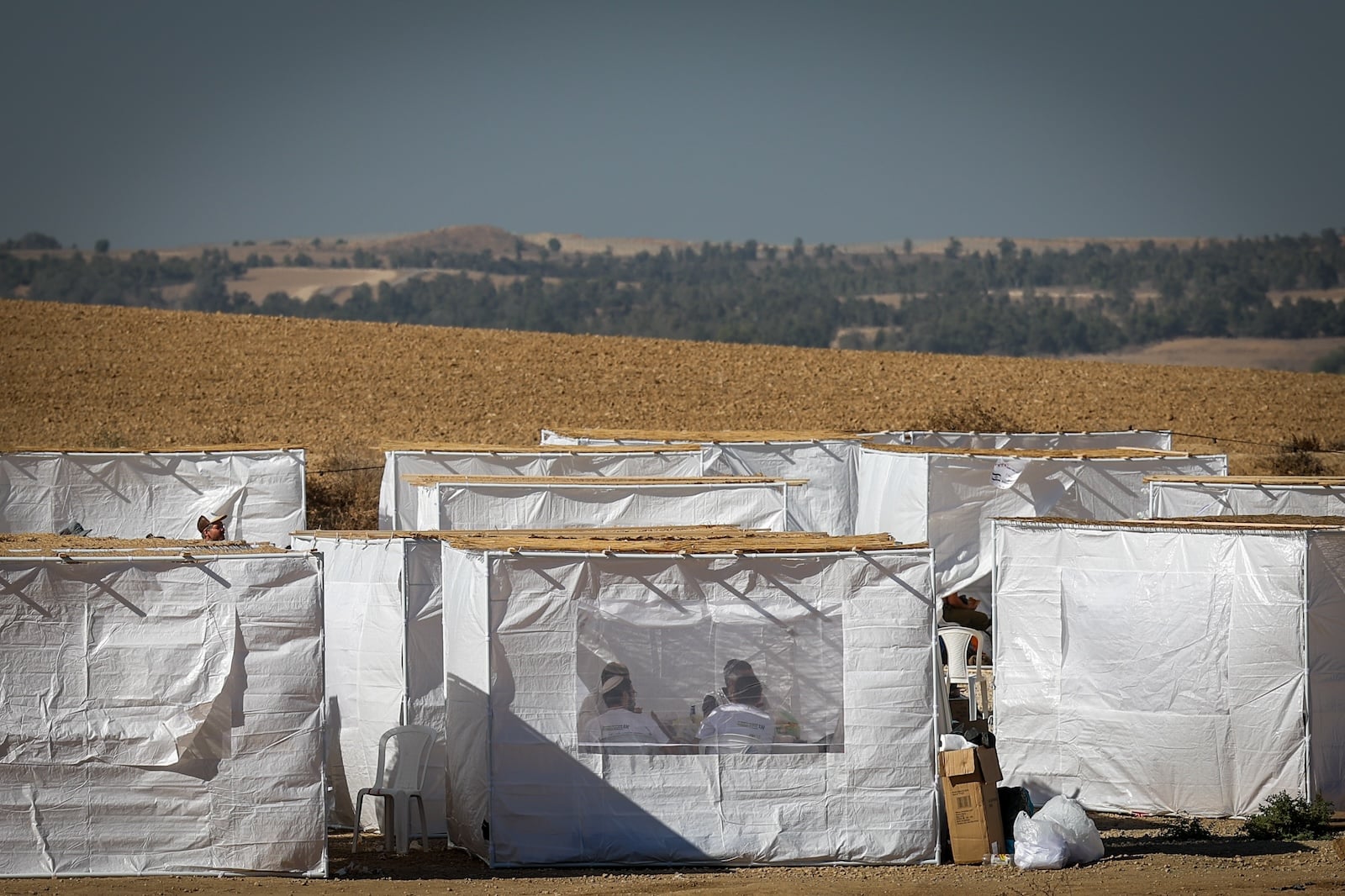
It’s not difficult to predict how this dynamic could play out in Gaza. Nachala, an organization that promotes illegal outposts in the West Bank, has already made lots of noise around its plans to expand to the strip. In the Israeli-held part of Gaza, efforts to establish caravan outposts and makeshift yeshivot will be met with inconsistent IDF pushback. With Hamas reemerging across west of the Yellow Line and refusing to disarm, Israeli public opinion will sour on further withdrawals and warm up to the idea of a permanent stay. Unless the center-left opposition parties return to power after the next elections, government support and recognition could follow. Hamas, meanwhile, will have the perfect rallying cry for its armed resistance against Israel—laying the ground for the next Gaza war.
This is one scenario for how the coming months and years could play out, not a prophecy. President Trump’s rhetoric suggests a strong commitment to seeing his full Gaza vision through to fruition, a position underscored by Vice President Vance during his visit to Israel this week. Trump’s public disavowal of West Bank annexation last month was also a positive signal that his priority remains expanding the Abraham Accords and advancing lasting peace, and isn’t afraid to push back against Israeli actions that undermine these goals. The establishment of settlements in any part of Gaza should be on the president’s radar as one potential Israeli action that would scuttle his achievement. Realizing the 20-point plan should remain a top priority for the administration, and that requires sustained engagement with regional partners to ensure that Hamas’ disarmament, Israel’s withdrawal, and the establishment of an interim administration actually take place—not a de facto partition of Gaza into a rump Hamas state and a lasting Israeli occupation. The region’s future, not to mention Trump’s legacy as a peacemaker, depends on it.