In Its Proper Time
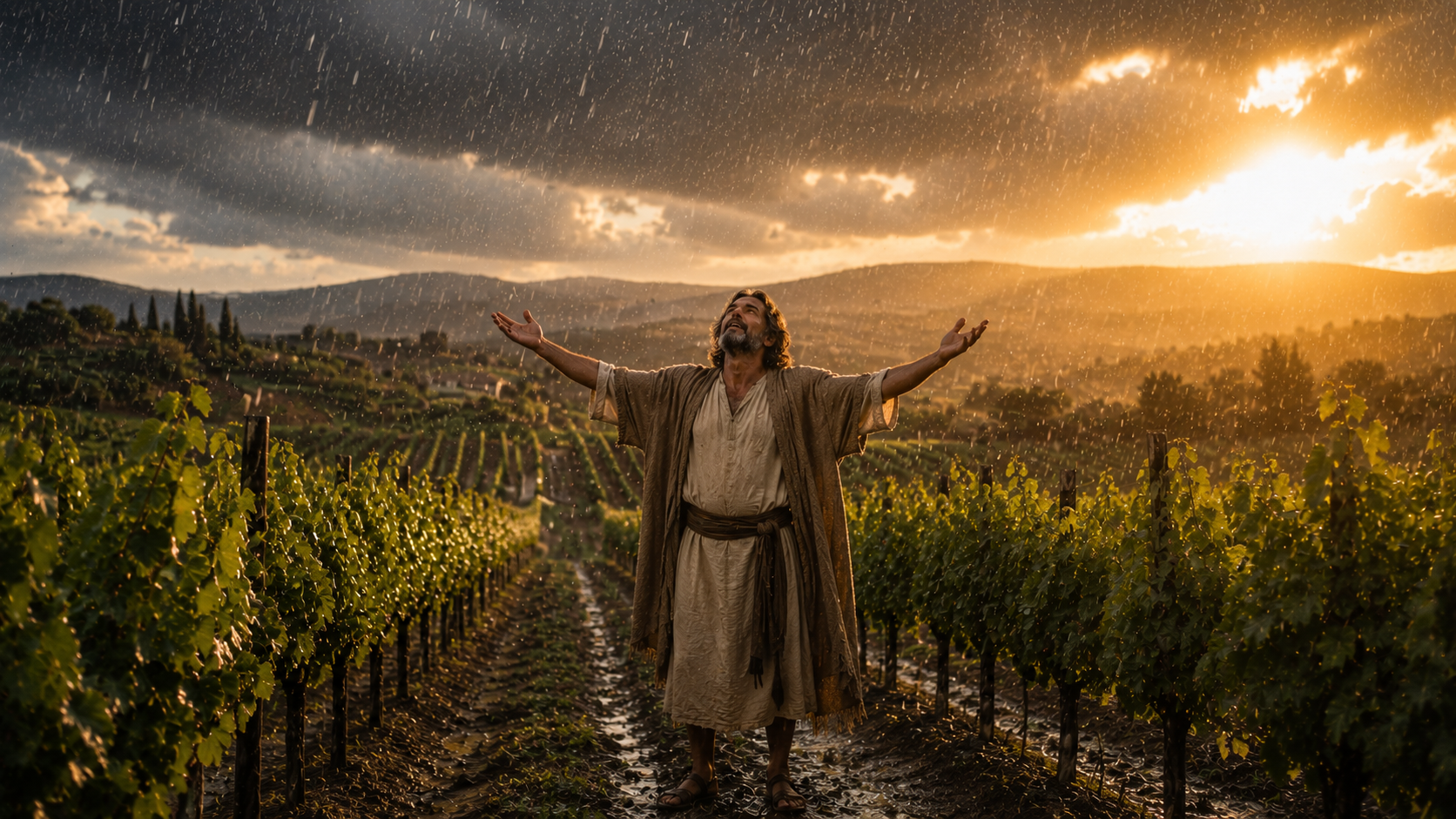
In Parashat Ekev, we read the second paragraph of the Shema. One line, in particular, has always captured my attention:
וְנָתַתִּי מְטַר־אַרְצְכֶם בְּעִתּוֹ
I will give the rain of your land in its proper time.
(Devarim 11:14)
Of all the blessings the Torah could have chosen, why rain?
We live in an age of astonishing achievement. Israel has become a world leader in desalination and water management. We recycle wastewater, transport water across hundreds of miles, irrigate deserts, and monitor weather systems from satellites. Yet for all our ingenuity, one thing remains beyond our control.
We can manage water.
We cannot make it rain.
Each winter, eyes across the land still turn instinctively to the skies. For all our progress, we still wait for the heavens to open, reminding us that everything we build ultimately depends upon something we cannot build ourselves.
Centuries after Moshe spoke these words, David HaMelech painted a remarkable picture of that dependence. Each Rosh Chodesh, many Jewish communities recite his words:
“He sends springs into the valleys; they flow between the mountains. They give drink to every beast of the field; the wild donkeys quench their thirst. Beside them the birds of the heavens dwell; they sing among the branches. He waters the mountains from His upper chambers; the earth is satisfied with the fruit of Your works.”
(Tehillim 104:10–13)
David traces the journey of rain from heaven to earth, revealing that it is the blessing that makes every other blessing possible. Modern science has only deepened our appreciation of what David already understood. Rain replenishes aquifers and nourishes crops. Even lightning converts atmospheric nitrogen into natural fertiliser that falls with the rain, enriching the soil long before chemistry laboratories existed.
Yet the most remarkable word in the verse is not matar—rain.
It is בְּעִתּוֹ (be’ito)—“in its proper time.”
Rain arriving a month too early can destroy a harvest. Rain arriving a month too late can do the same. A blessing is measured not only by abundance, but by timing.
That is true of far more than rain.
We spend much of life praying for blessings—asking Hashem to open doors, answer prayers, and fulfil our hopes. Yet the Torah quietly reminds us that timing is itself part of the blessing.
A door opened too soon may find us unprepared. Success arriving too late may never fulfil its purpose. Healing, friendship, wisdom, opportunity—even joy—each has its own be’ito.
For the blessing lies not simply in what Hashem gives, but in when He gives it.
שבת שלום
שמואל