

Thoughtful, Caring and Effective Therapy
In Memory of Michael Brooks: The Kindness We Lost, and Need Now More Than Ever
Facebook Image
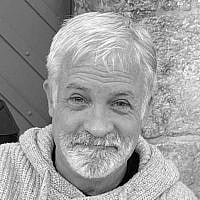
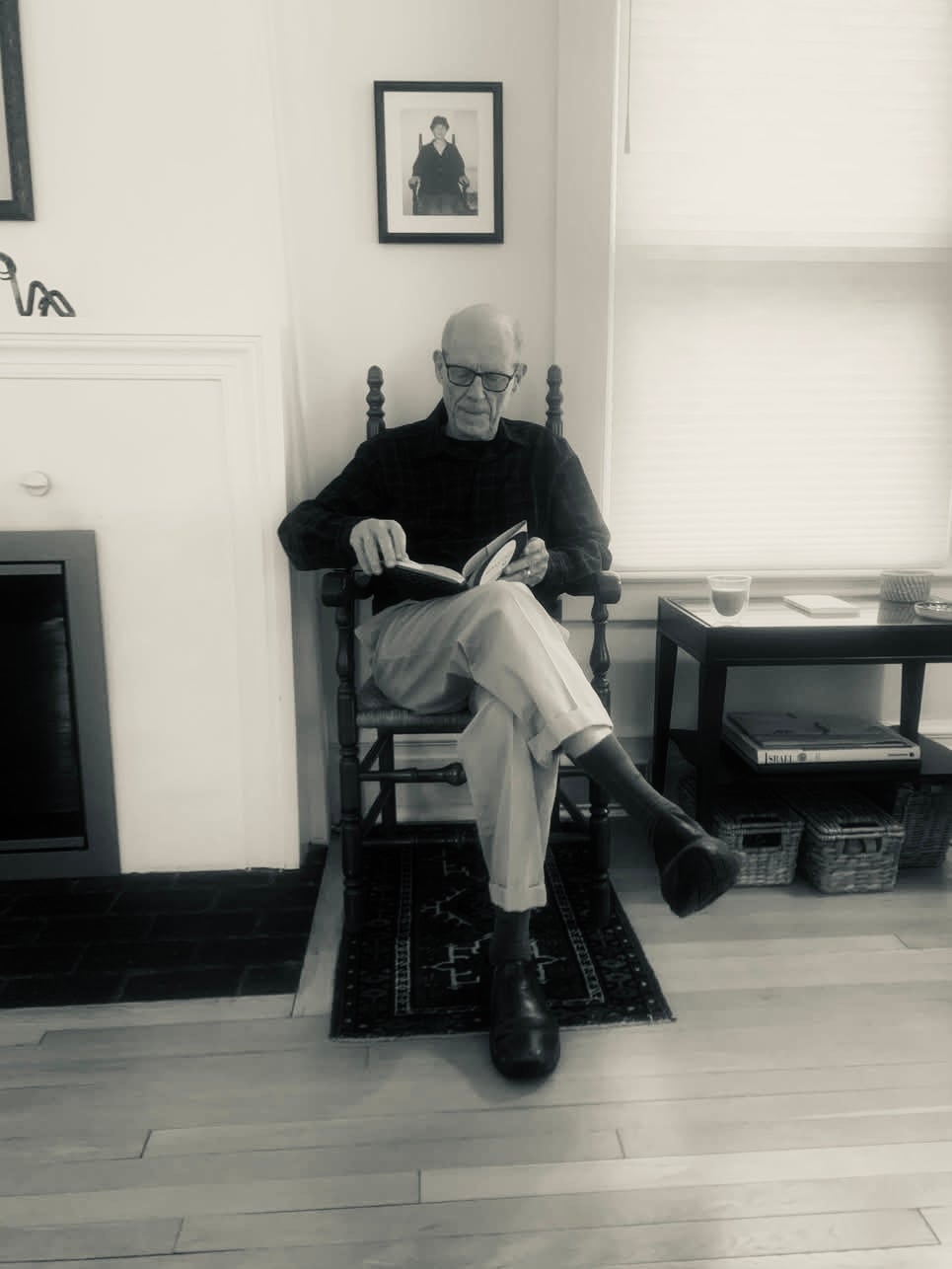
Michael Brooks was the Executive Director of the University of Michigan Hillel and helped transform it into one of the most creative and noteworthy centers of Jewish campus life. He died on August 31, 2026. I was deeply fortunate to have worked alongside him as his associate director for five extraordinary years. Those years shaped me in ways I continue to carry with me.
I had been meaning to write something about Michael Brooks after his death, but I hit a wall. It has taken me a month to find the words. I have written more eulogies and spoken at more memorials than I care to count, and yet every time I sat down to write about Michael, I simply couldn’t. There was too much to say, and perhaps more than anything, I wasn’t ready to make his death feel real by putting it into words.
I guess I needed time to internalize the fact that Michael is no longer with us. I will no longer get those birthday calls when he would tell me how glad he was that I was born (which I always found so strange and yet delightful????). I will no longer hear one of the thousands of jokes in his repertoire—jokes I would continue to steal for many years and use in my own talks.
Let’s face it: Michael Brooks was probably the most unique person I—and many of us—had ever met. And he was certainly a mentor like none I had ever had.
I first met Michael in my last year of rabbinical school, when I was looking to work at Hillel and was adamant that I would never be a congregational rabbi. Considering that I am now an apikores living in Jerusalem, that probably worked out well.
I recently saw someone post on Facebook that when you met with Michael Brooks, it was as though you and he were the only people in the world. That was certainly true of my first meeting with Michael.
I remember being at some kind of Hillel convention, interviewing with a number of different directors. Then I met Michael. And after an hour of conversation, he looked at me and said, “I’m going to hire you. You should come out and see Ann Arbor.”
I am not a big advocate or believer in rebbes, but when I walked out of that first meeting, it felt like I had just met my rebbe or if you will, I kind of felt a little like Luke Skywalker meeting Yoda—albeit a six-foot Yoda.
And suddenly I found myself in Ann Arbor, Michigan. What had been planned as a one-year stay turned into a five-year home. And one of the reasons was getting to work with Michael every day.
Working at the University of Michigan Hillel didn’t just feel like work because, according to Brooks’ Rules, work was supposed to be fun. And at Hillel, it was.
Michael became a model for me in so many ways early in my career. I was especially blessed to learn from him that one could be a boss while being both kind and capable of setting boundaries at the same time.
And, of course, I cannot count the number of creative ideas Michael had—ideas that, if anyone else had shared them with you, you might have thought they were crazy. But when Michael explained them, they seemed absolutely brilliant.
He simply saw the world differently, and he made you see the world differently. And suddenly, because of that, your world was a richer place.
When I write about Michael, so much of his brilliance and creativity comes to mind. But I realize that, for me, I keep coming back to a quote from Abraham Joshua Heschel that says it best:
“When I was young, I used to admire intelligent people; as I grow older, I admire kind people.”
Michael was remarkably intelligent. But what stays with me to this day is his kindness.
And given what all of us have been experiencing over the last few years, losing a soul like Michael is not only a personal loss. It is the loss of a giant measure of kindness that we all need right now.