


Intelligence may not be the only 1973 failure we are repeating
Despite the gut-wrenching trauma of October 7 and the many failures that led to it, the next general election is unlikely to bring about a political transformation. Even after the ceasefire, and the miraculous return home of the living hostages, it seems we are headed for a rerun, or at least a scenario remarkably similar, to the December 1973 election — an election that, incomprehensibly in retrospect, left the same failed leadership in power and did not initiate any meaningful changes in the immediate aftermath. The genuine transformation eventually arrived, but the historical lesson is that it required time to ripen. National consciousness is like an aircraft carrier, not a speedboat; it takes time to change course.
The paradox of 1973
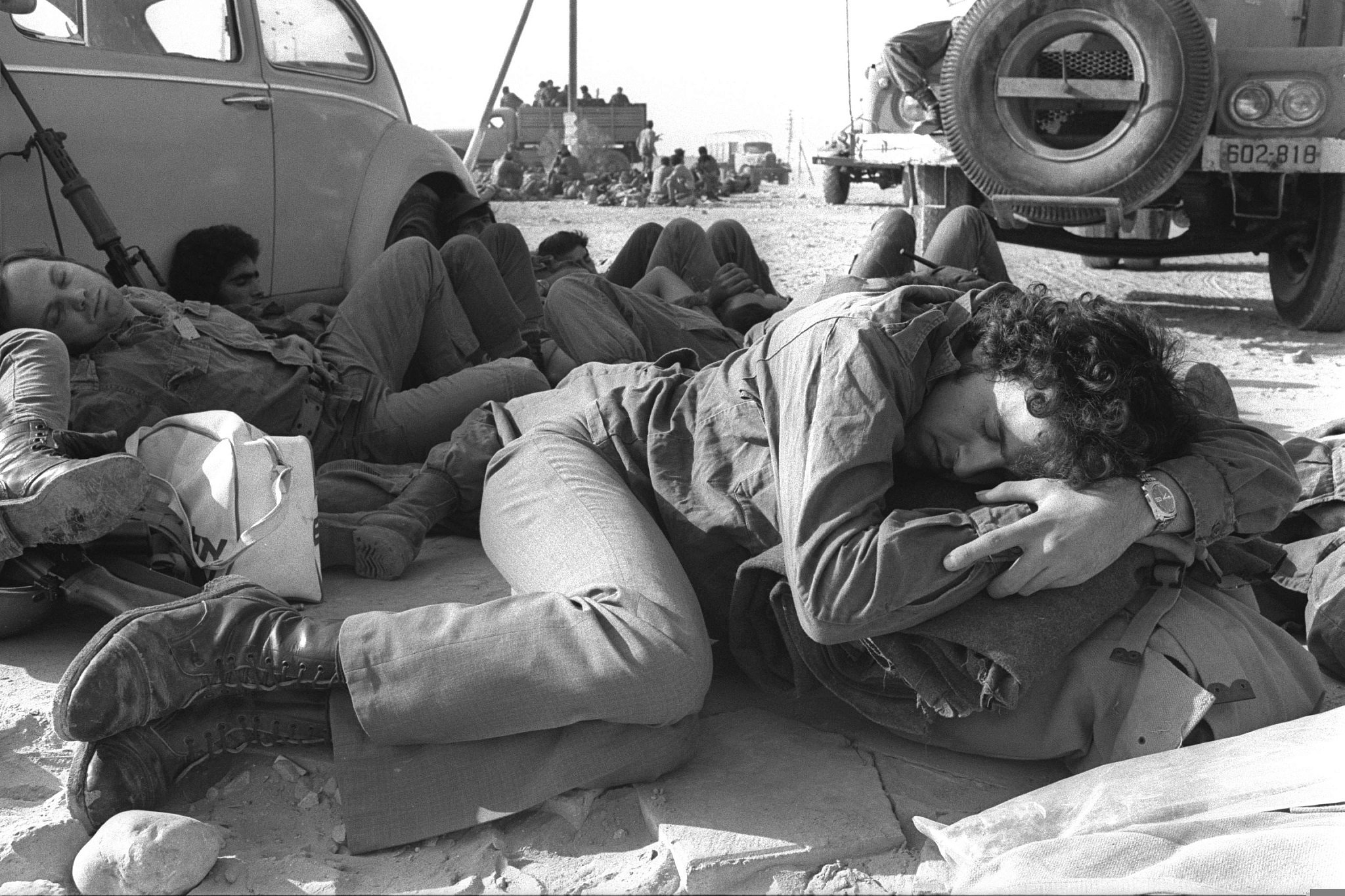
Let’s rewind. October 1973. The Yom Kippur War left Israel stunned, wounded, and bleeding. The intelligence and political “conception” — the assumption that Arab states were deterred and would not dare to attack — collapsed spectacularly. The responsibility, everyone understood, lay with Prime Minister Golda Meir, Defense Minister Moshe Dayan, and the senior military command.
But here is the astonishing paradox: In the election held months after the war, the ruling party, “the Ma’arach” led by Golda Meir, won 51 seats. True, this was a drop from their previous 56, but it was still an overwhelming victory. The Likud, which had united for the first time before that election under the leadership of Menachem Begin, grew significantly to 39 seats, but had no chance of forming a government.
The question that echoes to this day is, “How? How could an entire nation, having endured the greatest disaster in its history, hand the keys back to the same leadership?”
The answer lies in classic political phenomena:
- The “Rally ‘Round the Flag” Effect: During and immediately following a war, there is a natural tendency to unite around the existing leadership. Replacing the government is perceived as an action that could destabilize an already fragile situation.
- Lack of a Ripe Alternative: Despite Begin’s rise, he was still seen by many as too extreme and not “statesmanlike” enough. The alternative did not appear safe.
- Shock and Digestion: The trauma was too raw. The public was still mourning, still trying to understand what had happened.
A chilling parallel in 2025
Half a century later, the echo is unmistakable. The war in Gaza, the October 7 collapse of deterrence, and now the fragile ceasefire and hostage releases have left Israel reeling. And yet, the political picture looks eerily familiar.
Nearly all polls show that the Likud led by Benjamin Netanyahu is leading the race as the largest party, consistently polling above 20 seats and recently climbing toward 30 seats. It is still the anchor of the right-wing bloc. Just as in 1973, the “guilty” party weakens slightly but does not crash.
The parallel is striking. The Israeli public, despite its rage and frustration, has not yet completed the full mental shift. Netanyahu, like Golda, is still perceived by his base as the sole “Mr. Security,” and the alternatives, despite their popularity in the polls, are not yet seen as competent enough to “run the show.” The internal voice that says, “Now is not the time for shake-ups,” is still strong.
The time it takes for transformation
In April 1974, despite her election victory, Golda Meir was forced to resign, less because of the Agranat Commission and more due to her declining health. Yitzhak Rabin, who replaced her, inherited a state in crisis.
The years 1974-1977 were characterized by a sense of stagnation: a global economic crisis following the oil embargo, corruption scandals (like the “Dollar Account Affair”), and a general feeling of weariness and loss of direction. These three years were crucial. They allowed the national trauma to seep in, be digested, and transform from raw pain into a ripe political decision. By 1977, the public was ready for real change and delivered the historic victory to Begin.
One out of every two Israelis who voted after the Yom Kippur War chose “more of the same,” and herein lies the warning for our reality. The Israeli public must not take a historical rerun for granted. Any government whose purpose is not genuine reconstruction and dramatic change of direction, but rather a “maximization of quiet” — a desperate attempt to keep its head above water, postpone difficult decisions (the draft law, religion and state relations, the education system, personal security), and survive until the next crisis — will be bad for Israel. Fundamentally, it doesn’t matter if this government is made up from the existing coalition or from a new type of “change government”, shying away from core and transformative decisions is a losing strategy for Israel in the long run.
History teaches us that the transformation will come, but it will take time. The big question is not who will win the election, but whether the state of Israel can afford to wait for the consciousness shift to ripen naturally, or whether the pressures — security, social, and economic — will force it sooner. Watching this movie a second time is not riveting; it is primarily dangerous. The ability to write a different ending rests with us. If the Israeli public demands fundamental changes on the way to the ballot box, that is how our elected officials will act.