


Iran After the 12-Day War: Weakened but Still Dangerous
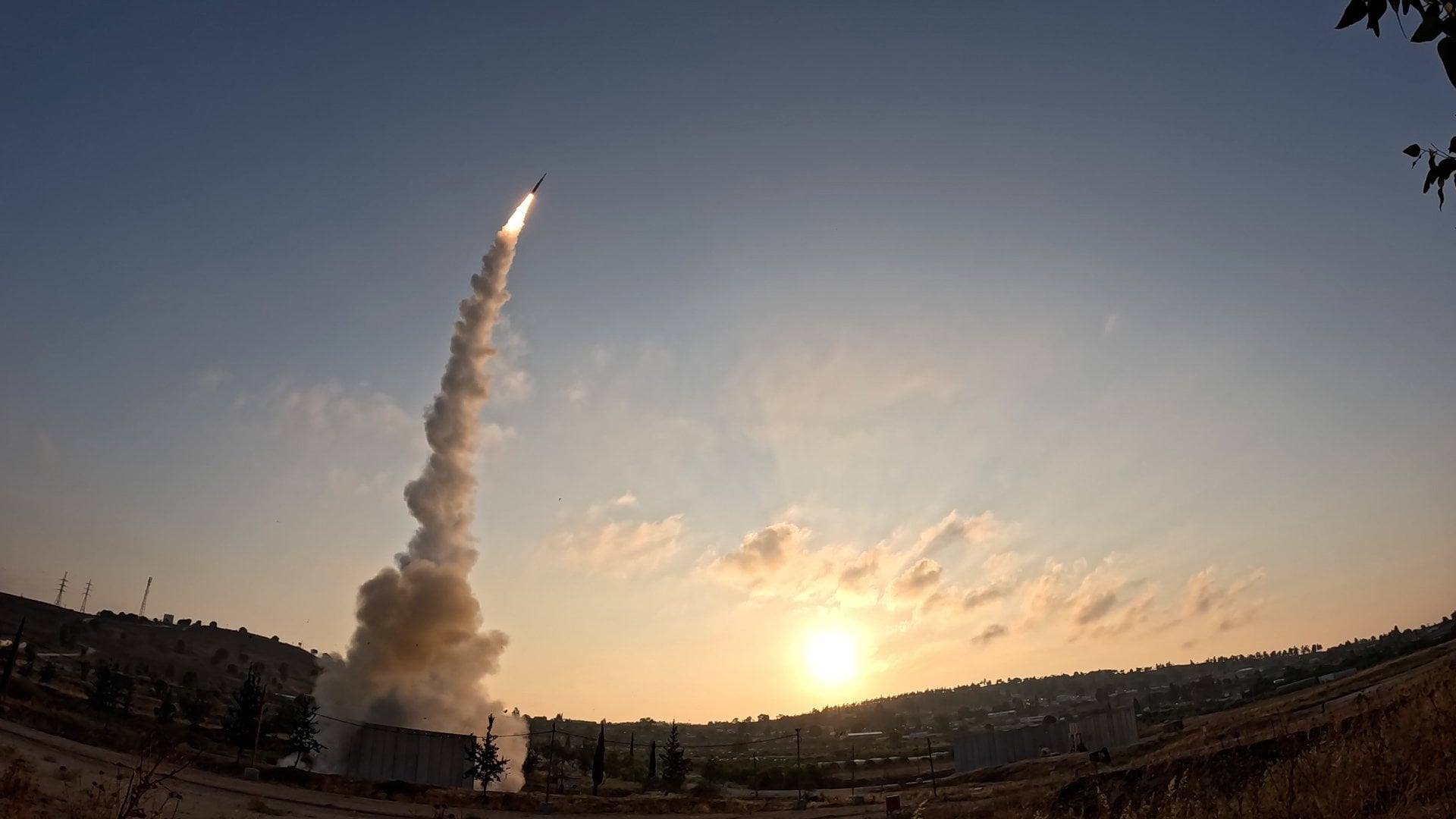
The 12-Day War between Israel and Iran was seen as a turning point in Middle Eastern geopolitics. The first time Israel and Iran engaged in a concentrated and direct confrontation, it exposed Tehran’s vulnerability, which was visibly weakened. The Iranian framework’s problems of depleted missile stockpiles, compromised command structures, and weakened deterrence were highlighted by analysts. The crucial question is whether Iran can still be a significant threat to Israel.
The answer (in short) is yes, but not in the same way. Iran has lost some of its power on a big scale, but its strength has never rested on conventional power. Instead, it relies on what might be called an “asymmetric policy”: a network of regional proxies (very weakened recently), maritime leverage, and the constant ability to disrupt. In other words, Iran is bruised, but it is not broken.
The Limits of Iran’s Direct Power
The “12-day” highlighted both the power and limits of Iran’s missile and drone arsenal. Iran showed that it could launch a few accurate attacks and put Israel’s air defense systems at risk. But finally it was impossible to keep up the pressure. Israel’s counterattacks damaged Iranian sites , and sanctions have made it hard to get more supplies.
For now, Iran lacks the reserves for another massive, direct strike campaign. Its nuclear program, though a latent threat, is still more of a negotiating tool than a military choice. Internally, the regime’s legitimacy is shaken: a regime that claims to defend the Muslim world against “Zionist aggression” cannot afford to look humiliated.
From Confrontation to Attrition
If, before the war, Iran tried to show that it could be trusted by threatening direct retaliation, after the war it is likely to pivot toward attrition. Tehran, unable to militarily outgun Israel, will seek to gradually bleed it through proxy attacks, maritime disturbances, and political isolation operations.
Constraints on Iran’s Reach
This does not mean Iran’s capacity is limitless. The Islamic Republic faces significant constraints:
Economic fragility: The war worsened an already dire situation. Inflation, unemployment, and sanctions reduce Tehran’s ability to finance its proxies at previous levels.
Domestic unrest: A population weary of repression and economic hardship could erupt again, especially if the regime appears militarily humiliated (the most important reason).
Overextension: Running campaigns in Lebanon, Syria, and Yemen simultaneously spreads resources thin and forces Tehran to prioritize.
Israel’s Dilemma:
For Israel, the 12-day war may have blunted Iran’s direct striking capacity, but threats have not been removed (Yemen, Lebanon, and cyberattacks from Iranian-linked groups).
This requires not only military vigilance but also diplomatic strategy. It must, therefore, coordinate with Washington and maintain deterrence while avoiding a slide into permanent multi-front warfare.
Iran: A Weakened but Enduring Adversary.
The lesson of the 12-day war is not that Iran has been defeated. It is that Iran adapts. A weakened Tehran is still dangerous, with its mode of confrontation shifting from conventional warfare to asymmetrical strategies, from missile barrages to proxy conflicts, and from direct strikes to global disruptions. For Israel and its allies, the objective is to acknowledge this shift and formulate strategies that not only directly target Tehran but also consider the network of actors it supports.
After the 12-day war, to dismiss Iran as a “paper tiger” would be a mistake. Its capacity to launch another massive direct strike on Israel may be coerced, but its ability to destabilize remains intact.