

Iranians Fear Not War—but Its Incomplete End
In Tehran and across Iran, as the skies over the capital and major cities fill with the sound of explosions and missiles, a significant portion of Iranian society is not only unafraid, but is in fact greeting these attacks with a sense of hope—and even celebration.
In 586 BCE, the Babylonian Empire under the rule of Nebuchadnezzar II brutally attacked and captured Jerusalem, destroyed the Temple of Solomon, and took many Jews into
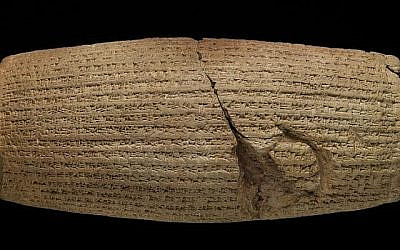
captivity in Babylon.
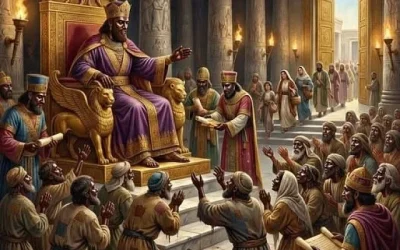
Forty-seven years later, in 539 BCE, Cyrus the Great, the Persian king, conquered Babylon, freed the Jewish people, and permitted them to return and rebuild the Temple—an
act remembered in Jewish and Christian scripture as one of history’s great gestures of benevolence.
Today, in March 2026, many Iranians are symbolically revisiting this history. After 47 years of rule by the Islamic Republic—established in 1979—Israel and the United States, under the leadership of Donald Trump (notably the 47th president of the United States) and Benjamin Netanyahu, have launched a large-scale military operation targeting the Islamic Republic’s military, nuclear, and command infrastructure, including the Islamic Revolutionary Guard Corps (IRGC). The operation, which began on February 28, 2026 (9 Esfand 1404) with the assassination of Ali Khamenei and extensive strikes, is viewed by some Iranians not as an act of aggression, but as a form of “repayment of Cyrus’s kindness” and an opportunity to escape what they describe as “clerical captivity.”
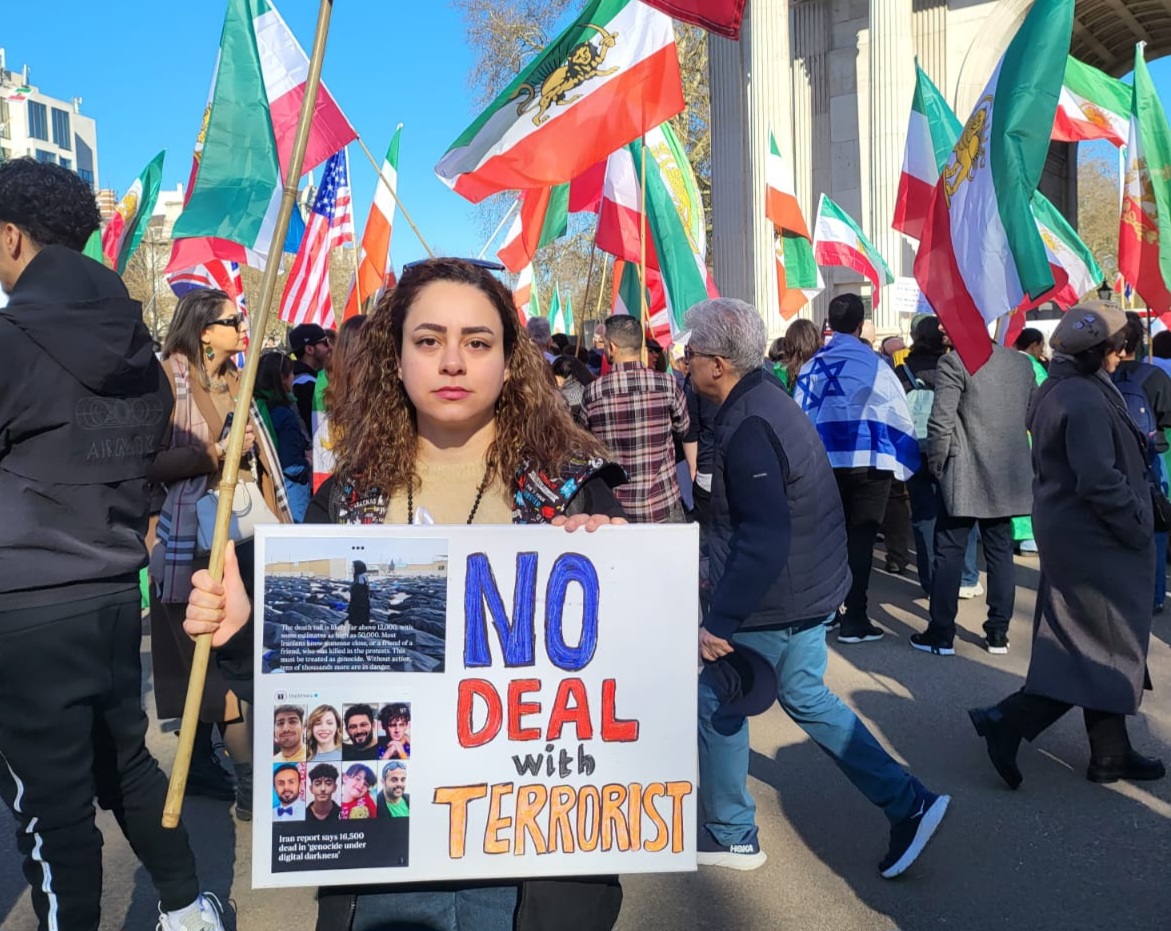
This sentiment is visible in gatherings and demonstrations of Iranians across cities worldwide. Tahereh S., who has studied in both Iran and the United Kingdom, told our correspondent: “This war is a terrible ending—but in my view, it is better than the endless terror the Islamic regime has imposed on us for years.”
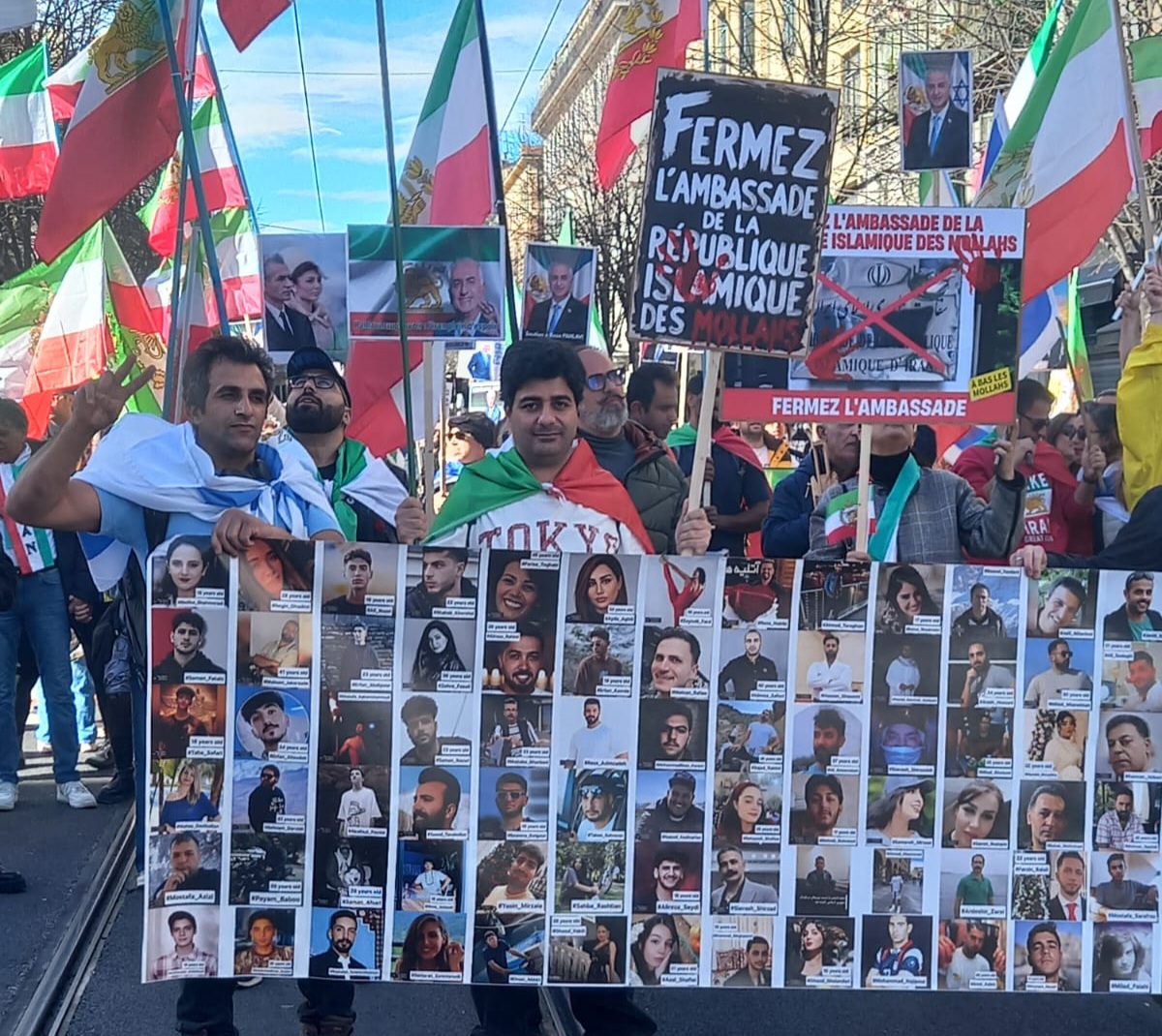
Inside Iran, despite a three-week internet shutdown imposed by the authorities, people have found ways—often with assistance from Iranians abroad—to reconnect to the global internet and express their approval of U.S. and Israeli actions. Field observations by independent reporters and scattered reports from within the country suggest that a significant segment of society—particularly in major cities such as Tehran, Shiraz, and Isfahan—supports continued strikes against institutions of repression, including the IRGC, Basij forces, and law enforcement bodies.
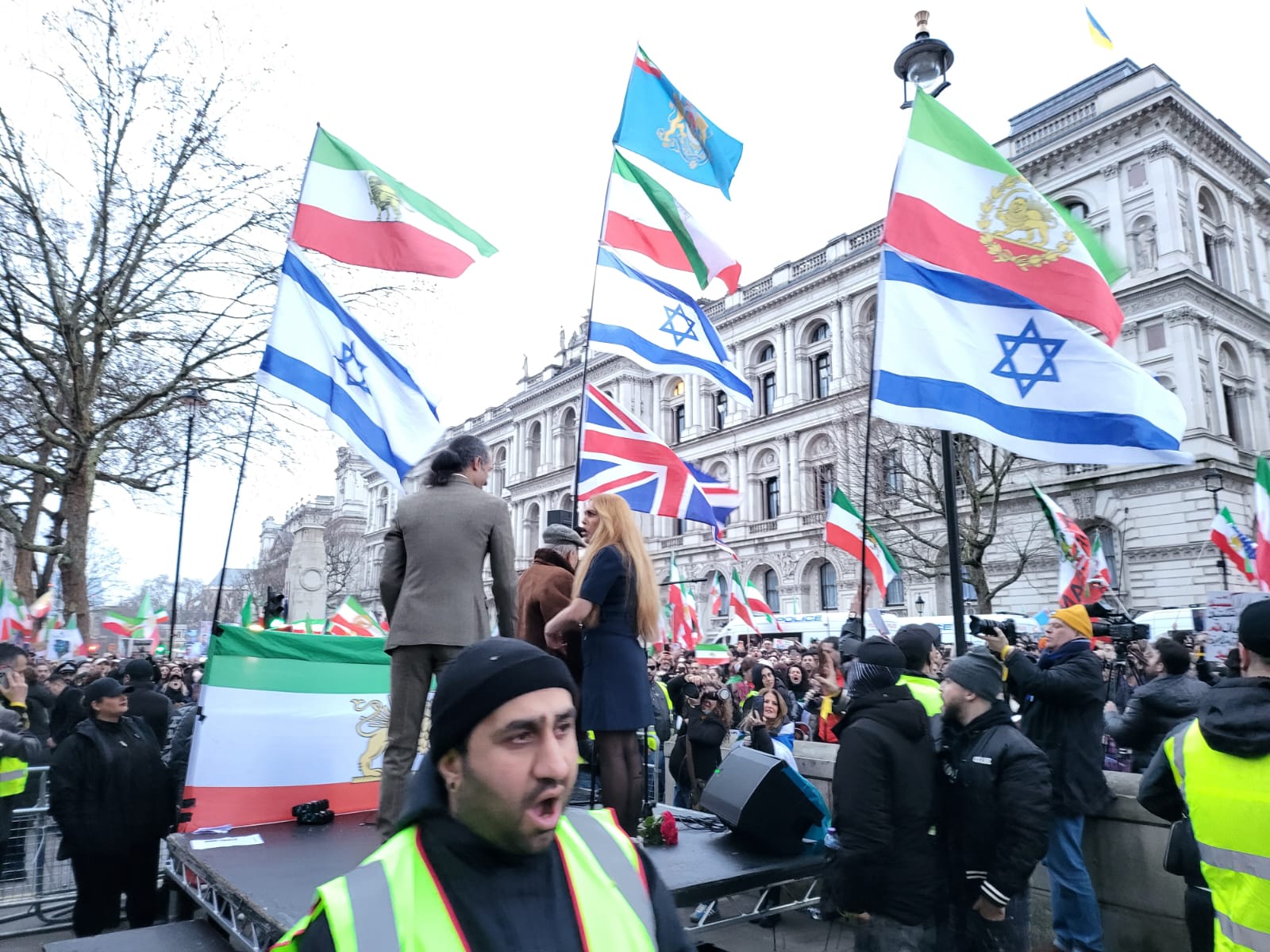
A healthcare worker in Tehran told our correspondent: “Whatever ‘Bibi’ [Netanyahu] does, we accept wholeheartedly. We are only afraid of a ceasefire that leaves the regime in place.”
A real estate professional in Tehran added: “We are not afraid of war or the sound of bombs. We are even ready to die for this—so long as the Islamic Republic does not remain.”
Ali, a university student from Shiraz, expressed a deeper concern: “The fear now is not the war itself, but the end of it—if it leads to a ceasefire and the mullahs staying in power. If this ends like the 12-day war of June 2025, with them still in control, a massive wave of suicides and mental illness will sweep the country.”
These sentiments are not limited to Iran. Across parts of the Arab world, concerns over the survival of the Islamic Republic are also evident. Reports indicate that Saudi Arabia and several Gulf states have urged the United States to continue operations until the regime’s complete collapse, even offering to help finance parts of the effort—reflecting fears of future retaliation and proxy actions by Tehran.
Contrary to predictions by the United Nations and Turkish officials of a mass displacement crisis, many Iranians affected by the war have not fled the country. Instead, many appear determined to witness the end of what they describe as 47 years of “captivity.” Videos and scattered reports suggest that during airstrikes, some people have taken to the streets, expressing joy. One young woman in Tehran, speaking anonymously, said: “With every explosion I hear, I feel renewed—alive again.”
Donald Trump recently remarked that Iranians in Los Angeles—the largest Iranian diaspora community—have embraced his image and expressed gratitude toward him, reflecting support among segments of the diaspora and, to some extent, inside the country.
Taken together, field assessments and observed public reactions suggest that for many Iranians, the primary concern is not the damage caused by war, but the possibility of an incomplete outcome that allows the regime to survive. For years, the Iranian people have had little role in major national decisions, which have instead been made by the IRGC and a narrow ruling circle, often at the expense of public welfare.
Notably, since the beginning of the conflict, many reports suggest that “the sky appears bluer than ever,” water and electricity outages have significantly decreased, and harmful decision-making has slowed in the absence of senior officials—many of whom are reportedly in hiding. Previously, the 12-day conflict of June 2025 was even described on social media as a “strangely peaceful period,” when government pressure temporarily eased.
This raises a fundamental question: has life under this ideological system become more unbearable for Iranians—and even for the region and the world—than external threats? Many believe that the Islamic Republic and the IRGC, as engines of violence and instability, not only show little regard for their own people but also actively destabilize neighboring countries. Some analysts go further, arguing that in both ideology and conduct, the regime surpasses even the totalitarianism of Adolf Hitler—a system that treats prosperity, peace, and development as enemies, while promoting hostility and darkness as a mission.
At this historic moment, many Iranians hope that this time, the 47-year cycle will come to an end—not merely through external intervention, but through a will that has risen from within society itself.