


Iran’s economic struggle has only just begun
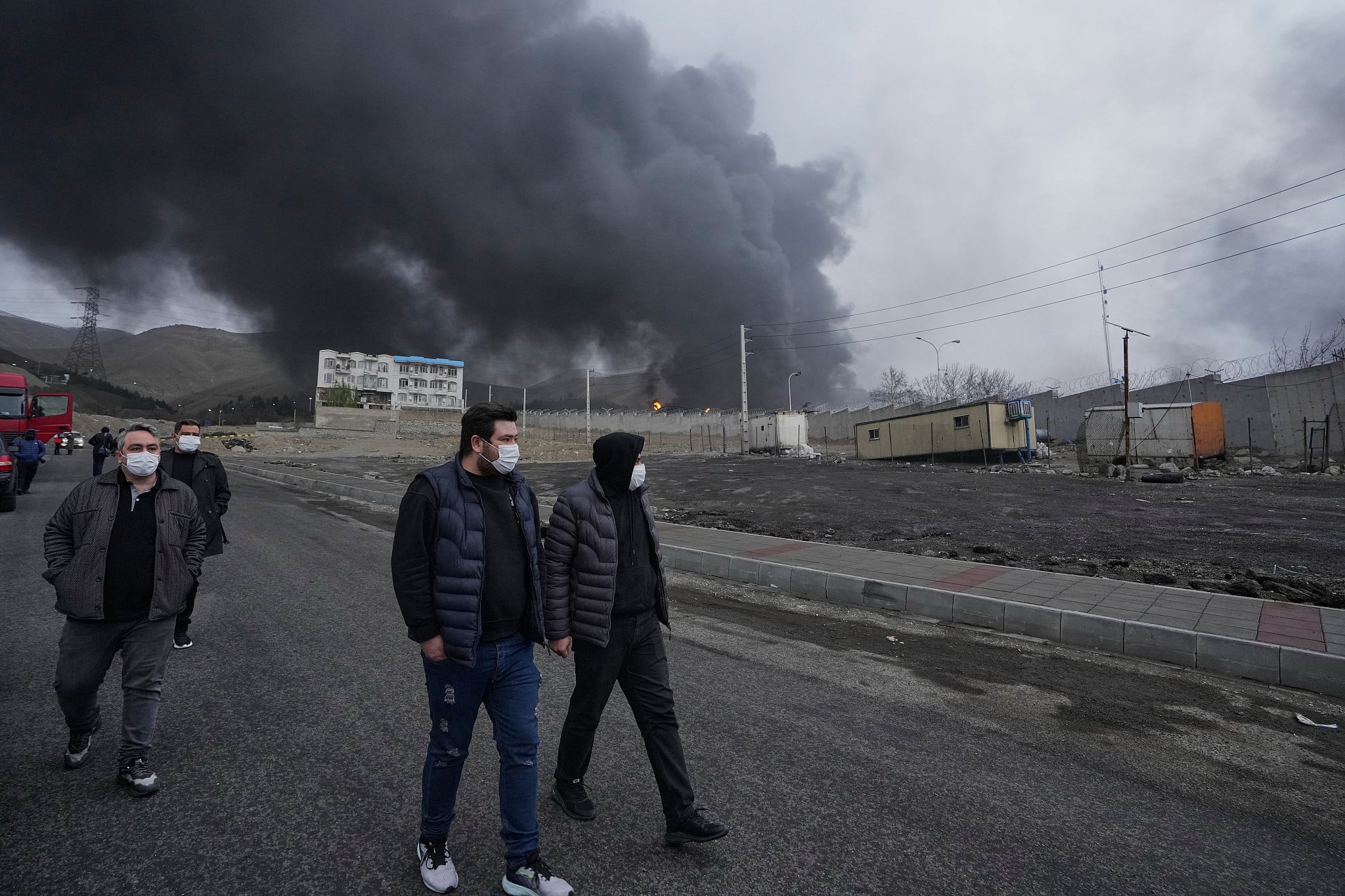
By the time wars reach the balance sheet, they have usually already eroded the foundations of the state. That is increasingly evident in Iran, where a mounting combination of military pressure, maritime disruption, cyberwarfare, and industrial paralysis is pushing the economy toward what may become a strategic point of no return.
For years, the Iranian economy survived through a kind of engineered endurance. Sanctions, inflation, currency collapse, and chronic energy shortages became normalized features of national life rather than temporary crises. But the current conflict has transformed those structural weaknesses into active fault lines. What had once been a resilient, if strained, system is now showing signs of systemic overload.
The most immediate pressure point is oil. Iran’s economic model still depends heavily on crude exports, despite years of sanctions and diversification rhetoric. Yet the American naval blockade in the Persian Gulf has sharply curtailed Tehran’s ability to move oil to international markets. Tankers carrying millions of barrels have reportedly been prevented from leaving Gulf waters, creating not merely a revenue shock but a logistical trap. Oil continues to flow from wells even when exports stall, and storage facilities are rapidly approaching capacity.
That matters because oil infrastructure is not a simple on-off switch. If production wells are shut down improperly or remain offline for extended periods, reservoirs can suffer lasting technical damage. In practical terms, Iran risks moving from a temporary export crisis to a long-term reduction in production capacity itself. For a state already isolated from major capital markets and dependent on hydrocarbon revenue, that distinction is existential.
At the same time, the country’s broader energy system is under growing stress. Strikes on facilities linked to the massive South Pars Gas Field — one of the world’s largest natural gas fields — have introduced the possibility of cascading domestic disruptions. Unlike oil, much of Iran’s gas production serves internal demand, particularly electricity generation and heavy industry. Damage there reverberates across the economy: reduced power supply, lower industrial output, weaker productivity, and additional strain on already fragile infrastructure.
In many ways, the war’s economic effects are becoming cumulative rather than isolated. A strike on a refinery affects transportation. Transportation bottlenecks disrupt food distribution and industrial supply chains. Industrial slowdowns reduce exports and employment. Financial instability weakens consumer confidence. Eventually, the distinction between military and economic warfare begins to disappear.
That dynamic is especially visible in Iran’s industrial sector. Steel plants in major industrial regions such as Isfahan and Khuzestan have reportedly suffered repeated strikes, while petrochemical facilities along the Gulf coast have also been hit. These are not symbolic targets. Steel and petrochemicals are among Iran’s most important sources of export revenue outside crude oil itself, employing tens of thousands of workers and supporting large secondary supply chains.
The problem extends beyond direct physical damage. Modern industry depends on integrated systems: electricity, transport, financing, communications, logistics. Even factories that remain structurally intact struggle to operate when surrounding infrastructure deteriorates. The result is a gradual erosion of national productive capacity rather than a single catastrophic collapse.
Trade networks are also fraying. Iran’s commercial relationship with the United Arab Emirates — long a crucial hub for imports activity — has reportedly suffered severe disruption. Goods are accumulating in transit points while Tehran increasingly turns to indirect import routes through third countries. Such workarounds are expensive and inefficient, raising transaction costs across the economy.
The decline in trade with China may be even more strategically significant. Beijing has traditionally served as Iran’s most important economic lifeline under sanctions.
Meanwhile, the digital and financial fronts have emerged as perhaps the most modern aspect of the conflict. Cyberattacks targeting major Iranian banks have disrupted payment systems and financial operations, while broad internet shutdowns have inflicted daily economic losses on e-commerce, digital payments, and online services. Tehran appears to be attempting a “tiered internet” model, preserving limited access for essential professional sectors while restricting broader civilian connectivity.
But internet restrictions in a modern economy behave much like damage to roads or ports. Economic activity slows almost immediately. Transactions become harder, communication weaker, and productivity lower. Over time, the losses compound.
The strategic question now confronting Tehran is not simply economic but political. At what point does economic deterioration become a greater threat to regime survival than diplomatic compromise?
That dilemma sits at the center of current calculations inside the Iranian leadership, particularly within the Islamic Revolutionary Guard Corps (IRGC). Concessions over the nuclear program or maritime access may reduce pressure internationally, but domestically, they risk projecting weakness. So far, the regime appears to believe that major concessions pose the greater danger.
Yet economies can impose their own timetable. Oil bottlenecks, industrial disruption, sanctions pressure, cyber instability, and prolonged isolation do not remain compartmentalized indefinitely. Eventually, they begin reinforcing one another.
And when that happens, even highly centralized states can discover that economic attrition is not merely a background condition of war. It becomes the battlefield itself.
––
For my full analysis, see Iran’s Economy Under Fire: Toward a Point of No Return?, published by The Jerusalem Institute for Strategy and Security.