
A Correspondent in Tel Aviv
Iran’s Regime Faces Its 1978 Nemesis
Iran boasts of its ability to retaliate against the United States. The reality is different. The danger facing the mullahs’ regime is growing fast—and it is coming from within.
For a third straight day, protests have erupted from Iran’s traditional bazaars. Shops are shuttered. Crowds fill the streets. One slogan dominates: “All together.”
For the regime, the images are haunting. These are the same people who, in January 1978, launched protests from the bazaar of Qom alongside merchants and students. Those demonstrations spread nationwide and, after forty violent days, brought down the Shah.
Once in power, they eliminated former allies, silenced secular thinkers, and forced millions into exile. Women who once wore miniskirts were compelled into chadors. Iran descended into repression, bloodshed, and isolation.
Today, the hunters of 1978 resemble the hunted.
The country now faces a perfect storm. Despite immense natural wealth, Iranians endure water shortages and deepening poverty while the regime squanders resources on nuclear ambitions, missiles, and terrorist proxies—Hezbollah, the Houthis, Hamas.
Tehran itself, a city of up to fifteen million, may soon become uninhabitable due to water scarcity. Yet the regime’s focus remains fixed on weapons and fantasies of Israel’s destruction.
Public anger is spilling beyond control. At a football derby, a Palestinian flag provoked a stadium-wide chant—“Stick the Palestinian flag up your a**.” The obscenity mattered less than the fury behind it.
Palestinians who reject terrorism are not the target. What Iranians resent is paying an enormous price for a group of Arabs with whom they share neither language, origin, nor religious tradition—and who largely hold unfavorable views of Iran while venerating Saddam Hussein.
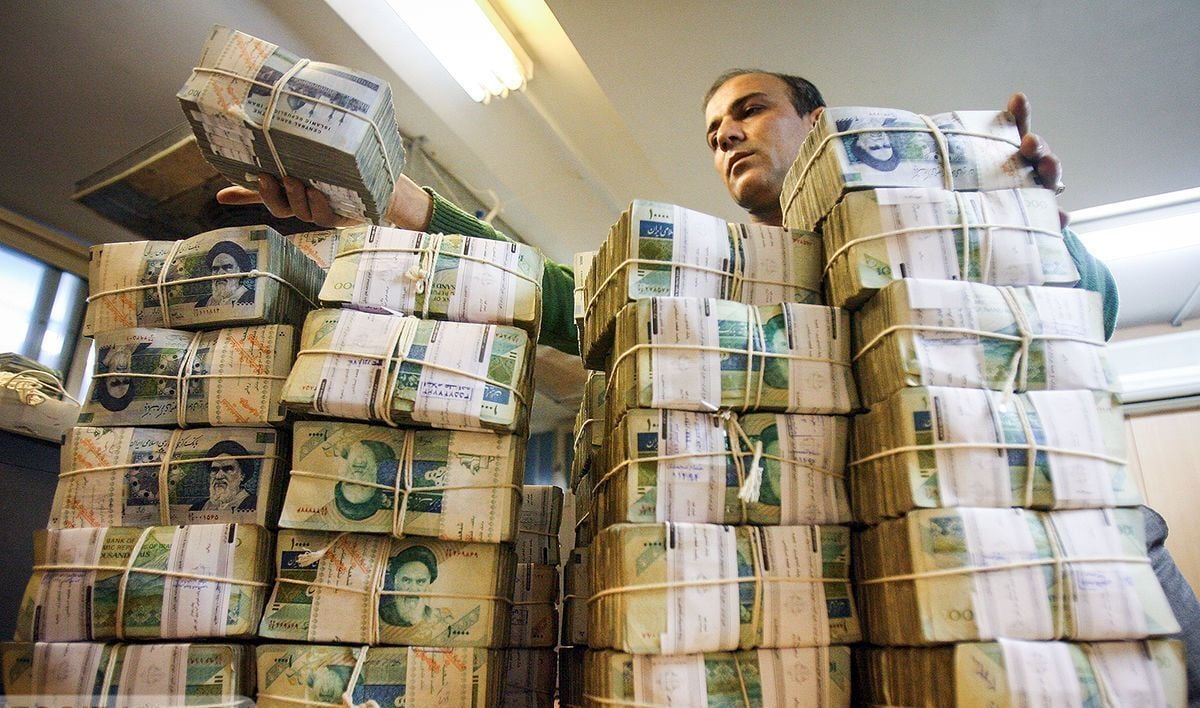
The rial’s collapse was only the trigger. In 2000, one dollar bought 1,750 rials. Today it buys roughly 1.4 million.
The resignation of the central bank governor changed nothing. Iranians know the crisis is structural. Confrontation, deception, and regional destabilization guarantee continued decline.
Even threats toward Donald Trump have escalated.
This time, however, the regime hesitates. Its turn to “dialogue” reveals weakness. Tehran’s leaders understand exactly what is at stake.
“All together” is no slogan of the moment. It is an attempt to turn fragmented dissent into a national reckoning.
If it succeeds, Iran—and humanity—may finally hope that the abscess Khomeini left on history will be drained, and that this abhorrent chapter will close once and for all.
Related Topics
Related Posts