
Author and Global Affairs Commentator
Iran’s War of Strategic Exhaustion
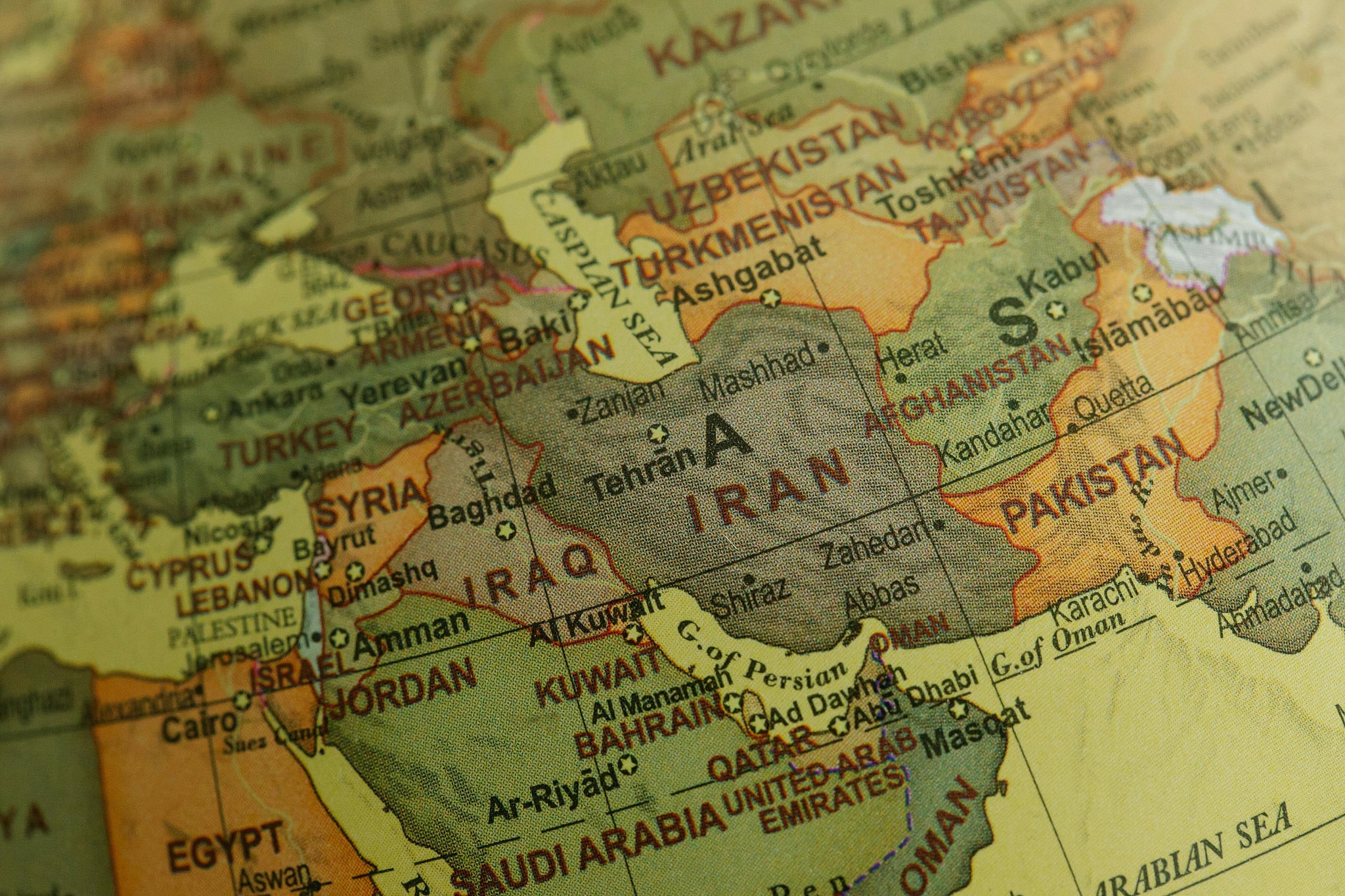
By targeting infrastructure, logistics, and energy networks, Washington appears intent on imposing long-term strategic costs while undermining Tehran's economic resilience.
The conflict between the United States and Iran is entering a new phase in which military operations are increasingly focused on weakening the Islamic Republic’s ability to govern rather than simply destroying its armed forces. By targeting infrastructure, logistics, and energy networks, Washington appears intent on imposing long-term strategic costs while undermining Tehran’s economic resilience. Yet military pressure alone is unlikely to determine the regime’s fate. The article argues that Iran’s future will depend on whether economic decline, political fragmentation, and domestic unrest converge to erode the state’s governing capacity. Rather than an imminent collapse, the more probable outcome is a prolonged contest of attrition in which political legitimacy, institutional cohesion, and economic endurance become the decisive measures of success.
The military confrontation between the United States and Iran appears to be entering a qualitatively different phase. What initially resembled a campaign focused on degrading military capabilities increasingly bears the hallmarks of a broader strategy aimed at weakening the Islamic Republic’s capacity to govern. The emphasis is shifting from destroying weapons systems to undermining the infrastructure, logistics, and economic foundations that sustain state power.
If reports accurately reflect operational priorities, Washington has expanded its objectives beyond conventional battlefield gains. Critical infrastructure—including ports, transportation networks, power generation facilities, and energy distribution systems—has become an increasingly prominent target set. Such assets are indispensable not only for military operations but also for maintaining economic activity and public administration.
From a strategic perspective, this evolution suggests that U.S. planners have redefined Iran’s center of gravity. Military installations and Islamic Revolutionary Guard Corps (IRGC) facilities remain significant targets, but they now appear to form part of a wider campaign intended to constrain Tehran’s ability to finance military operations, sustain logistics, and preserve political stability over time.
This approach reflects a familiar principle of modern warfare: enduring strategic advantage often depends less on tactical victories than on an adversary’s diminishing ability to regenerate military power and sustain governmental functions. By increasing the long-term costs of conflict, Washington appears to be seeking cumulative rather than immediate effects.
Tehran’s response has followed a different logic. Rather than matching military pressure directly, Iran has sought to widen the geographic scope of the confrontation. Threats directed toward Gulf states, attacks on maritime commerce, and efforts to raise regional tensions appear designed to increase the political and economic costs for both the United States and its partners. Such actions may reinforce deterrence and complicate coalition decision-making, but they also suggest that Iran’s strategic options are becoming increasingly constrained.
The conflict’s most consequential variable remains the security of Gulf energy infrastructure, particularly Kharg Island, Iran’s principal oil-export terminal. Any sustained disruption to Iranian oil exports—or to maritime traffic through the Strait of Hormuz—would extend the consequences well beyond the Middle East. Global energy markets, commercial shipping, and international supply chains would all face heightened uncertainty, with financial markets already reflecting growing concerns over prolonged instability.
These developments indicate that the conflict is evolving into a contest of strategic attrition. Success is becoming less dependent on the destruction of military assets than on each side’s capacity to preserve economic resilience, maintain logistical networks, and sustain political cohesion under prolonged pressure. In such contests, institutional endurance often proves as important as military capability.
Whether this process ultimately produces negotiations, policy adjustments, or further escalation remains uncertain. History offers few examples in which sustained military pressure alone has produced the collapse of entrenched political systems.
The Islamic Republic today arguably faces greater structural challenges than at any point in recent decades. Economic deterioration, damaged infrastructure, persistent inflation, communication restrictions, and continued domestic repression have collectively weakened public confidence while increasing the burden on state institutions. These pressures have steadily eroded the government’s ability to govern effectively.
Yet structural weakness should not be mistaken for imminent collapse. Political systems rarely fail solely because of external military pressure. Rather, they tend to unravel when multiple crises converge: prolonged economic decline, widespread public unrest, elite fragmentation, declining loyalty within the security establishment, and the emergence of a credible political alternative capable of replacing the existing order.
For now, the cohesion of Iran’s coercive institutions remains a critical stabilizing factor. As long as the leadership of the IRGC continues to view its own survival as inseparable from that of the Islamic Republic, the regime retains significant capacity to withstand economic hardship and suppress domestic opposition.
Ultimately, the decisive measure of state resilience is neither the number of military facilities destroyed nor the volume of weapons lost. It is the government’s ability to administer the country, finance essential institutions, maintain internal security, and project political authority. Should prolonged disruptions to electricity, transportation, oil exports, and public finances significantly impair those functions, the relationship between the state, its security apparatus, and its regional proxy networks could gradually weaken.
Under such conditions, Iran might retain substantial military capabilities while simultaneously losing the institutional capacity necessary to function as an effective governing system.
Before approaching such a threshold, Tehran is likely to intensify domestic controls rather than moderate them. Greater censorship, expanded surveillance, harsher political repression, and tighter control over urban centers would represent familiar instruments for preserving regime stability. At the same time, the leadership could pursue limited diplomatic engagement with Washington in an effort to relieve economic pressure without fundamentally altering its ideological orientation.
The trajectory of the conflict therefore points less toward a decisive military conclusion than toward an extended struggle over state endurance. The Islamic Republic’s future will depend not on any single battlefield outcome but on whether sustained external pressure converges with internal political, economic, and institutional fragmentation. Only when those forces reinforce one another does the prospect of systemic failure become materially more likely.
Until then, appearances may be deceptive. A state can continue to project military strength long after its governing capacity has begun to erode. In conflicts defined by strategic attrition, institutional resilience—not battlefield success—ultimately determines political survival.
Related Topics
Related Posts