

Critiquing Ireland's "anti-Zionist" mindset
Irish Football, Fascism & “Friendly” Matches
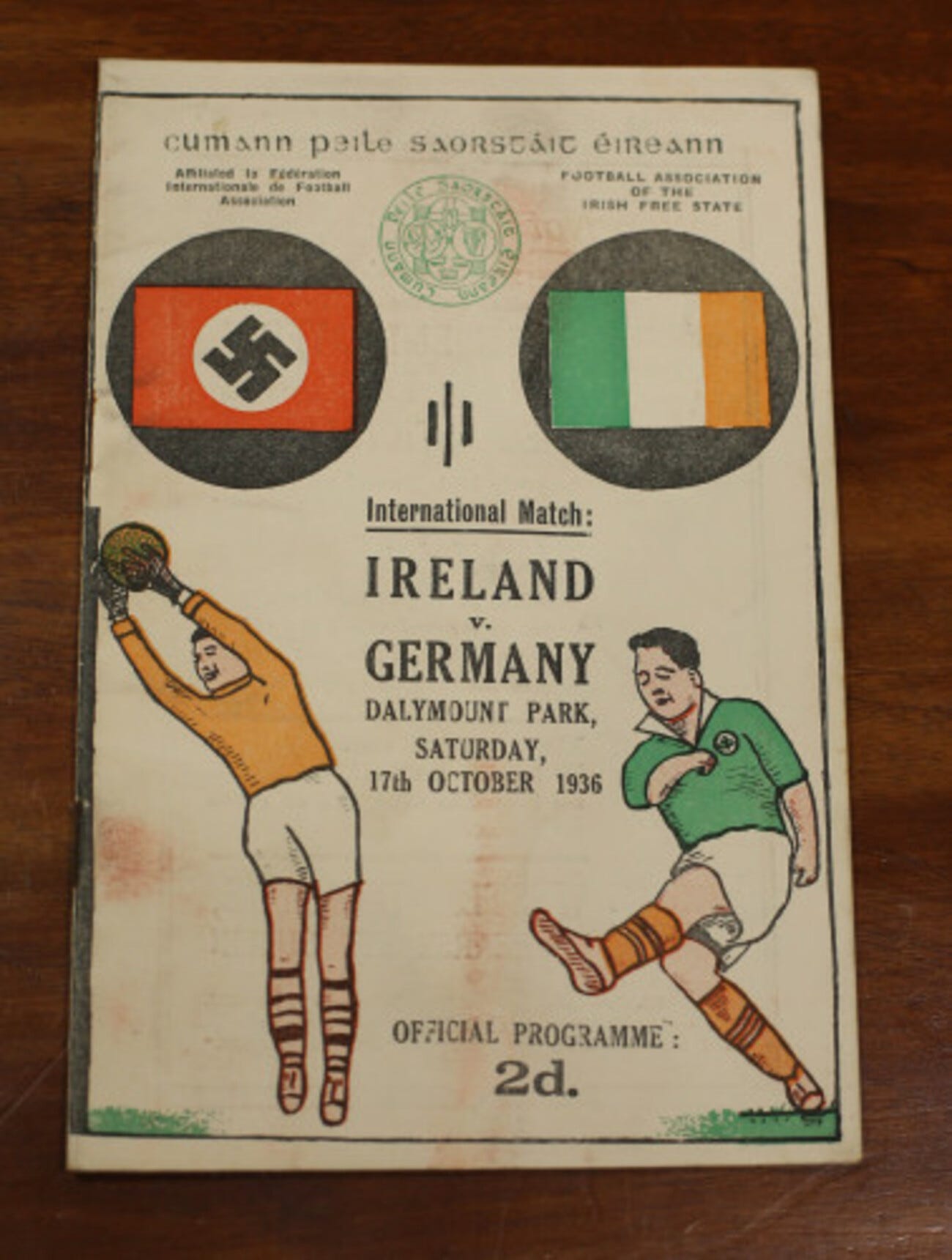
It has deep cultural significance, having grown organically within its surrounding community, where local streets, pubs, and generations of supporters helped shape a distinctive match day atmosphere and strong neighbourhood identity.
This sense of place is closely tied to the identity of Bohemian FC, one of the world’s oldest fan-owned clubs, whose supporters are deeply involved in club governance and culture.
In recent years, the club and its community around Dalymount have become known for progressive social initiatives, including anti-discrimination work, refugee support, and projects that link football with music and activism, reinforcing the stadium’s role as both a sporting and cultural landmark.
Sportwashing Before the Term Existed.
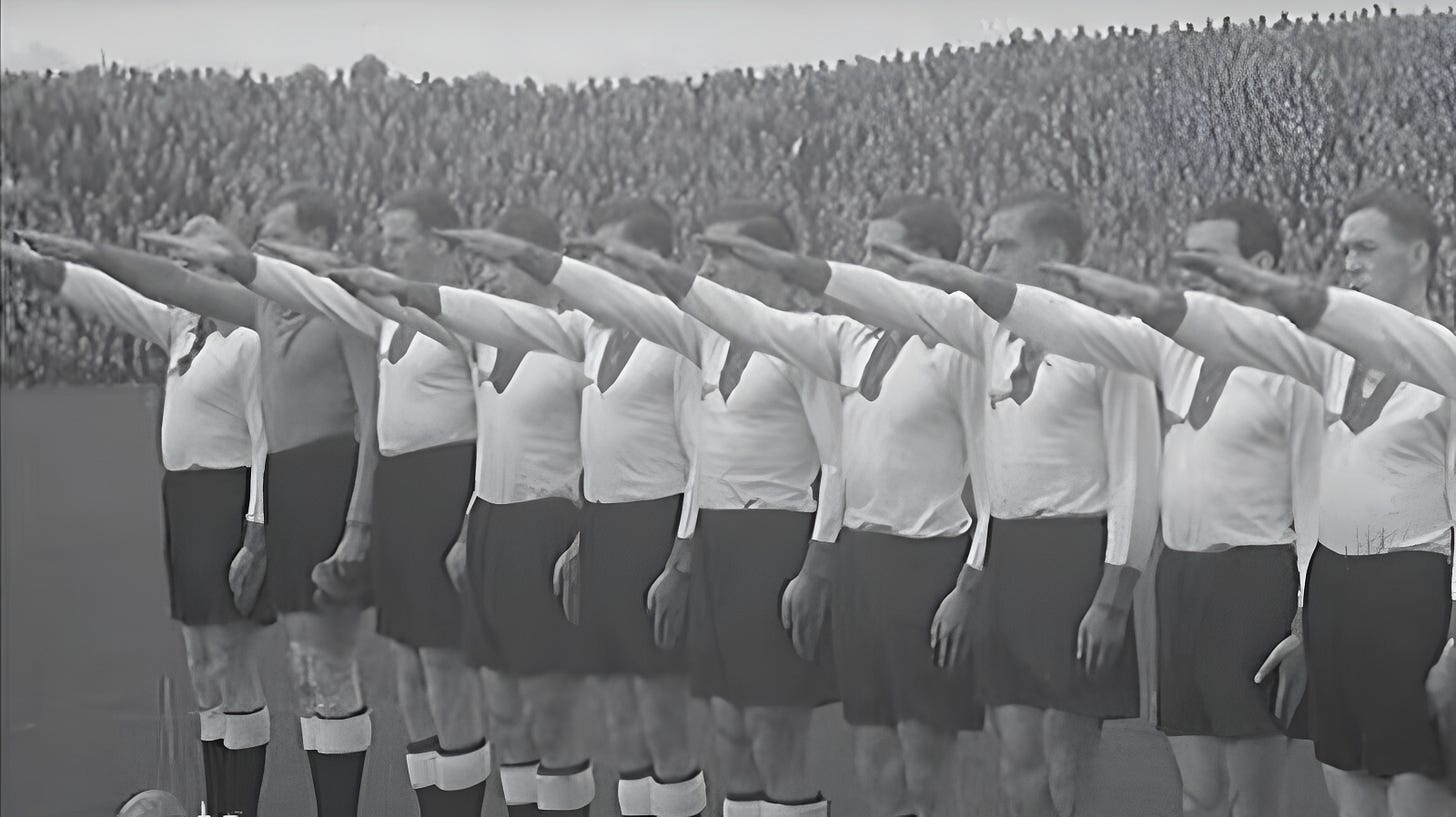
Ireland won that 1936 football match 5–2, leading to strong celebrations from supporters. After the final whistle, some Irish fans briefly stormed the pitch and, according to The Irish Times, raised their arms in a Nazi-style salute while cheering the German visitors. The gesture was later described by a German official as “sportsmanlike”…
The German team, who wore swastika- emblazoned kits, were treated hospitably in Dublin, including attendance at a gala dinner hosted at the Gresham Hotel with senior Irish political figures such as Seán MacEntee and Oscar Traynor.
Ireland’s engagement with Germany was not unusual by the standards of the period. Many European states continued normal diplomatic, sporting and commercial relations with Hitler’s regime throughout the 1930s, despite growing international concern over repression and anti-Semitic policy.
Ethnic Cleansing On and Off the Pitch.
After 1933, Jewish football in Germany and the annexed territories was systematically dismantled under Nazi rule, with Jewish clubs and players excluded from mainstream competition and many organisations forcibly disbanded. Prominent clubs such as Hakoah Vienna — once internationally famous in the 1920s—were destroyed, their property confiscated, and their members persecuted.
Bar Kochba Berlin – one of the largest Jewish sports clubs in Germany, which fielded football teams and other sports sections, was banned and dissolved under Nazi policy. After exclusion from the national system, Jewish athletes were briefly pushed into separate “Jewish-only” competitions, but these too were progressively restricted and ultimately dismantled.
By the mid-1930s, football had become deeply entangled with Nazi ideology and propaganda, with sport increasingly used as a tool of political spectacle and control. By 1935, stadium rituals such as mass salutes, anthem ceremonies and the display of swastika flags had become standardised features of German public life.
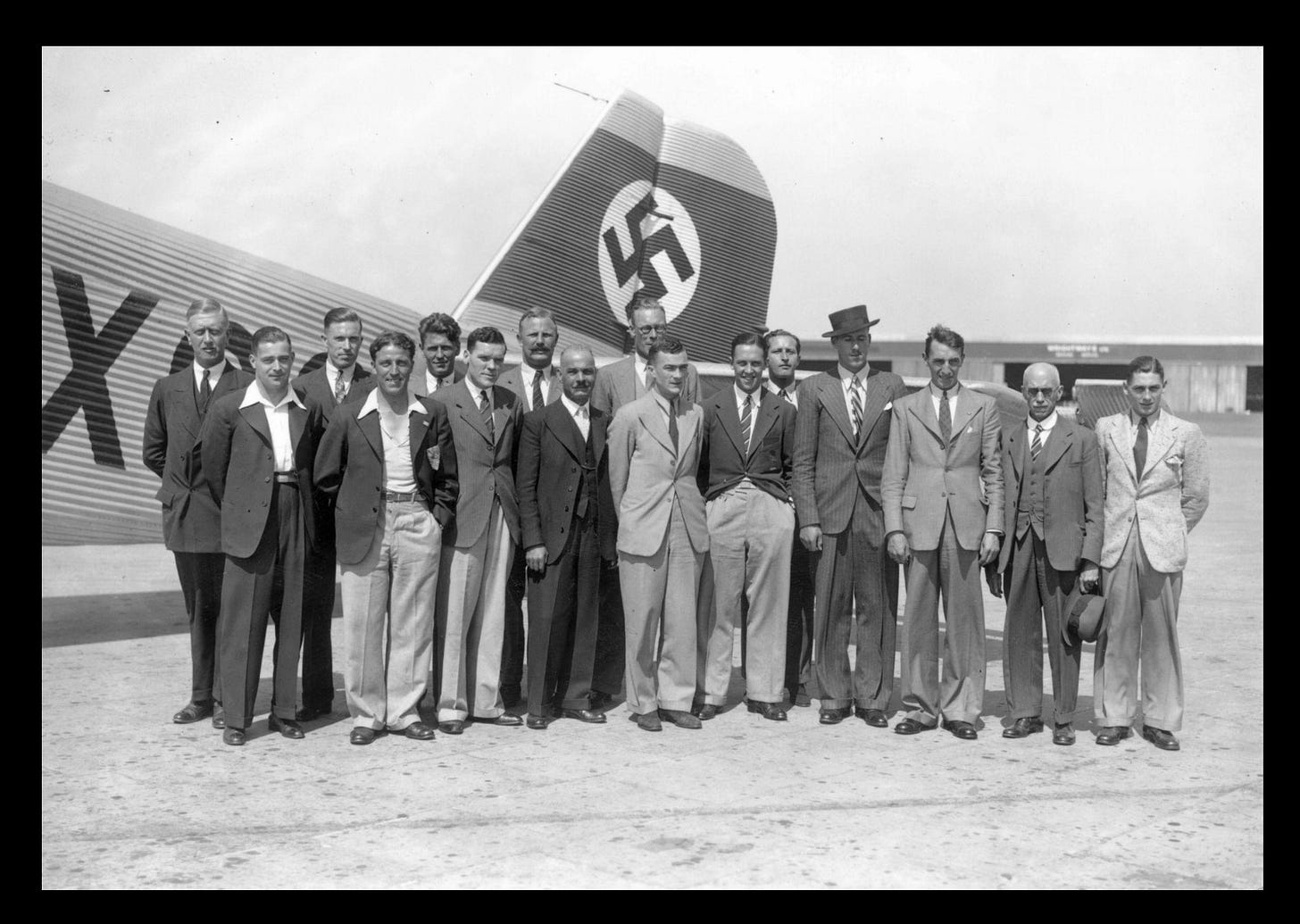
What, then, did Irish football officials and supporters know about conditions inside Nazi Germany before extending such a controversial invitation? Reports of political repression, arrests, violence against opponents of the regime and the anti-Semitic Nuremberg Laws were already widely available in the international press. Concentration camps for political prisoners had existed since 1933.
The Irish Times on the Nuremberg Laws (1935)
“New legislation in Germany imposes restrictions affecting Jewish citizens in public and professional life.”
Irish Independent on the Nuremberg Laws (1935)
“Harsh anti-Jewish laws enacted in Germany under Nazi policy.”
Did Irish football authorities dismiss those warnings as exaggerated? Did they believe that sport should remain separate from politics? Or did they not care enough to ask difficult questions? This historical episode at Dalymount in 1936 has acquired renewed relevance amid contemporary debates over sport, politics and international legitimacy.
Neither the 1936 Germany–Ireland match, nor the Ireland–Israel fixture was mentioned on the recent (and very engaging) PhizzFest Dalymount history tour that I attended a few weeks ago.
However, during that educational talk, we did hear about the notorious intervention by Catholic Archbishop McQuaid, who attempted—but ultimately failed—to have the Ireland–Yugoslav fixture stopped.
For context, that episode is discussed here: History Ireland article
In recent years, Bohemian FC and sections of its support have adopted explicitly pro-Palestinian positions. Most of them have criticised Israel’s participation in international football fixtures. It wasn’t always so spiteful and sectarian in online Irish football comments.
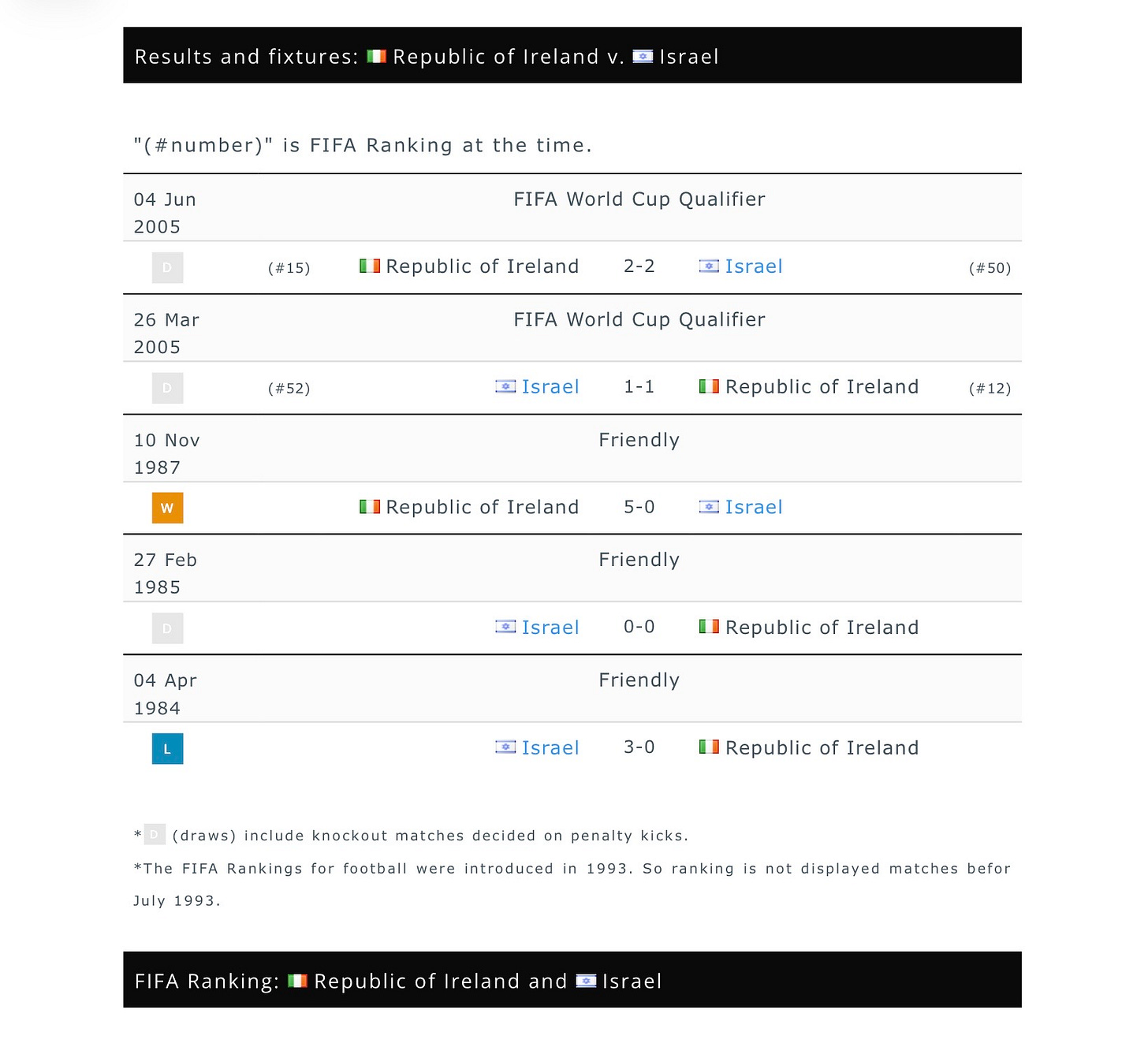
Some footie fans on X / Twitter pointed out to me that there was an Ireland / Israel “friendly” match in 1987, at Dalymount Park. Strangely, it doesn’t appear to be listed on the Irish football history websites that I researched. (They’ve hardly been recently fixture-cleansed, have they?)
In my (non-anorak) research, I missed those quite-hard-to-find details. I promised to do a deeper dive and actually found five Ireland / Israel matches listed on the FIFA website.
For many Jews, historical memory of discrimination and expulsion shapes perceptions of campaigns targeting the Jewish state, even where those campaigns are framed primarily in political or humanitarian terms.
Dalymount is a community-spirited club, but it now needs to publicly acknowledge this past misstep. Will the board offer any “mature reflection” – mea culpa apology in their historical accounts for their unwitting involvement in Nazi sportswashing?