Are American rabbis up for these times?
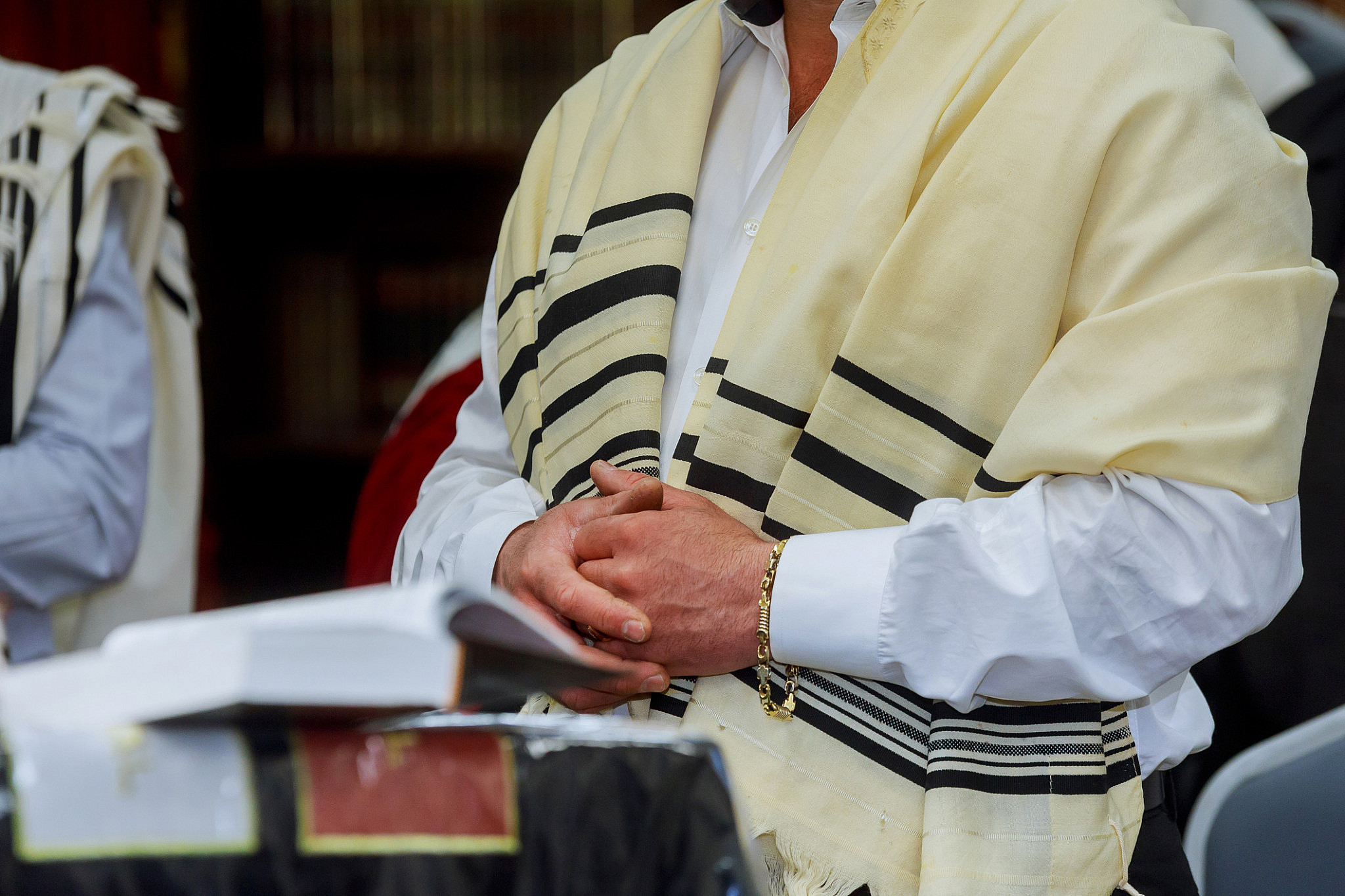
Recently, in these pages and elsewhere, I’ve read many rabbis fretting over whether to take a public stand on what they call political issues. Despite everything that has come to pass, apparently, much of the American rabbinate has an October 6 mentality. The Jewish community is not going back, and I see no future where the anti-Zionists reconcile with the Zionists. The schism has already happened, and it’s not about politics, it’s about the survival of our way of life in the diaspora.
“The Torah commands lo titgodedu, traditionally interpreted to mean, don’t fragment yourselves into factions,” one rabbi wrote, according to JTA. “I fear this happening to Jews. Frankly, I fear it more than I fear an anti-Zionist mayor.”
The factions already exist. As for him fearing an anti-Zionist mayor less, he should ask people from Boulder, Poway, Pittsburgh, Manchester, or any other Jewish community affected by violence what the effect of the rhetorical war on the Jews is and ask those people what they fear more: some synagogue losing members, or a Islamist stirring up more resentment against Jews as mayor of the city that is the center of the world that happens to also happens to be home to the most Jews outside of Israel. What will this rabbi say after the next shooting? At least the Bronfmans didn’t move to the Reconstructionist place down the street?
There is the tale of the fall of the temple stemming from Jewish infighting. So it was. And this was only a tragedy because the temple fell. The two groups weren’t arguing over whether the temple should be destroyed or not.
The function of a rabbi should not be to “hold together” a congregation at all costs. People look to the rabbinate for leadership based on Jewish values, not their “parochial” concerns over the state of their membership or who they’re going to offend. What rabbis are panicking about may result in uncomfortable conversations, but if they want to retain their leadership, they must have those. To put it bluntly, I do not feel their pain. If you don’t like what goes with the job, find another one.
Who am I to judge? Well, I am not a rabbi, but when I was president of my local federation, I faced a lot of pressure and counterpressure on many issues. Some were avoidable, some weren’t. But there was never any question of whether we would support so-called Jewish groups that are hostile to our own. Unlike lay leaders like me, rabbis are especially obligated to make moral and not political decisions.
Some rabbis might choose to sidestep the issue of Zohran Mamdani. Maybe they don’t live in New York City. But, again, the schism these rabbis fear has already occurred. It is already written on the hearts of their congregants. After October 7 and the way the world reacted, there is a bright line separating us. The issue of Zionism will not disappear. The world has made us that promise and is delivering. It will provide a pretext and fuel for the antisemitism flowing throughout the world.
You can either stand with Israel, even if that means being a critic, and stand up against the assault we are under, or you can bury your head in the sand, and try to be one of the “good ones,” but you won’t be able to stand together with both. Trying to keep together Zionists and anti-Zionists in a congregation will not work. Rip off the band-aid.
I don’t want to attend a synagogue where there are anti-Zionists. I don’t want the rabbi speaking at my synagogue to have to pander to them in his speeches in order to keep a few families paying their dues. I imagine the feeling is mutual, and anti-Zionists won’t want to hear anything that isn’t full of gratuitous complaints about Israel, Likudniks, and the IDF.
Enough with the hand-wringing from our ostensible spiritual leaders. Buck up.