


CEO, Sabra Ventures Ranch
Israel: From Short Visit to Volume in History – The Past Became the Present.
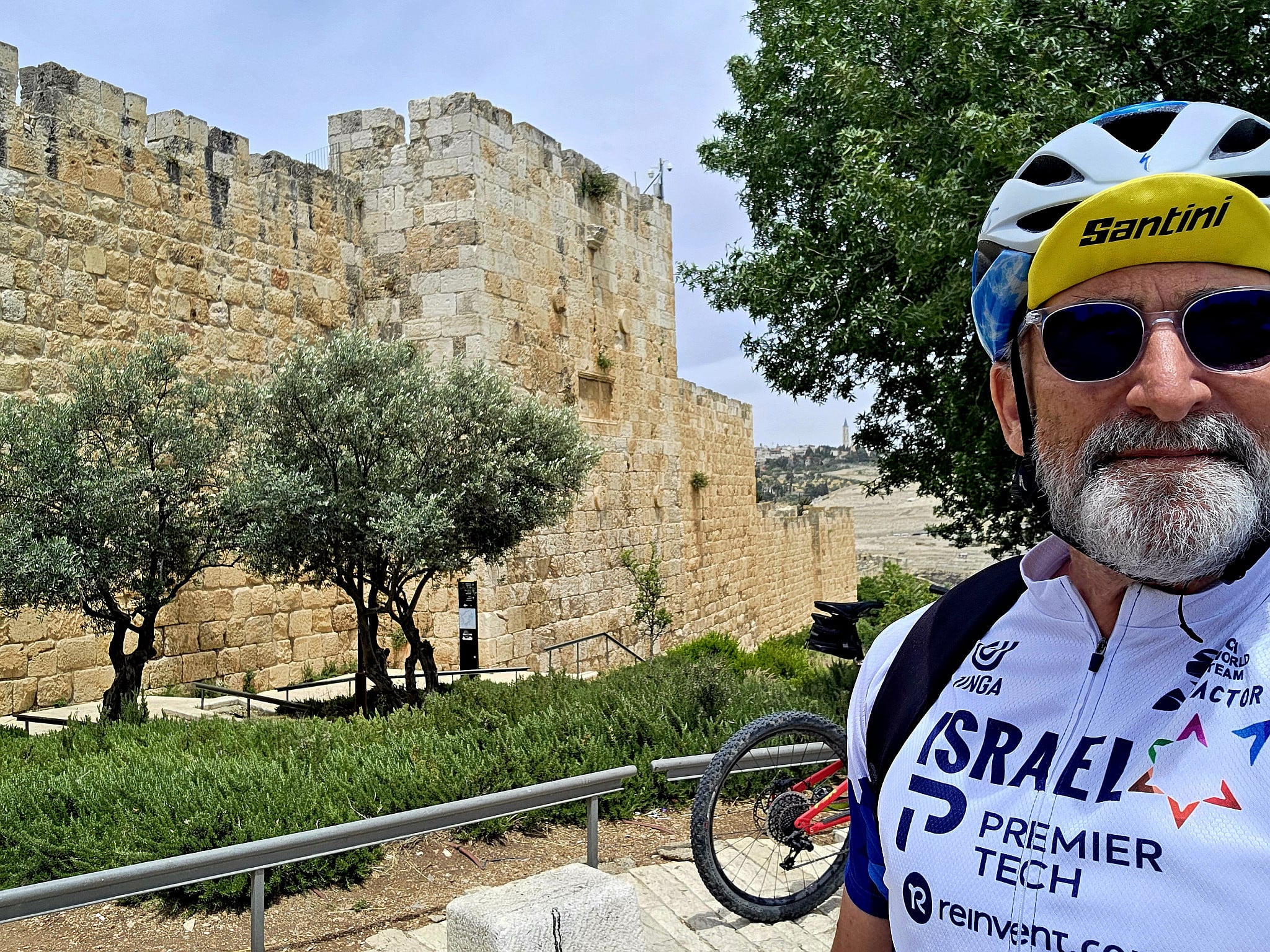
By the end of Pesach, after 39 days, we went from running to bomb shelters to running the Jerusalem Marathon. Workouts, now, feel measured, not so much in kilometers, miles, climbs or cadence as they feel measured more in terms of historical significance.
I came to Israel for a few weeks. The usual stuff — family, business, etc. Then a war happened. And so did history. And here we were. From Purim to Pesach to Shavuot, weeks became months. In Jewish tradition, this is not simply a calendar sequence. It is a journey.
The festivals — the regalim, the pilgrimage moments — are not isolated events but stages of transformation. Between Pesach and Shavuot lies the counting of the Omer, a daily act of reflection meant to move a people from liberation toward responsibility, from survival toward purpose. This year, that ancient rhythm unfolded against something far less timeless: war, uncertainty, and a world shifting beneath our feet.
Living Inside Jewish Time
Purim tells the story of an existential threat emerging from Persia — a moment when Jewish survival hung on courage, clarity, and improbable reversal. This year, the echoes feel uncomfortably literal. History does not feel like memory. It feels present tense.
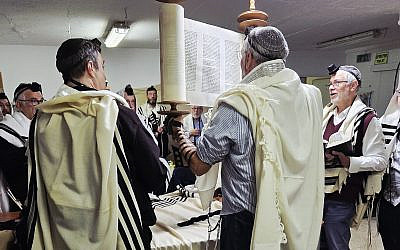
By Pesach, Israel moved through another passage — not from slavery to freedom, but through grief, resilience, and a national insistence on continuity. Families gathered while reservists rotated home between deployments. Children sang ancient songs while sirens and headlines reminded us that Jewish history rarely grants separation between celebration and struggle.
The Omer became something different here. Not symbolic counting, but lived counting — days measured between uncertainty and hope.
And now comes Shavuot, the festival of revelation. Tradition teaches that revelation is not merely receiving wisdom; it is accepting responsibility for one another. In Israel, that responsibility is visible everywhere.
The Paradox of Israel Now
During these months, I witnessed two realities unfolding simultaneously.
Inside Israel: extraordinary innovation, civic mobilization, and a society solving problems at a speed born of necessity. Entrepreneurs, scientists, educators, and soldiers operating within the same ecosystem of urgency and imagination.
Outside Israel: something far more unsettling — a rising global climate that feels increasingly familiar to Jewish memory: rhetoric hardening into suspicion, criticism drifting toward delegitimization, and a tone that carries echoes many hoped belonged only to history books.
The contrast is striking.
Israel today stands at the forefront of technological and innovation leadership, helping shape the future of AI, medicine, agriculture, and security. Yet globally, the narrative surrounding Jews and the Jewish state often moves in the opposite direction — toward simplification, polarization, and exclusion.
It is an eerie paradox: a society building tomorrow while confronting sentiments that seem drawn from pre-Holocaust 1930s Europe.
Leadership in a Time of Compression
What strikes me most is not politics. It’s the people. Taxi drivers debating ethics. Startup founders discussing national responsibility before funding rounds. Families hosting strangers for Shabbat because no one should sit alone during difficult times. Israel compresses life.
Business, family, identity, and history do not live in separate compartments here. They collide daily. Decisions feel heavier because they are never solely professional; they are civilizational.
Across Asia, Latin America, Europe, the United States, and the Middle East, I have observed leadership in many forms. Yet Israel reveals something distinct:
The core dilemmas of leadership are universal — trust, belonging, purpose, legitimacy — but here they are intensified, accelerated, and stripped of distance between decision and consequence.
This is leadership lived under existential pressure.
What the Omer Teaches Now
The journey from Pesach to Shavuot teaches that freedom alone is insufficient. Liberation must mature into responsibility. Perhaps that is the deeper lesson of these months. Jewish history does not move in straight lines. It cycles — threat and renewal, exile and return, uncertainty and creativity.
What feels new is the global compression of those cycles. Technology accelerates everything: innovation, outrage, solidarity, and hostility alike. We are living through a moment when narratives form faster than understanding. The Omer reminds us that growth requires taking a personal, spiritual inventory — pausing long enough to notice who we are becoming between events.
Leaving, But Not Really Leaving
Next week I return to Texas.
But leaving Israel after moving through Jewish time this way does not feel like departure. It feels like carrying a perspective outward. From Purim’s warning to Pesach’s resilience to Shavuot’s responsibility, these months revealed something essential:
Israel is not only a place. It is a living conversation connecting past and future.
And perhaps the challenge facing Jews — and the world — is whether we learn from that conversation or repeat the parts of history we claim to fear. Jewish tradition calls the festivals regalim — moments when people once walked together toward Jerusalem. Today, the pilgrimage may be different. It may be the journey toward understanding what it means to remain hopeful, innovative, and morally awake in a world that increasingly tests all three.