
Content Creator and Communications student in Israel
Israel Has Spent Decades Protecting Its Parks.The Results Are Worth Exploring.
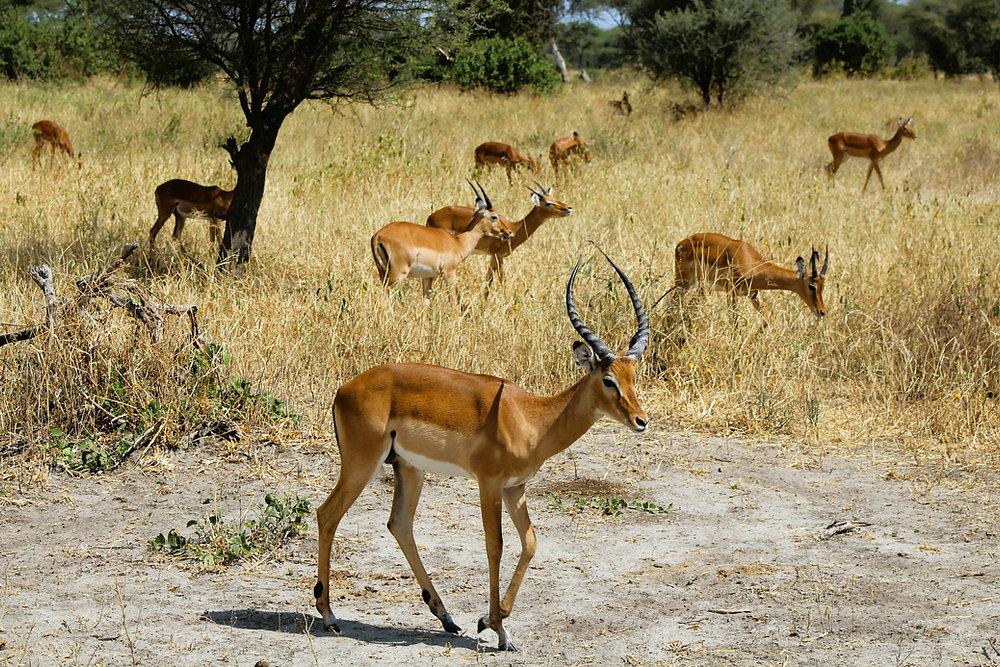
A mountain gazelle at Jerusalem’s Gazelle Valley Park. (Photo: MathKnight / Wikimedia Commons, CC BY-SA 4.0)
In central Jerusalem, gazelles roam freely across 25 hectares of protected green space. Elsewhere in Israel, former quarries are being transformed into wetlands, birdwatching areas and public parks. These places result from decades of conservation efforts, and today they offer people opportunities to get outside and experience the nature preserved for them.
According to Israel’s 2026 Seventh National Report on Biodiversity, published by the Ministry of Environmental Protection, approximately 24.2% of the country’s land is protected through national parks and nature reserves. Between 2020 and 2025 alone, Israel declared 43 new nature reserves and 20 national parks.
With so many destinations available, knowing where to go, what to look for and how to plan a visit isn’t always straightforward. Fortunately, a few simple steps can make exploring Israel’s natural spaces easier.
Finding nature closer to home
One of the easiest ways to experience Israel’s natural beauty is to start close to home. While national parks often bring to mind long hikes and remote landscapes, some of the country’s most interesting conservation projects are located within cities.
Jerusalem’s Gazelle Valley offers one example. Just minutes from the city’s busy streets, the 25-hectare park provides a protected habitat for wild gazelles. Over nine years, conservation efforts have helped its population grow from 30 to 100, allowing visitors to observe wildlife without leaving the city.
Start by checking your municipality’s website for parks, urban nature sites and local walking trails. According to the national report, 85 local authorities have completed urban nature surveys, helping identify natural areas worth preserving.
Choosing the right outdoor experience
Not every outdoor adventure needs to look the same. Some people enjoy challenging hikes, while others prefer watching wildlife, walking along a short trail or enjoying a picnic.
The Israel Nature and Parks Authority website is a useful starting point for researching destinations. Visitors can look up parks and reserves, check available trails, review entrance fees and find information about accessibility and visitor facilities.
Rather than choosing a destination based on scenery alone, compare two or three options according to their activities, travel time and facilities. Nature reserves and birdwatching areas may appeal to wildlife enthusiasts, while shorter walking routes and shaded picnic areas offer more relaxed outings.
Planning ahead makes a difference
A successful trip into nature often comes down to a little preparation.
Before leaving, check the destination’s official website for opening hours, entrance fees, reservation requirements and temporary closures. Some protected areas have restricted access to safeguard sensitive wildlife.
Israel’s climate can make outdoor activities challenging, particularly on trails with limited shade. Check the weather forecast, bring sufficient water and choose an appropriate route. Visitors should also consider trail length, terrain and accessibility, especially when traveling with children or people with limited mobility.
Exploring Israel’s natural spaces also comes with a responsibility to preserve them. Staying on marked trails, taking litter home and respecting wildlife are simple ways visitors can help protect these environments.
Making the most of what’s already here
Israel has spent decades protecting its natural landscapes, and today, those efforts offer countless opportunities to get outside and explore.
Experiencing them doesn’t have to mean planning an elaborate trip. It could be a weekend exploring a national park, an afternoon watching gazelles in Jerusalem or simply discovering a nature reserve you’ve never visited before.
For anyone looking to spend more time outdoors, the first step is simple: find a nearby park or reserve, check the visitor information and make plans to go.
At the end of the day, the numbers tell the story of what Israel has protected. The parks themselves tell the rest.
Sources and visitor resources:
- Israeli Ministry of Environmental Protection, Seventh National Report on Biodiversity (2026), pp. 2, 13–14, 92–93.
- Israel Nature and Parks Authority — parks.org.il.
Related Topics
Related Posts