


Israel hasn’t lost America – not even the Democrats
When the B’Yachad party’s No. 2, Yair Lapid, declared last week that America isn’t lost to Israel, many Israelis were surely skeptical. What about surging anti-Israel rhetoric and the unprecedented number of anti-Zionist Democrats who reject Israel’s identity as a Jewish State or constantly accuse it of genocide? What about the more traditionally antisemitic wing of the Republican Party, which Vice President JD Vance continues to court? And what about incoming “liberal Zionist” Democratic Congressman Brad Lander’s dismissive response to Lapid, rejecting a “barnstorming” tour in favor of human rights grandstanding?
But look beyond the campaign hoopla, and one finds a more promising picture, ripe with opportunities for repair. Lapid’s basic diagnosis is right: the bilateral relationship is on the rocks but far from lost.
Consider orientations toward Israel in the next Congress and one sees quickly that the likes of Brad Lander, let alone extremists such as Darializa Chevalier, who attended a celebratory rally on October 8, 2023, remain a distinctly small group in the broadened Democratic coalition.
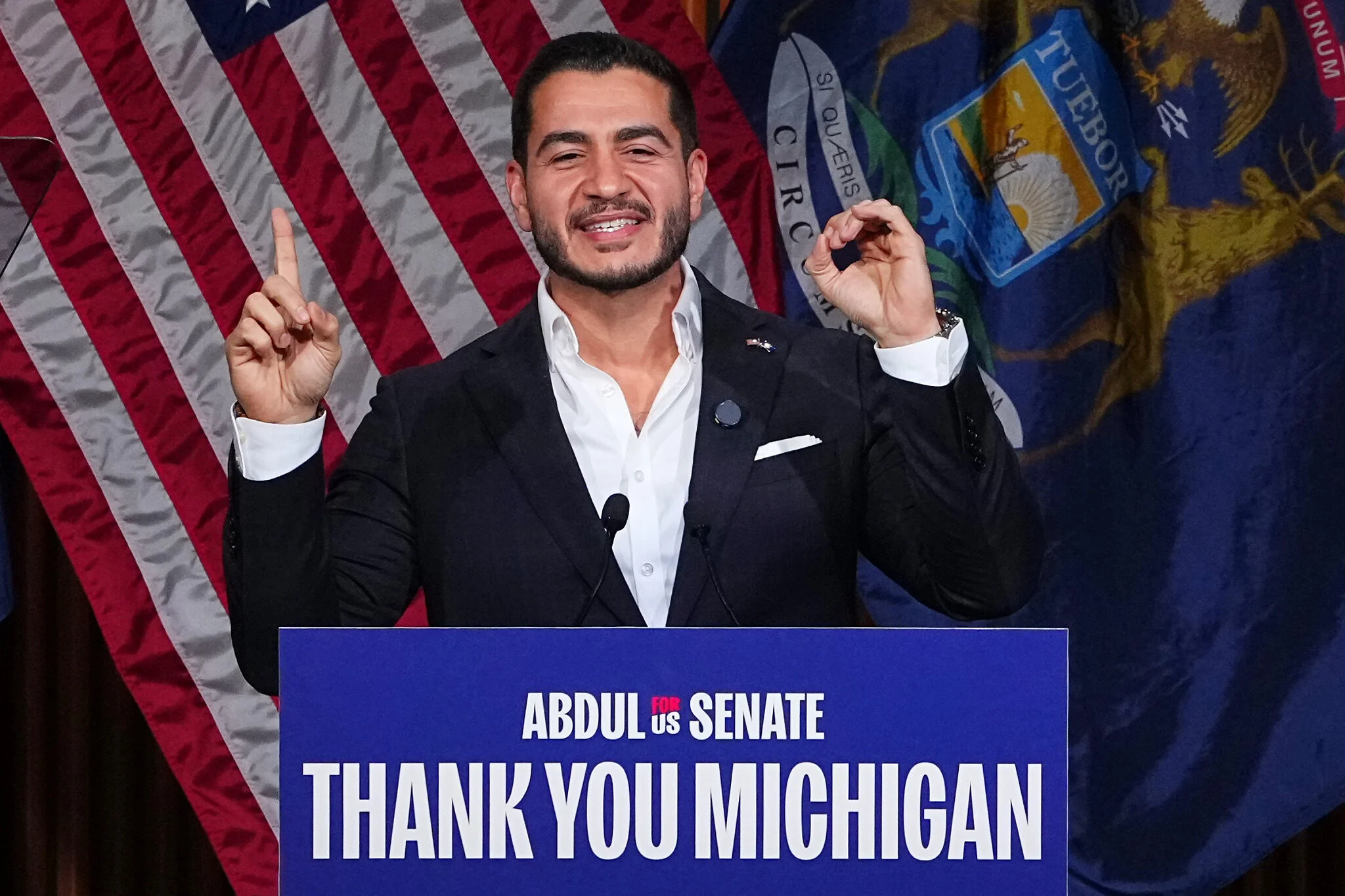
In the next Senate, which will likely seat 56 Democrats, Abdul El-Sayed will remain the sole anti-Zionist member – the only one, out of 100, who rejects Israel’s existence as a Jewish state. In the House of Representatives, which will likely have about 260 Democrats, four are professed anti-Zionists – less than 1 percent of the House’s 435 total members.
Using broader definitions to identify those in Congress who could be construed as “lost” to Israel still yields very small minorities in the new Congress. Current and former affiliates of the Democratic Socialists of America (DSA), which espouses clear anti-Zionism, will number approximately 12 in the incoming House, less than 5% of all Democrats in the chamber. There are zero DSA members in the new Senate.
An AI-assisted review of representatives’ and senators’ webpages and campaign releases identified approximately 40 in the House and six to seven in the Senate who have publicly accused Israel of genocide in Gaza or insinuated it has committed one. Even using this dubiously expansive definition of those “lost to Israel,” those qualifying amount to around 15% of Congressional Democrats and well under 10% of the two chambers overall.
Of course, many other Democrats, and some Republicans, have criticized Israel in harsh terms and supported embargoes on arms sales and military aid. Support from AIPAC became toxic in many races this cycle, with the percentage of House Democrats receiving direct or indirect donations from the lobby declining dramatically since 2022. These changes reflect widespread belief in the US that Israel’s campaign in Gaza crossed humanitarian red lines and outrage over policy and tolerance of extremist Jewish vigilantism and terror in the West Bank. Israel should take these trends seriously in its diplomatic posture and, to the extent Israeli security permits, in its policy.
But moves to make aid conditional and freeze out AIPAC, however objectionable to Israelis, do not signify abandonment of Israel altogether. The great majority of American politicians who have taken these steps reject fringe left stances on Israel. Indeed, former Democratic House Speaker Nancy Pelosi recently declared the rejection of Israel’s right to exist as a Jewish State “more than concerning…wrong” and asserted, correctly, that such views remain well outside the Democratic Party’s mainstream.
To be fair, Lander is probably right that the time is not yet ripe for “barnstorming,” even by center-left Israeli politicians in the opposition bloc. No political party wishes to dwell publicly on issues that divide its coalition. A listening tour would put the many Democrats who want better relations with Israel in a difficult spot. Some would be wary of appearing receptive to Israeli “hasbara” while the political situation in Israel, and Benjamin Netanyahu’s grip on power, remain unclear.
But the calculus for many Democrats would change dramatically if the opposition bloc is able to cobble together a governing coalition that excludes right-wing extremists such as Ben-Gvir and Smotrich and is led by someone other than Bibi.
Under those conditions, representatives of the new government, such as Lapid, could be well received as leaders of a government that will take a meaningfully different direction on issues such as settler violence in the West Bank and as potential partners in a renewed, and healthier, bilateral relationship.