


Unapologetically Explaining Israel and Sharing the Jewish Light.
Israel is Not a White Colonial Project!
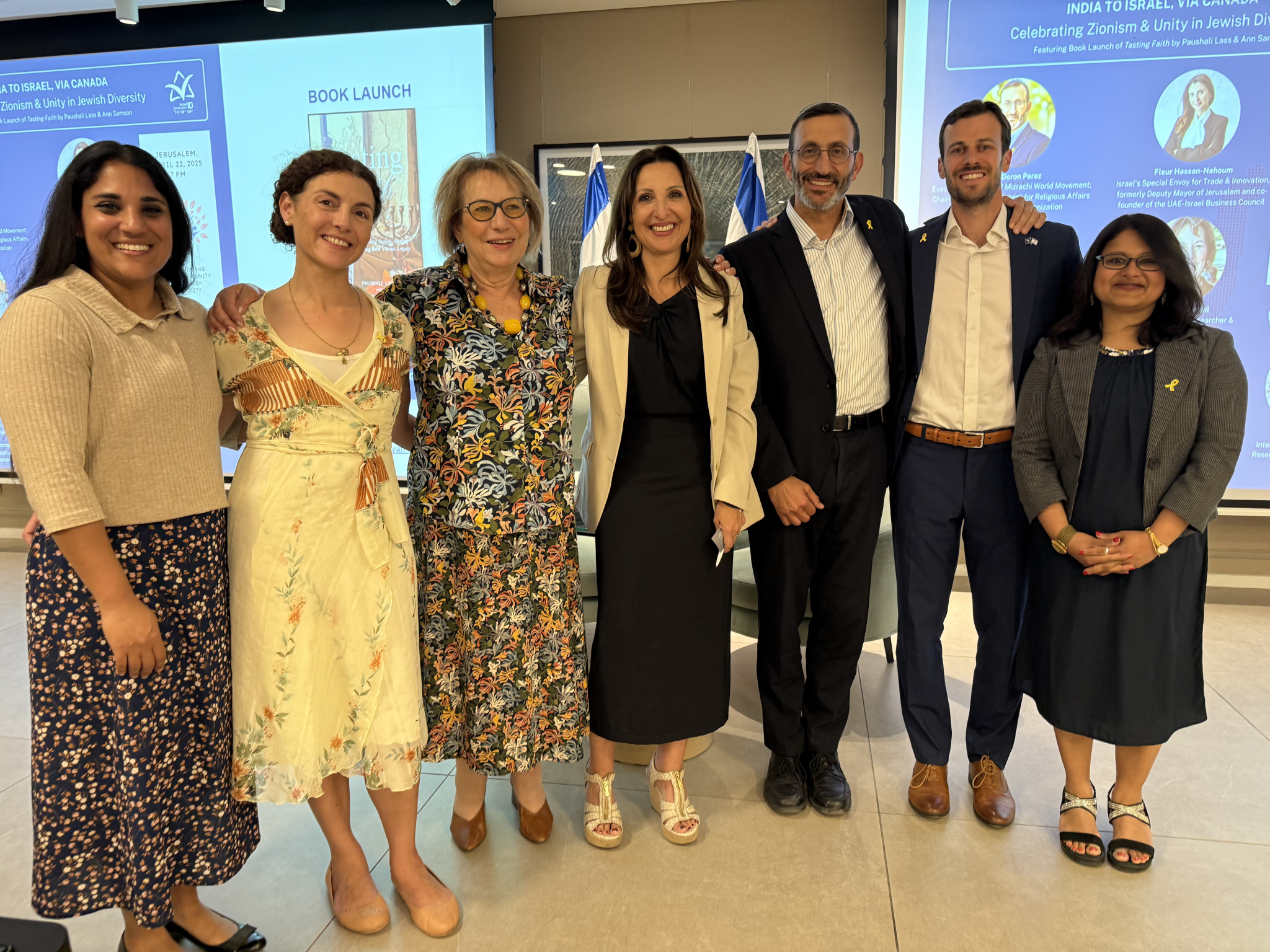
Voices of Jewish Unity at the 'Celebrating Zionism and Unity in Jewish Diversity' Exclusive Event in Jerusalem, April 2025. From left to right: Ariella Daniels, Sarah Sassoon, Prof. Shalva Weil, Fleur Hassan-Nahoum, Rav. Doron Perez, Yair Jablinowitz and Paushali Lass.
Photo: Amanda Geismann
The Essential Role of Diverse Jewish Voices in the Battle Against Antisemitism
In the wake of the devastating Hamas attack on Israel on October 7th, 2023, and the subsequent surge in global antisemitism, it has never been more crucial to amplify the message of Jewish diversity. As we continue to fight against hatred and prejudice, it’s essential to highlight the diversity of the Jewish diaspora experience, including communities that remain less familiar to both Jews and non-Jews alike.
As a German citizen, originally from India and actively combating antisemitism on the streets of Germany, I want to bring attention to a lesser-known but integral part of the Jewish story – the Jews of India. In today’s world of exploding antisemitism and hateful slogans like “Jews, go back to Poland” being commonly heard from Melbourne to Berlin, the story of the ‘Jews of the East’ is more important than ever. Jews of India should not be viewed in isolation, as their history is deeply interconnected with the Jewish communities of Iraq, Yemen, and Syria among others.
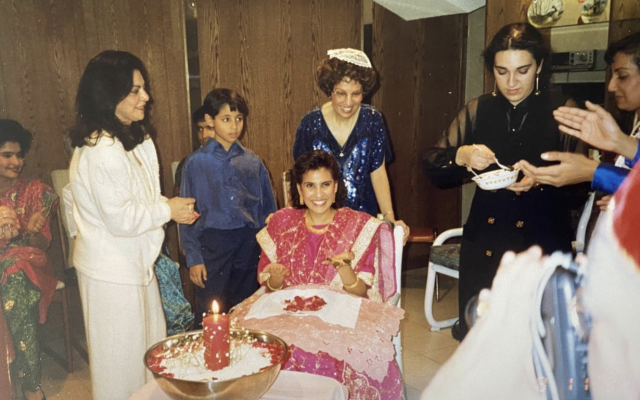
India, remarkably, was a place where Jews lived for generations without any notable antisemitism, providing a rare example of peaceful coexistence. For the Jews of India, their emigration to Israel was not driven by persecution, but by their deep and enduring connection to their ancestral homeland. This is one of the themes that my co-author Ann Samson, a remarkably resilient Indian-born Jewish lady living in Canada, and I have highlighted in our new book Tasting Faith. Ann (83), who moved to Canada after completing her education in India in the late 1960s, faced significant challenges being accepted by North American Jewish communities due to the unfamiliarity of Indian Jewish traditions. They were largely unaware of the existence of Indian Jews. Ann’s early years in Canada were fraught with challenges – moments of rejection, exclusion, and a struggle to prove her Jewish identity. These testing experiences had led her to become a strong advocate for the acceptance of the Jews of India by other Jewish communities both in North America and Israel.
Analysis and Recommendations for Jewish Education Post-October 7th, 2023
Since the surge of antisemitic hate parades around the world, we have seen some pro-Israel social media content creators highlight the diverse stories and appearances of Jewish people. However, many of these narratives, particularly those of non-European Jewish groups, are still underrepresented in Jewish education, particularly in North America and Europe. Pre-October 7th, it was even less and this oversight contributes to harmful stereotypes and false narratives, such as portraying Jews as “white” or Israel as a “European colonialist outpost.” Based on observations of mainstream Jewish education in North America and the Western world, here are some key challenges we’ve discovered as well as some of my recommendations for bringing about a sustainable change.
Key Challenges
- Lack of Awareness of Jewish Diversity
Mainstream Jewish education often focuses on Ashkenazi Jews, marginalizing Sephardi, Mizrahi, Ethiopian, Indian, and other Jewish communities. This Eurocentric view perpetuates misconceptions about Jewish identity and reinforces harmful stereotypes, particularly the idea of Jews as “white colonizers” in Israel. - Erasure of Non-European Jewish Histories
The histories of Jewish communities in India, China, Africa, and South America are rarely taught. This omission distorts the global Jewish narrative and ignores the resilience of Jewish communities in regions outside of Europe. Every time, I talk to people in Germany (in the Jewish or non-Jewish pro-Israel scene) about the Jews of India, they stare at me blank or with a look of “who cares”. - Post-Holocaust Identity Perceptions
While the Holocaust is a central aspect of Jewish identity, it often leads to the erasure of Jewish histories in regions that were not directly affected by it, such as the expulsion of Jews from Arab lands or the persecution of Jews in Iberia and Persia. I haven’t come across too many Jews living in Germany who know much about the Farhud Pogrom of 1941, for example.
Recommendations for Change
- Incorporate the Histories of Diverse Jewish Communities
Jewish education should expand to include the histories and contributions of Sephardi, Mizrahi, Ethiopian, Indian, and other Jewish groups. Highlighting shared traditions across communities can also reinforce Jewish unity. - Address Stereotypes and Combat Misinformation
Schools should implement interactive learning tools and media literacy programs to debunk harmful myths about Israel being an “European colonial outpost” and equip students with the knowledge about Jews who do not necessarily look like them but are as Jewish as them. - Celebrate Jewish Diversity Through Cultural Programs
Cultural festivals and events, such as food fairs and art showcases, can bring greater visibility to lesser-known Jewish communities. The idea that a spicy pakora (Indian fritters) is as Jewish as gefilte fish may well be novel for many in Canada or Germany, but will hopefully spark new conversations and curiosity. Inviting guest speakers from these communities will add authentic perspectives to the narrative. - Promote Advocacy
Jewish education should teach students to challenge misinformation, counter stereotypes, and advocate for Jewish history and identity both online and offline. Highlighting inspirational figures like Ann Samson can also empower students to engage with and preserve their diverse heritage. I truly appreciate the efforts in Germany, where Jewish communities and pro-Israel Christian organizations invest significantly in ensuring that the Holocaust’s history is not forgotten, often by bringing survivors into schools to share their experiences. It would also be very valuable to see more initiatives that invite guests who have lived through non-European Jewish experiences, enriching students’ understanding of Jewish history from a broader perspective..
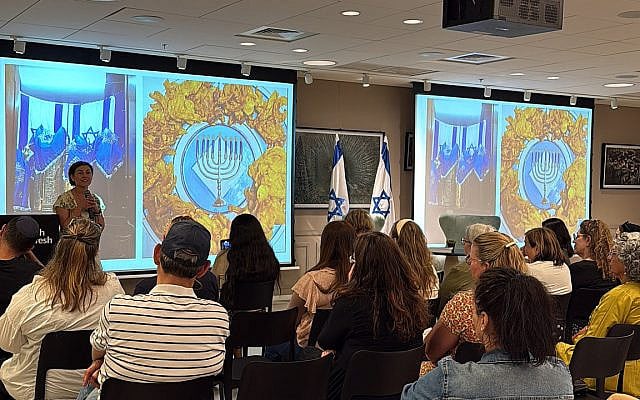
By reshaping Jewish education to include a broader, more inclusive narrative, we can better equip future generations to combat antisemitism and ensure the richness of the Jewish story is fully recognized. The Jews of India, like so many other Jewish communities, contribute to the global mosaic of Jewish identity. Their stories, their food, and their traditions are not just important – they are essential to understanding the full breadth of Jewish heritage, and be proud of it.