
Israel & Lebanon Extend Ceasefire — A Triumph of Trump’s Diplomacy
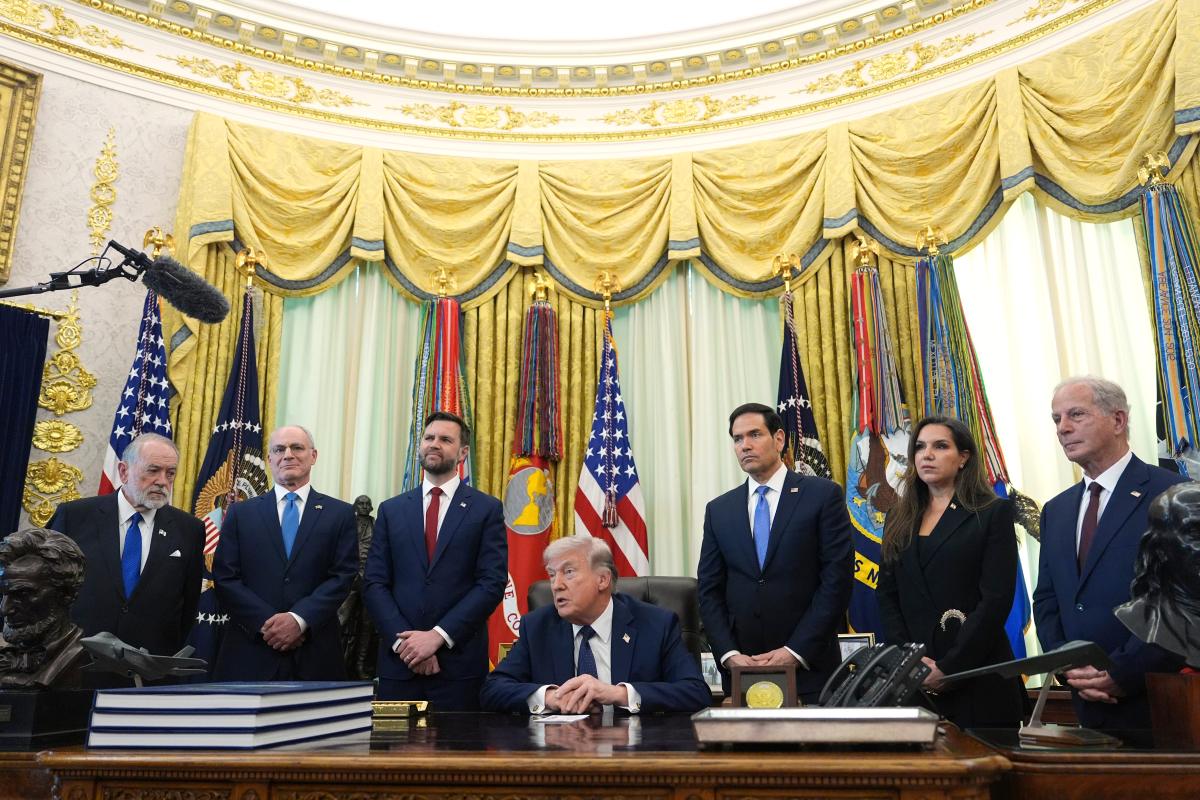
In a remarkable act of diplomacy and cooperation, Israel and Lebanon have agreed to extend their ceasefire by three weeks, which is a big win for peace and stability in a region that has seen its fair share of conflict. Initially, this truce began as a short 10-day agreement on April 16, 2026, but it has now been thoughtfully extended until about May 17, 2026, following fruitful ambassador-level discussions that took place at the White House on April 23.
With President Donald J. Trump at the helm, this achievement really showcases how committed American diplomacy can take fragile pauses and turn them into meaningful chances for reconciliation. This step is part of wider regional efforts aimed at reducing tensions, offering fresh hope to the people of Israel, Lebanon, and the broader Middle East.
???? "The Meeting went very well! The United States is going to work with Lebanon in order to help it protect itself from Hezbollah. The Ceasefire between Israel and Lebanon will be extended by THREE WEEKS." – President Donald J. Trump ???????? pic.twitter.com/OUyewZJKmT
— The White House (@WhiteHouse) April 23, 2026
By prolonging the truce, Israel and Lebanon are demonstrating their commitment to protecting civilian lives, encouraging economic recovery, and fostering trust. Analysts and regional watchers are celebrating this as a “landmark moment” — a testament to the power of diplomacy when it’s backed by strong US engagement.
The ceasefire has already shown its worth by cutting down on hostilities and opening up opportunities for meaningful dialogue. By choosing to extend it, Israel and Lebanon are demonstrating their commitment to safeguarding civilian lives, promoting economic recovery, and building trust between each other. This isn’t just a temporary break—it’s a strategic move that provides the necessary time for more in-depth discussions on security, border matters, and long-term stability.
President Trump shared his thoughts on Truth Social and directly with reporters:
“The Ceasefire between Israel and Lebanon will be extended by THREE WEEKS… The meeting went very well! We had a great meeting with the very high officials of Lebanon and the very high officials of Israel. They’ve agreed to an additional three weeks of no firing—ceasefire—no more firing. We hope that happens. We will work with Lebanon to help it protect itself from Hezbollah. This is going to be a wonderful thing to get this worked out!”
He also expressed warm optimism about future progress, noting that Israeli Prime Minister Benjamin Netanyahu and Lebanese President Joseph Aoun could meet at the White House during the extended period. He emphasized that the ceasefire allows Israel to continue defending itself if needed, while encouraging Lebanon to take positive steps toward full sovereignty. His message was one of hope, strength, and partnership—exactly the kind of clear, results-oriented leadership the region has long needed.
Israel's Ambassador to the United States @yechielleiter: "We hope that together, under your leadership, we can formalize peace between Israel and Lebanon in the very near future." pic.twitter.com/BIkUphdzcN
— Rapid Response 47 (@RapidResponse47) April 23, 2026
The extension creates breathing space for two nations that have spent years trapped in cycles of suspicion, military escalation, and economic strain. For civilians living under the shadow of conflict, every additional day without shelling or cross-border fire matters. For businesses, investors, and families, stability—even temporary stability—can begin restoring confidence that conflict had long eroded.
???????? @VP Vance speaks on the Israel-Lebanon ceasefire extension — a historic moment.
"Of course it wouldn't have happened without the President's direct engagement." pic.twitter.com/inYTsjMvMC
— The White House (@WhiteHouse) April 23, 2026
The credit for this major breakthrough largely goes to the American mediation led directly by President Donald Trump. He was hands-on throughout the process, personally overseeing and advocating for the negotiations. His leadership was described by those involved as “energizing and decisive,” which was vital in steering the talks toward a successful outcome. Trump’s team, including senior advisors from the White House, made sure the discussions were focused on practical results instead of getting stuck in endless debates.
What a historic moment to witness @POTUS @WhiteHouse move forward a peace process btwn @Israel & Lebanon. The problem is Hezbollah not Israel or Lebanon. @realDonaldTrump is delivering! pic.twitter.com/q2ZBZilmsU
— Ambassador Mike Huckabee (@GovMikeHuckabee) April 23, 2026
This extension stands as a powerful reminder of what can happen when leaders opt for dialogue instead of division. For Israel, the agreement offers a chance to strengthen security while steering clear of another expensive escalation. For Lebanon, it presents an opportunity to concentrate on sovereignty, economic recovery, and the tough task of establishing state authority over armed non-state actors. Both sides walk away with something important: time. And in the world of diplomacy, time is often the key ingredient needed to transform fragile pauses into lasting agreements.
The broader region stands to gain as well. With reduced tensions along the Israel-Lebanon border, the chances of a wider conflict involving regional militias and foreign powers decrease. Maritime trade routes, which are already feeling the strain from instability in other areas, might find a bit of reassurance. International markets usually react positively when the Middle East steps back from the brink of confrontation.
However, it’s important to stay realistic. Three weeks of calm doesn’t equal peace; it’s merely a chance for progress. Issues like border disputes, security guarantees, Hezbollah’s terror influence, and deep-seated mistrust are still on the table. Diplomacy doesn’t happen overnight; it’s a gradual process that builds confidence through small, steady steps. This extension is one of those small victories.
If handled wisely, the next few weeks could pave the way for direct political engagement at a higher level, maybe even leadership meetings that once seemed out of reach. That alone would be a significant milestone. The challenge now is to transform this moment of quiet into a lasting framework.
For now, the world should acknowledge the importance of what has occurred. In a time of stark divisions, Israel and Lebanon have chosen to exercise restraint rather than retaliate, and the United States has played a key role in facilitating that. It’s a reminder that even in the most challenging conflicts, peace often begins with practical steps rather than grand treaties.